






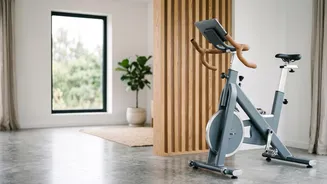

The Gentle hum of Zone 2
Forget punishing sprints and gasping for air. Zone 2 cardio is defined by moderate, steady effort. It’s the level of intensity where your heart rate is elevated to roughly 60-70% of your maximum, but you can still comfortably hold a conversation. Think
of it as a brisk walk up a slight incline or a relaxed, steady bike ride where you can chat with a friend or listen to a podcast without feeling breathless. This conversational pace is the magic indicator that your body is in an optimal state for building endurance without the high stress of more intense workouts.
Building a Better Cellular Engine
The primary benefit of training in Zone 2 lies deep within your cells, in tiny powerhouses called mitochondria. Regular Zone 2 exercise encourages your body to build more of these and makes them more efficient. For a desk worker, this translates to more than just athletic performance; it means better all-day energy. By improving your body's ability to generate energy aerobically (with oxygen), you build a robust foundation that helps fight off that midafternoon slump and improves your ability to recover, not just from workouts, but from daily stressors.
Become a Fat-Burning Machine
High-intensity workouts are great, but they primarily burn through readily available carbohydrates (glycogen) for quick energy. Zone 2, on the other hand, teaches your body to become more efficient at using fat as its main fuel source. Because the intensity is low and steady, your body has time to tap into its fat stores for a slow, sustained energy burn. This is fantastic for long-term metabolic health and can aid in weight management without the extreme hunger spikes that can sometimes follow a grueling high-intensity session.
The Antidote to Gym Burnout
Many people quit their fitness routines because they become a source of stress rather than relief. The pressure to always go harder can lead to mental fatigue, persistent soreness, and overtraining. Low-intensity cycling is different. It's restorative. Instead of jacking up stress hormones like cortisol, a gentle Zone 2 session can actually help lower them. It’s a form of active recovery that promotes blood flow and reduces muscle soreness, making it a sustainable practice you can perform several times a week without feeling wrecked.
How to Get Started with Zone 2 Cycling
Getting started is simple. You can use a stationary bike at home or the gym, or take a bike outside. First, estimate your max heart rate with the common formula: 220 minus your age. Your Zone 2 range is 60-70% of that number. For example, a 40-year-old would have an estimated max heart rate of 180, making their Zone 2 range about 108-126 beats per minute. However, the easiest way to gauge your effort without technology is the 'talk test'. Can you speak in full sentences? If so, you're likely in the zone. Aim for two to three sessions per week, gradually building up to at least 150 minutes of total weekly activity.