








What is El Niño and Why Does It Matter?
El Niño, which means "the little boy" in Spanish, is a naturally occurring climate pattern characterised by the unusual warming of surface waters in the central and eastern equatorial Pacific Ocean. This event, which occurs every two to seven years, disrupts
global weather patterns. For India, the connection is critical. Historically, El Niño is strongly linked to a weaker southwest monsoon, the lifeblood of the country's agriculture. With the World Meteorological Organisation (WMO) warning of a rapidly strengthening El Niño from July 2026, concerns over its impact are growing.
The Monsoon Connection
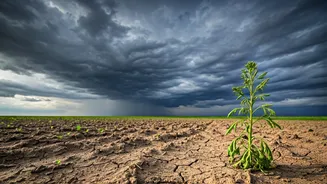
India's economy, particularly its vast agricultural sector, is deeply dependent on the monsoon, which provides about 70% of the country's annual rainfall. A strong El Niño often suppresses monsoon rainfall, leading to drought-like conditions. The current season has already started on a weak note, with June 2026 recording a significant rainfall deficit of nearly 40%, one of the driest in over a century. The India Meteorological Department (IMD) has forecast below-normal rainfall for the season, which could severely impact the sowing and yield of crucial kharif (summer) crops.
From Farm to Factory: The Ripple Effect
A weak monsoon directly threatens the production of key agricultural commodities that form the raw materials for a vast array of Fast-Moving Consumer Goods (FMCG). Crops like rice, sugarcane, oilseeds, pulses, and cotton are particularly vulnerable. Lower production leads to supply shortages, pushing up the prices of these raw materials. For instance, drought conditions in sugar-growing states like Maharashtra and Karnataka are already raising alarms about the sugarcane harvest, which could lead to a spike in global sugar prices. India's reliance on imports for edible oils, like palm oil, also makes it susceptible to global price shocks triggered by El Niño's impact in other producing countries like Indonesia and Malaysia.
The Impact on Your Shopping Basket
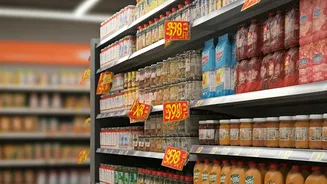
The journey from farm to factory ultimately ends at the retail shelf, and that's where consumers will feel the pinch. Higher costs for sugar, edible oils, and grains mean that the prices of biscuits, snacks, sweets, beverages, and cooking oils are likely to rise. Even staples like rice could become more expensive. Beyond direct price hikes, consumers might also experience "shrinkflation," where companies reduce the quantity of a product while keeping the price the same to manage rising input costs. This pressure on household budgets comes as rural incomes are also squeezed by poor agricultural output, potentially weakening overall consumer demand.
How Companies Are Responding
FMCG companies are on high alert, closely monitoring commodity prices and rainfall patterns. Many have flagged El Niño as a key risk to demand and supply chains. In response, firms are adopting several strategies. These include calibrated price increases to pass on some of the cost burden, focusing on cost-saving programs, and adjusting their product mix. Some companies may absorb a portion of the increased costs to protect their market share, but this can impact their profit margins. Firms like Godrej Consumer Products and Dabur have acknowledged the risks but also expressed confidence in their ability to navigate the volatility through diversified sourcing and resilient portfolios.