





Why the Monsoon Magnifies Food Risks
The rainy season creates a perfect storm for foodborne illnesses. High humidity and ambient moisture provide an ideal breeding ground for harmful bacteria, viruses, and fungi like Salmonella and E. coli. These microorganisms multiply rapidly on food surfaces,
causing items to spoil much faster than in other seasons. Furthermore, heavy rainfall can lead to the contamination of water sources, which may be used to wash vegetables and fruits, increasing the risk of diseases like gastroenteritis, typhoid, and cholera. Our own bodies also react to the weather; digestion tends to slow down during the monsoon, making us more susceptible to stomach infections from contaminated food.
The Hidden Dangers in Raw Salads
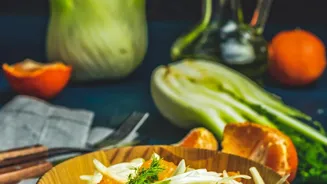
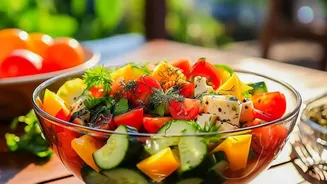
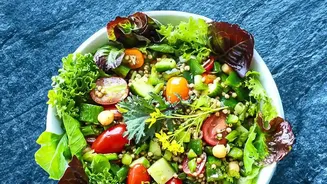
Leafy green vegetables such as spinach and cabbage, common staples in salads, are particularly risky during the monsoon. Their intricate folds can trap dirt, germs, and parasites from contaminated soil and water, making them difficult to clean thoroughly. Consuming these greens raw significantly increases the chances of ingesting harmful pathogens that can lead to stomach infections and food poisoning. Health experts often note a spike in such cases during the rainy months, frequently linking them to the consumption of raw vegetables. Even if you wash them at home, some bacteria may remain, making cooked preparations a much safer bet.
Pre-Cut Fruits: A Risky Convenience
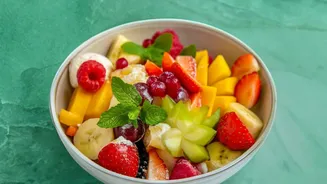
That colourful plate of pre-cut fruit from a street vendor might look tempting, but it's one of the most common sources of infection during the monsoon. Once a fruit's protective peel is removed, its sugary flesh is exposed to the elements. In the humid weather, this becomes a nutrient-rich surface for airborne bacteria to land and multiply. These fruits are often cut with unclean knives, washed with unsafe water, and left uncovered for hours, exposed to dust and flies. It’s much safer to buy whole fruits, wash them thoroughly under clean running water, and cut them yourself just before you plan to eat them.
Safer Swaps for Your Monsoon Diet
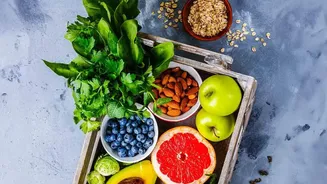
Avoiding raw foods doesn’t mean you have to miss out on nutrients. The key is to switch to preparations that kill harmful germs. Instead of a raw salad, opt for steamed, grilled, or boiled vegetables. A warm bowl of soup made with immunity-boosting ingredients like ginger, garlic, and turmeric is an excellent and comforting alternative that aids digestion. For fruits, choose those with thick peels that you can remove yourself, such as bananas, pomegranates, and pears. These are generally safer as the edible part is protected from external contamination. Lightly cooked meals like khichdi are also easy on the digestive system and are highly recommended.
Tips for Safe Consumption
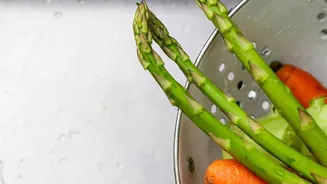
If you absolutely must have a salad, it's crucial to prepare it at home with extreme care. Wash all vegetables thoroughly under clean, running water. Soaking them in a bowl of water with a bit of salt or vinegar for a few minutes can help dislodge dirt and microbes. Always wash your hands with soap before handling food and use clean chopping boards and knives to prevent cross-contamination. Cut fruits and vegetables only right before consumption; do not let them sit out. When eating out, it's always safer to choose freshly cooked, hot meals over any raw food options on the menu.