



The Return to Roots
For years, the mark of a 'fancy' garden was its collection of exotic, often temperamental, foreign plants. But a wonderful shift is underway. More and more, Indian gardeners are looking inwards, rediscovering the charm and practicality of plants that
have thrived in our climate for centuries. This isn't just about 'vocal for local'; it's a smart gardening strategy. Native plants are naturally adapted to our sun, soil, and water conditions, meaning they require less care, fewer pesticides, and are more resilient to local pests and diseases. They also play a crucial role in supporting local ecosystems, providing food and shelter for native birds, bees, and butterflies. It’s a win-win: a beautiful garden that’s easier to maintain and better for the environment.
Tulsi (Holy Basil): The Queen of Herbs
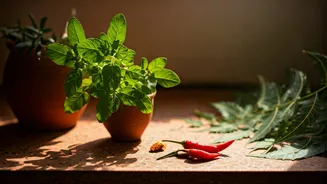
No Indian garden feels complete without a Tulsi plant. Revered in households across the country for its spiritual significance, Tulsi is much more than a religious symbol. It's an incredibly hardy and low-maintenance herb that thrives in a simple pot on a sunny windowsill or balcony. Its leaves, packed with medicinal properties, are a staple in home remedies for coughs and colds. The subtle, clove-like aroma it releases is a natural air purifier and mood lifter. Growing Tulsi is a direct connection to tradition, wellness, and the simple rhythms of nature. A daily ritual of watering this plant can be a moment of quiet mindfulness in a busy day.
Parijat (Night-flowering Jasmine): Fragrance of the Gods
The magic of the Parijat, or Harsingar, unfolds at dusk. As the sun sets, its small, pinwheel-like white flowers with vibrant orange stems open up, releasing an intoxicatingly sweet fragrance that perfumes the night air. By morning, the flowers have fallen, creating a delicate carpet on the ground below. Steeped in mythology and folklore, the Parijat is said to have been brought to earth from the heavens. Beyond its divine scent and story, it's a relatively easy-to-grow small tree or large shrub that asks for little more than a sunny spot and well-drained soil. Collecting its fallen flowers at dawn is a cherished ritual for many, a beautiful start to any day.
Marigold (Genda): A Burst of Sunshine
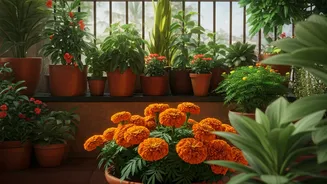
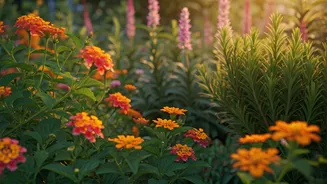
Marigolds are the colour of celebration. These cheerful, sun-loving flowers are synonymous with festivals, weddings, and worship in India. Their bright orange and yellow hues bring instant vibrancy to any space, from a sprawling garden to a series of balcony pots. But their appeal isn't just ornamental. Marigolds are a powerhouse of practicality. They are known to be natural pest repellents, with their strong scent deterring nematodes and other harmful insects, making them a fantastic companion plant for vegetable patches. They are incredibly easy to grow from seed, bloom profusely, and require minimal care, making them a perfect choice for beginner gardeners.
Hibiscus (Gudhal): The Tropical Showstopper
With its large, showy blooms in a dazzling array of colours—from fiery reds and sunny yellows to soft pinks and whites—the Hibiscus is a true garden star. The flower, often offered to deities like Ganesha and Kali, holds deep cultural significance. It’s also a beauty ingredient passed down through generations, famous for its use in natural hair oils and masks to promote growth and shine. This hardy shrub loves the Indian sun and rewards its owner with a near-constant display of flowers. It attracts hummingbirds and butterflies, adding another layer of life and movement to your garden. Whether planted as a hedge or a standalone feature plant, the Gudhal is a timeless classic that never fails to impress.
Curry Leaf (Kadi Patta): The Taste of Home
The aromatic flavour of fresh curry leaves is the soul of countless Indian dishes. Why rely on store-bought sprigs when you can have an endless supply right at your doorstep? The Curry Leaf plant is an attractive, easy-to-care-for shrub that can be grown in a large pot or in the ground. Its glossy green leaves are not only essential for tempering dals and creating flavourful curries, but they are also rich in nutrients. Having a Kadi Patta plant means you can pluck a few fresh leaves whenever you need them, unlocking a level of flavour and aroma that dried leaves simply cannot match. It’s a plant that connects your garden directly to your kitchen.