





1. Master Your Drainage Game
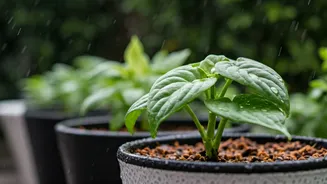
The number one enemy during the monsoon isn't the rain itself, but the water that stays behind. Waterlogged soil suffocates roots, leading to root rot, the most common killer of potted plants. Before the heavy showers begin, take preventive measures.
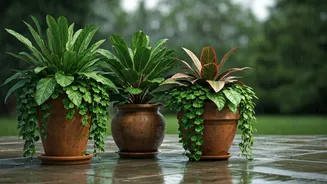
First, check every pot to ensure its drainage holes are clear. If they’re blocked, poke them open with a stick or screwdriver. For new plantings, create a well-draining potting mix. A good formula is one part garden soil, one part compost, and one part coarse sand or cocopeat. This mixture retains necessary moisture without becoming a swamp. For existing pots, consider placing them on 'pot feet' or a few bricks to lift them off the ground. This small gap allows excess water to escape freely and prevents your balcony or terrace from becoming a stagnant pond.
2. Choose Monsoon-Loving Plants
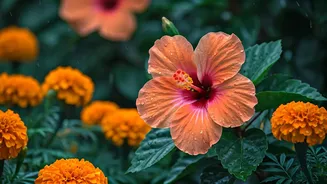
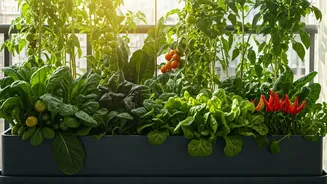
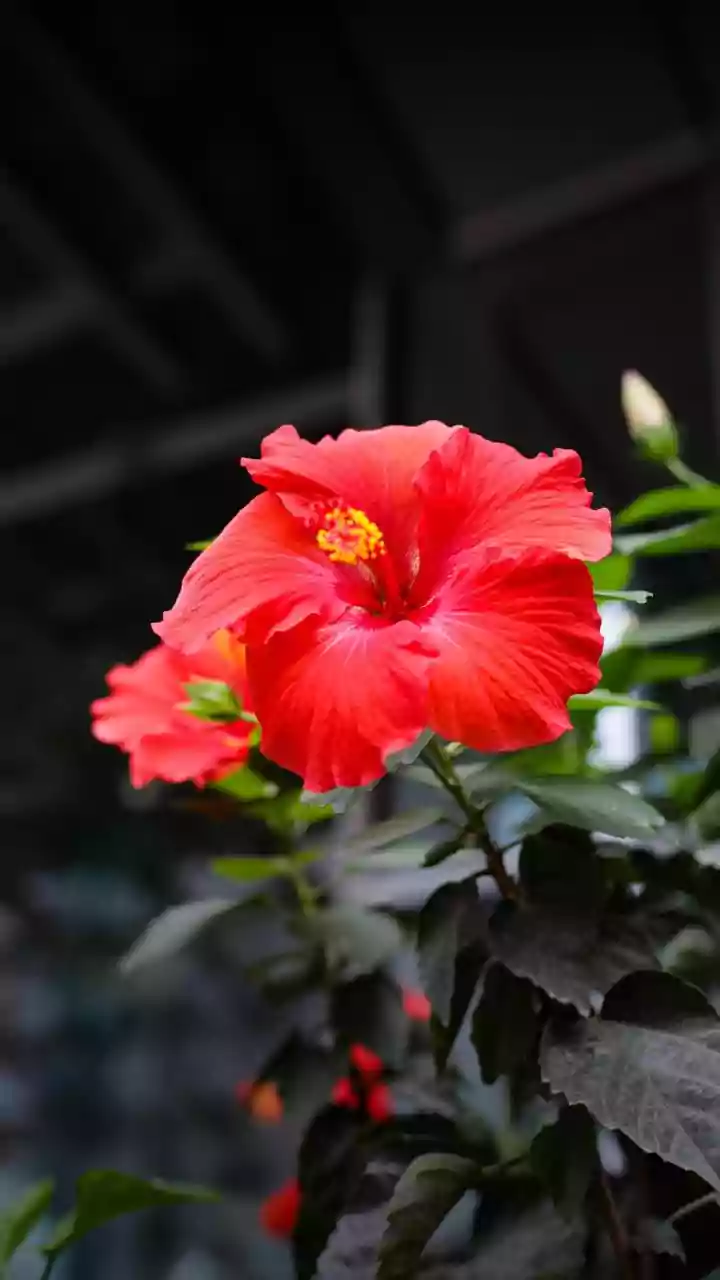
Instead of fighting the weather, why not work with it? Some plants absolutely thrive in the high humidity and consistent moisture of the Indian monsoon. This is the perfect time to introduce them to your garden. For vibrant flowers, consider planting balsam (impatiens), hibiscus, jasmine, and gloriosa lily. They love the damp conditions and will reward you with lush blooms. The rainy season is also ideal for growing your own produce. Vegetables like bitter gourd (karela), bottle gourd (lauki), and ridge gourd (turai) grow vigorously. It's also the best season to plant rhizomes like ginger, turmeric, and colocasia (arbi). These plants use the moisture to establish strong root systems, promising a healthy harvest later.
3. Relearn How to Water
It sounds counterintuitive, but you still need to monitor your watering schedule during the monsoon. The air is humid and the soil may look wet on top, but that doesn't always mean the plant's roots are getting what they need. The biggest mistake is watering on a fixed schedule. Instead, rely on the 'finger test'. Stick your index finger about an inch into the soil. If it comes out dry, it's time to water. If it's damp, hold off. For plants placed in covered areas like verandas or balconies that don't receive direct rain, this is crucial. For those out in the open, you may not need to water at all for days. Overwatering is a far greater risk than underwatering during this season, so always check first.
4. Go on Pest and Disease Patrol
The damp, humid weather is a breeding ground for fungal diseases and pests. Slugs and snails will be on the march, and you might spot white, powdery mildew on leaves. Be proactive. Regularly inspect your plants, especially the undersides of leaves, for any signs of trouble. A simple, organic solution for most fungal issues and soft-bodied pests is a neem oil spray. Mix a few drops of neem oil with a drop of mild liquid soap in a litre of water and spray it on your plants once every 10-15 days as a preventive measure. If you see snails or slugs, it's often best to hand-pick them in the evening. Keeping the area around your pots clean and free of fallen leaves and debris also removes hiding spots for these unwelcome guests.
5. Prune for Better Airflow
A dense, overgrown plant is a prime target for fungal infections during the monsoon. The lack of air circulation between leaves keeps them damp for longer, creating the perfect environment for mildew and rot. A strategic trim can make all the difference. Prune away any yellowing or diseased leaves immediately. Thin out crowded branches to open up the plant's canopy, allowing air to move freely and dry the foliage faster after a shower. Pay special attention to the lower parts of the plant, removing any leaves or stems that are touching the soil. This simple act of 'lifting the skirt' of the plant drastically reduces the risk of soil-borne diseases splashing up onto the leaves during heavy rain.
6. Make the Most of Limited Sunlight
Cloudy days mean less direct sunlight, which can slow down growth, especially for sun-loving plants. If your plants are in pots, you have the advantage of mobility. Try to move them to a spot that gets the most of the available morning or afternoon sun, even if it's only for a few hours. Keep an eye on the sun's path as the season progresses. If you can’t move your plants, try to maximise the light they do get. Wiping down dusty leaves helps them absorb light more efficiently. While it may seem extreme, you can even place a white board or a reflective surface strategically to bounce a little extra light onto your plants. Every little bit helps keep them healthy and photosynthesising through the greyest days.