






Your Digital Toolkit for Real-Time Updates
Gone are the days of waiting blindly at the station. Your smartphone is now your most powerful tool for staying ahead of monsoon travel chaos. The official National Train Enquiry System (NTES) app is your primary source of truth. It provides live train
running status, often using data directly from the railway signalling system for accuracy. You can 'Spot Your Train' on a map, check for cancellations, and see if your train has been rescheduled or diverted. Before you even leave for the station, make it a habit to check the NTES app or website. Many private apps like RailMitra, ixigo, and ConfirmTkt also offer similar services, often with user-friendly interfaces, providing details on delays, platform numbers, and more. The key is to be proactive; frequent checks can save you hours of waiting and uncertainty.
Smart Booking and Cancellation Strategies
During monsoon, how you book your ticket is as important as the journey itself. If your plans are flexible, consider routes less prone to heavy waterlogging. When booking, pay close attention to the cancellation rules. As of early 2026, Indian Railways has updated its policies, rewarding those who cancel early. You can now get a maximum refund if you cancel more than 72 hours before departure. However, the window for last-minute cancellations has become stricter, with no refunds for tickets cancelled less than 8 hours before the train's departure. It's also wise to understand the rules for trains that are heavily delayed. If your train is running late by more than three hours from your boarding station, you are entitled to a full refund, provided you file a Ticket Deposit Receipt (TDR) online before the train's actual departure.
Pack for Delays and Downpours
A smart traveller is a prepared traveller. During the monsoon, this means packing for the unexpected. Assume there will be delays and pack accordingly. A fully charged power bank is non-negotiable; it's your lifeline to the real-time information on your phone. Keep essential documents, electronics, and tickets in waterproof bags or zip-loc pouches. An extra supply of drinking water and non-perishable snacks can be a godsend during a long, unscheduled stop. Also, pack a light raincoat and choose footwear with a good grip. Station platforms can become extremely slippery when wet, and a fall is an easy way to ruin a trip. Think of your monsoon travel kit as your personal insurance policy against discomfort and stress.
On the Day of Your Journey
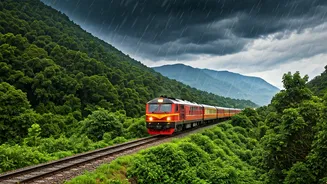
The day of departure requires extra vigilance. Heavy rains can cause severe traffic jams, so plan to leave for the station much earlier than you normally would. Just before you step out, do one last check of your train's status on the NTES app. Listen carefully to station announcements, as platform numbers can change at the last minute due to operational adjustments. While the romance of standing at the train door during a shower is tempting, it's a significant safety risk; train doors and floors can be slippery and dangerous. Always stay behind the yellow safety line on the platform. If you are travelling on routes known for monsoon disruptions, like the Konkan Railway, be aware that a special monsoon timetable is often in effect from June to October, which involves slower speeds and altered schedules for safety.
Embrace the Journey with Patience
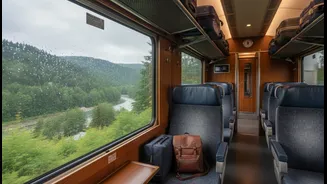
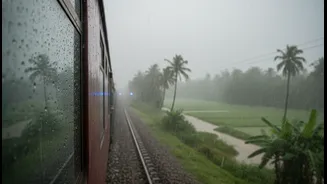
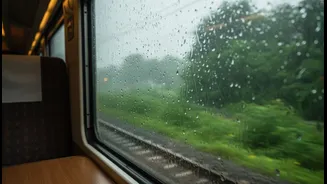
Ultimately, travelling by train during the Indian monsoon is a lesson in patience. Railways often reduce train speeds in vulnerable sections as a crucial safety measure to prevent accidents on waterlogged or slippery tracks. These precautions, while causing delays, are in place to protect passengers. Instead of getting frustrated by a delay, see it as part of the monsoon travel experience. It’s an opportunity to read a book, chat with fellow passengers, or simply watch the rain-drenched landscape roll by. While the destination is important, the journey itself—even a delayed one—can be memorable. A prepared and patient mindset is the final, essential item to pack for your trip.