



The Allure of a Post-Monsoon Paradise
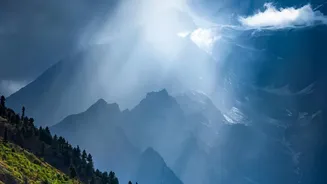
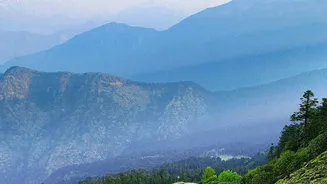
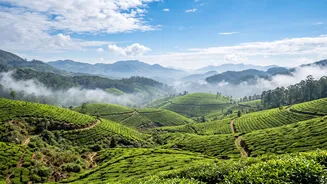
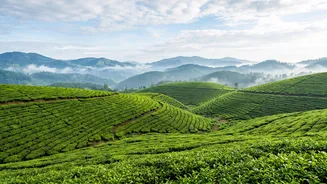
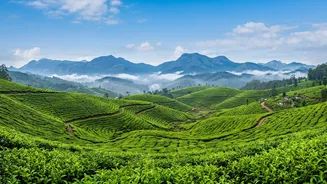
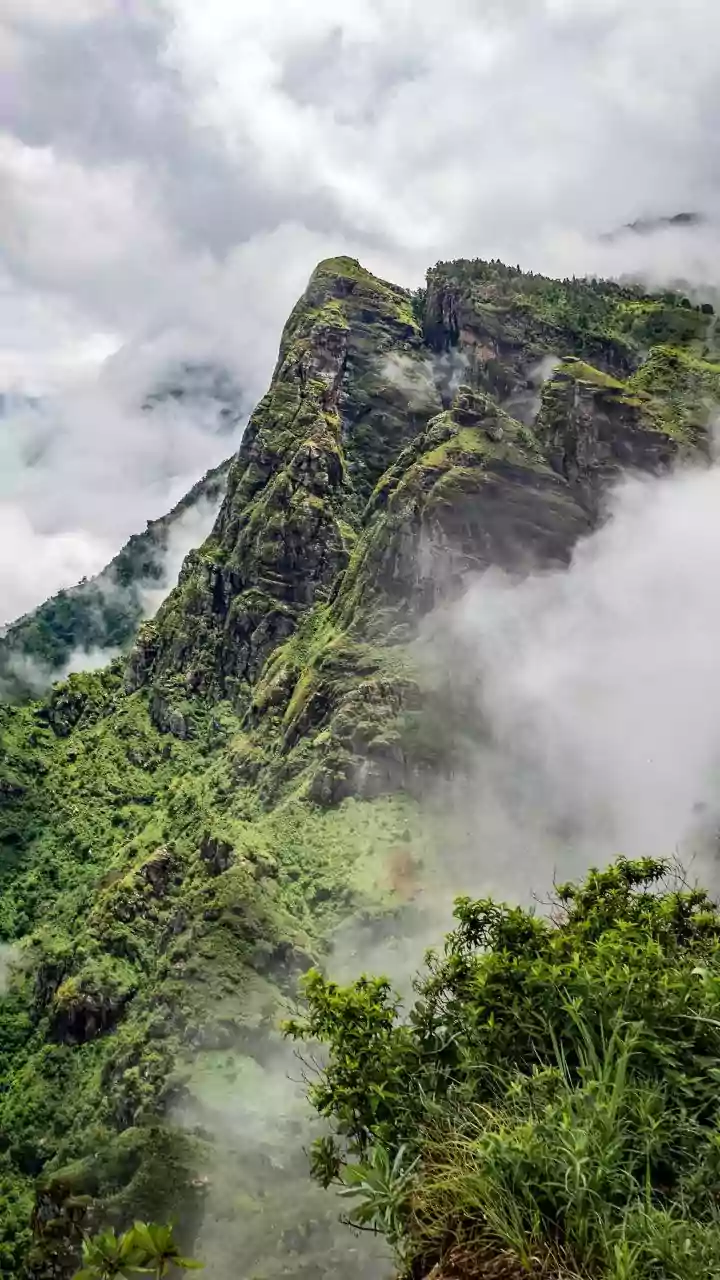
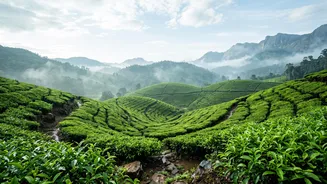
September is an enchanting time in the Indian hills. The monsoon rains wash the landscape clean, leaving behind vibrant, emerald-green valleys and mountainsides. Waterfalls, recharged by months of rain, are at their most spectacular, and the air is crisp
and clean. With the peak tourist season yet to begin, popular destinations like Shimla, Manali, Mussoorie, and Ooty are less crowded, offering a more peaceful experience. The weather is generally pleasant, with comfortable daytime temperatures perfect for sightseeing and nature walks. This combination of lush scenery, fewer crowds, and agreeable weather makes September a highly underrated month for a mountain getaway.
Lingering Risks: Landslides and Weather
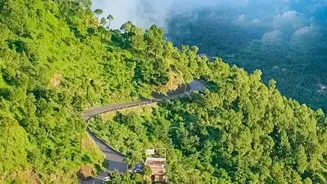
The biggest watch-out for September travel is the lingering effect of the monsoon. While the heaviest rains may have passed, the ground remains saturated, making slopes unstable. This creates a continued risk of landslides and flash floods, particularly in the Himalayan states of Himachal Pradesh and Uttarakhand. Recent weather reports for early September 2026 show that active monsoon conditions can persist, with heavy rainfall warnings still in effect for several districts. These sudden, intense spells of rain can trigger landslides, block roads, and disrupt travel plans with little warning. Fatalities have been reported in early September from landslide-related incidents, highlighting the very real danger.
Road Conditions and Accessibility
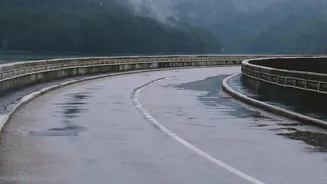
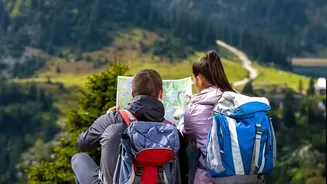
Road travel is the primary concern for post-monsoon trips. Landslides can lead to sudden and prolonged road closures, potentially leaving travellers stranded. As of early September 2026, dozens of roads were reported blocked in Himachal Pradesh due to rain and landslides. Even major highways connecting popular towns can be affected. Before starting your journey, and each day before you travel, it is crucial to check the latest road status and traffic advisories from local authorities. It's wise to build buffer days into your itinerary to account for potential delays. Sticking to major, well-travelled routes is recommended over exploring remote, offbeat roads, which may be more vulnerable and have slower repair times.
Essential Packing and Health Tips
Packing for September requires preparing for mixed conditions. While days can be pleasant, evenings and nights get chilly, so layering is key. Include light woollens, a fleece or windproof jacket, and a waterproof outer layer for unexpected showers. Sturdy shoes with good grip are non-negotiable for slippery trails and wet surfaces. Because of the damp conditions, insect repellent is a must, especially in forested areas. Also, carry a basic medical kit with medications for common ailments like colds, fever, and motion sickness, as sudden weather changes can affect your health. Sunscreen is also essential, as UV exposure is higher at altitude, even on cloudy days.
Choosing Your Destination Wisely
While many hill stations are beautiful in September, some are safer bets than others. Destinations in the rain-shadow regions, like Spiti Valley and Ladakh, are drier and more accessible as their main travel season is underway. In the south, places like Coorg and Munnar are vividly green after the rains but can still experience heavy showers. In the north, while Shimla and Manali are popular, they are also in regions that have seen significant monsoon-related disruptions. Always check local district advisories before finalising your plans. Some trekking organisations, for example, recommend waiting until the second half of September for safer conditions, when the monsoon has more definitively receded.