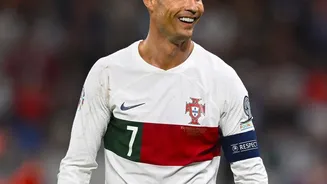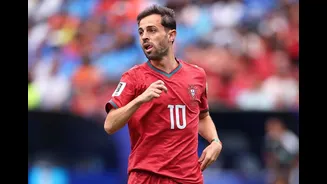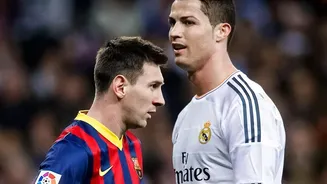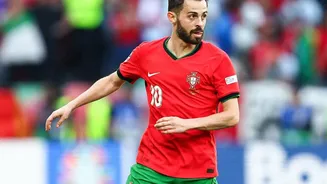


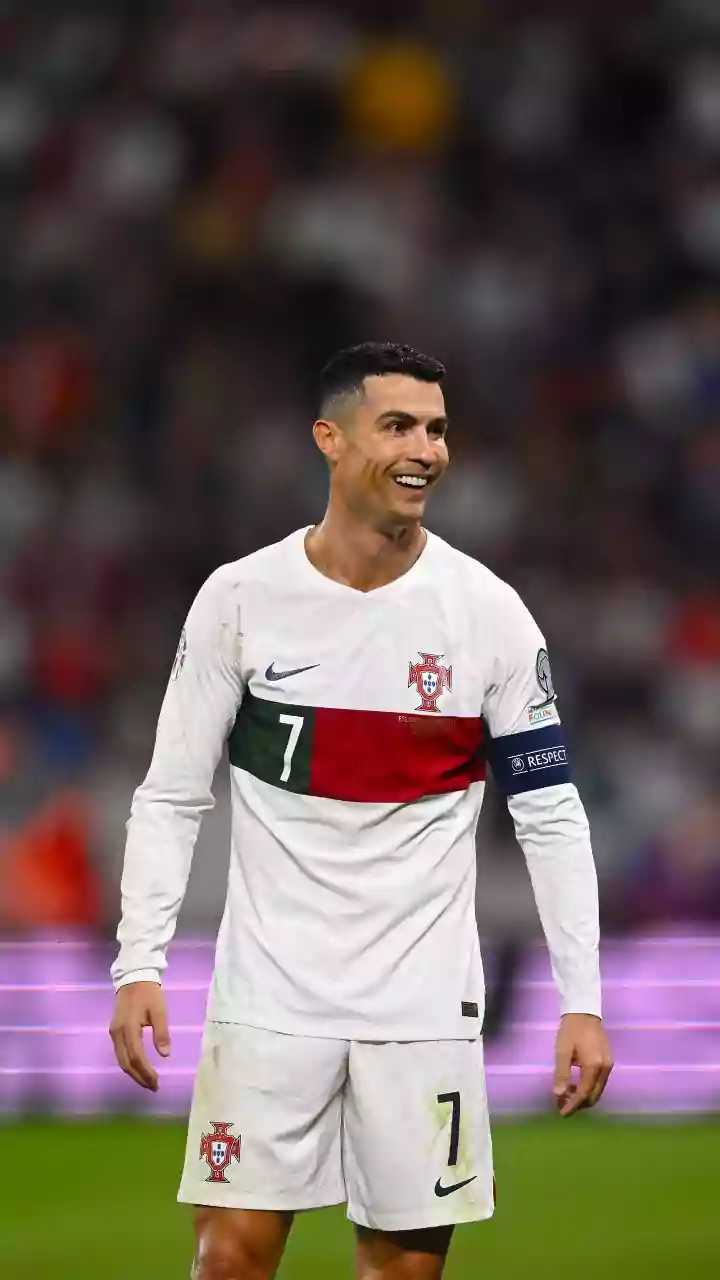

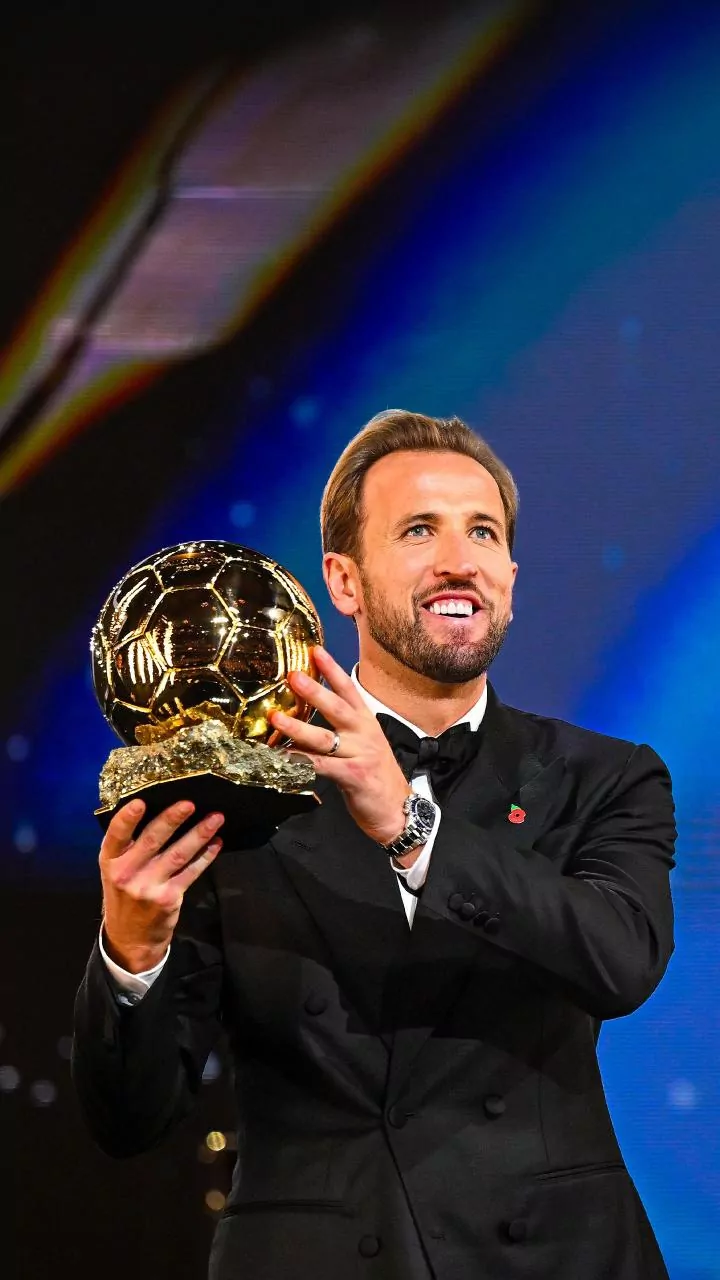

Portugal has entered a new era, naming Bernardo Silva its captain after Cristiano Ronaldo's retirement. The decision has left many wondering: why was the equally influential Bruno Fernandes overlooked for the top job?
A New Leader for a New Era
In the wake of Cristiano Ronaldo's
international retirement, the Portuguese Football Federation has officially handed the captain's armband to Bernardo Silva. The decision, confirmed by head coach Jorge Jesus, marks a significant moment for the national team as it moves on from its most iconic player. Silva, a decorated midfielder currently with Real Madrid, will now lead Portugal into their upcoming UEFA Nations League fixtures against Denmark and Wales. The appointment signals the start of a fresh chapter, with the coach entrusting Silva with the responsibility of guiding a talented squad that has its sights set on future glory.
The Seniority Rule
The primary reason behind the decision is straightforward: seniority. Coach Jorge Jesus explained that Portugal's captaincy is traditionally awarded to the player with the most international appearances. Following Ronaldo's departure, Bernardo Silva is the most-capped player in the current squad, with 115 appearances for his country. This established protocol effectively made him the automatic successor to the armband. It is a system designed to reward longevity and sustained commitment to the national cause. While other names were in consideration, the federation's adherence to its long-standing tradition put Silva at the front of the line.
So, Why Not Bruno Fernandes?
This brings us to the central question for many fans. Bruno Fernandes, the talismanic captain of Manchester United, was a strong contender in the eyes of the public. He has captained Portugal in Ronaldo's absence before and is known for his vocal leadership and game-changing abilities. However, under the seniority rule, he falls short. With 97 caps, Fernandes is the second-most experienced player in the new leadership group, but still behind Silva. Therefore, his omission from the top spot isn't a reflection of his leadership qualities or importance to the team, but rather a consequence of the team's selection policy. The coach has named Fernandes as part of a five-man leadership group, cementing his importance within the squad's hierarchy.
A Contrast in Leadership Styles
Beyond the official reasoning, the choice also highlights a difference in leadership styles. Bruno Fernandes is famously passionate, demanding, and visibly emotional on the pitch—a 'stats machine' who has often carried his club through difficult periods. Bernardo Silva, in contrast, is viewed as a quieter, more composed leader who guides through his supreme tactical intelligence, relentless work rate, and on-the-ball genius. He was a core component of Manchester City’s most successful era, embodying the tactical persona of a Pep Guardiola team. The coach may favour Silva’s calmer influence as the on-field general, believing his style is best suited to harmonise a squad brimming with individual talent.
The Coach's Vision
Ultimately, the appointment of Bernardo Silva reflects the coach's trust in a player with immense experience and a winning pedigree. Jesus praised Silva's quality and his form at Real Madrid, noting that being a starter at one of the world's best clubs speaks for itself. By defaulting to the seniority rule, the coach avoids any perception of favouritism and installs a leader who commands respect through both his accomplishments and his years of service. The decision indicates a preference for stability and continuity in a period of significant transition. While Fernandes will undoubtedly remain a crucial voice in the dressing room, the armband officially belongs to the team's most seasoned veteran.