




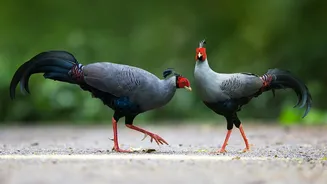

A Paradise for Winged Jewels
The southern tip of South Andaman is an avian wonderland, with Chidiya Tapu—literally “Bird Island”—as its crown jewel. This area, along with the nearby Mount Harriet National Park (now Mount Manipur National Park), forms a critical habitat for over 240
bird species. Well-marked trails, like the 1.5-kilometre trek to Munda Pahad, wind through dense tropical forests, mangrove-lined shores, and coastal scrub, offering diverse ecosystems in a compact region. Birders flock here hoping to spot stunning endemics like the Andaman Woodpecker, the vibrant Andaman Drongo, the elusive Andaman Crake, and the majestic Andaman Serpent Eagle. The air is filled with a symphony of calls, from the drumming of woodpeckers to the songs of the Andaman Shama, making it a truly immersive natural experience.
The Double-Edged Sword of Tourism
The very allure of these birds brings a growing stream of tourists, and with them, a demand for guides. This is where a critical issue comes into focus. An untrained guide might mean a disappointing trip for a tourist, but the stakes are far higher for the ecosystem. Inexperienced guides can inadvertently cause significant harm. This can range from misidentifying species to using recorded bird calls excessively, which disrupts natural behaviour, affects breeding cycles, and causes stress to the birds. In fragile habitats, simply leading a group off-trail can lead to trampling of rare flora and disturbance of nesting sites. With the islands' ecosystems already under pressure from waste, water usage, and climate change, ensuring that tourism is a force for good, not harm, is paramount.
More Than Just a Spotter
A truly great birding guide is not just someone who can point out a bird in a tree. They are interpreters of the wild, frontline conservationists, and cultural ambassadors. According to guidelines developed for the islands, a qualified guide possesses deep knowledge of the local ecology, including bird behaviour, migration patterns, and the specific needs of endemic species. They practice and enforce ethical birding—maintaining a safe distance, minimising noise, and never feeding wildlife. An expert guide transforms a simple walk into an educational journey, explaining the intricate relationships between the flora and fauna and the importance of conservation. Their skill ensures not only that visitors see the birds they came for, but that they leave with a profound respect for the environment.
Investing in Local Expertise
Recognising this crucial need, the Andaman & Nicobar Administration has started to take proactive steps. In partnership with institutions like the Indian Institute of Tourism and Travel Management (IITTM), the Directorate of Tourism has been organising training programmes for local youths. These courses aim to build a pool of professional eco-tour guides equipped with skills in biodiversity interpretation, responsible tourism principles, and visitor management. The curriculum covers everything from the ecology of the Andaman coast to the art of storytelling, creating engaging experiences for tourists. By empowering local communities with these skills, the administration not only enhances the quality of the tourism services but also ensures that the economic benefits of tourism are shared and that development remains sustainable.