




The Familiar Monsoon Mayhem
Every year, the story repeats itself in cities across India. A few hours of heavy monsoon rain overwhelm decades-old drainage systems. Streets turn into canals, traffic comes to a standstill for hours, and low-lying areas face severe waterlogging. The
consequences are not just inconvenient; they are economic and social. Businesses lose revenue, vehicles are damaged, and the risk of waterborne diseases rises. For years, the official response has been largely reactive: wait for the flood, then begin the slow and expensive process of pumping water out and clearing debris. This approach deals with the aftermath but does little to prevent the disruption in the first place, leaving citizens frustrated and vulnerable each monsoon season.
A Shift From Cleanup to Prevention
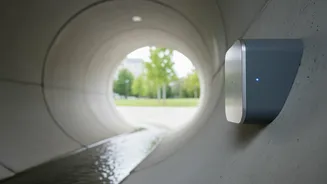
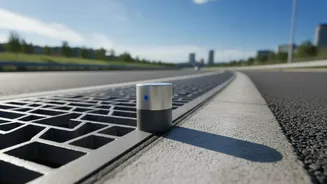
A new wave of technology is aiming to change this reactive cycle. Enter smart drainage sensors. These are not just simple water detectors; they are part of an interconnected network—the Internet of Things (IoT)—designed to give city authorities a real-time view of what is happening underground. Small, durable sensors are strategically placed inside manholes, sewer lines, and stormwater drains across the city. These devices continuously monitor critical parameters like the water level and flow rate. By creating a live digital map of the city's drainage network, they provide an early warning system that can spot a problem long before it spills onto the streets.
How The System Works In Real-Time
The genius of the system lies in its speed and automation. When a sensor detects a rising water level or a sudden drop in flow that indicates a blockage from silt or garbage, it instantly transmits an alert to a central command centre. There, officials can see the exact location of the potential problem on a digital dashboard. This is a significant leap from the traditional method of relying on public complaints or manual inspections. For instance, the Municipal Corporation of Gurugram (MCG) recently launched a pilot project ahead of the monsoon, installing dozens of sensors in flood-prone areas. This system, developed in collaboration with a startup from IIT Gandhinagar, can flag a potential blockage in just five minutes, a process that could otherwise take days.
Turning Data Into Immediate Action
This early warning capability is what fundamentally reduces disruption. Instead of waiting for a road to become impassable, the real-time alert allows municipal teams to act proactively. If a sensor flags a blockage, a crew can be dispatched to that specific manhole to clear it before the drain overflows. If multiple sensors in an area show rapidly rising water levels, authorities can issue targeted traffic advisories, diverting vehicles away from the potential flood zone before gridlock sets in. This proactive stance means fewer people trapped in traffic, less damage to vehicles and property, and faster restoration of normalcy. It transforms flood management from a city-wide guessing game into a precise, data-driven operation.
Building Smarter Cities for the Future
The benefits of smart drainage sensors extend far beyond immediate flood mitigation. The vast amount of data collected over time is invaluable for long-term urban planning. By analysing this data, city planners can identify chronic hotspots where blockages and overflows occur most frequently. This information allows them to make informed decisions about where to invest in infrastructure upgrades, such as widening drains or building new channels. The data helps create more accurate flood models, ensuring that future development projects are designed with better water resilience in mind. In essence, the technology not only helps manage today's floods but also helps design a future where cities are better equipped to handle extreme weather events.