




What is the 'No PUC, No Fuel' Rule?
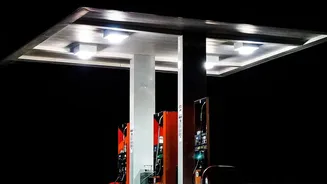
The rule is straightforward in its aim: if you drive up to a petrol, diesel, or CNG station in Delhi and parts of the National Capital Region (NCR), you will be denied fuel if your vehicle does not have a valid PUC certificate. This measure, which has
been floated in the past, is now being strictly enforced from October 1 as part of a broader Winter Action Plan to curb pollution. The enforcement extends beyond Delhi to NCR districts in Haryana and Uttar Pradesh. Many fuel stations are being equipped with Automatic Number Plate Recognition (ANPR) cameras that are linked to the central VAHAN database to automatically verify a vehicle's PUC status before dispensing fuel.
The Logic: Tackling Vehicular Emissions
The government's rationale is to target a major source of the region's infamous smog: vehicular emissions. According to analyses by the Commission for Air Quality Management (CAQM), the transport sector is a significant contributor to PM2.5 pollution, the fine particulate matter that poses serious health risks. By making a valid PUC certificate a prerequisite for fuel, authorities hope to force vehicle owners to ensure their cars and bikes meet emission standards. Driving without a valid PUC certificate can already attract a hefty fine of up to ₹10,000, but this new rule aims to ensure compliance at the source rather than relying solely on random police checks.
On-Ground Realities: Chaos and Pushback
While the intention is clear, the rollout has been met with significant practical challenges. Petrol pump associations and staff have raised concerns about the difficulty of enforcement, citing the potential for arguments and disputes with customers. Attendants report that it is nearly impossible to manually check every vehicle, especially during peak hours, leading to long queues and delays. Furthermore, technical glitches with the scanning apps and ANPR systems have been reported, causing confusion. Some pump owners have stated they can raise awareness but cannot enforce the law, threatening to go on strike if forced to do so without support from traffic police or transport officials.
Your Checklist: How to Stay Compliant
For vehicle owners, compliance is now non-negotiable to avoid being stranded. A PUC test can be done at authorised centres, many of which are located at petrol pumps themselves. The process is quick and typically costs between ₹130 and ₹140, depending on the vehicle. For new vehicles, a PUC certificate is valid for one year, after which it needs to be renewed at regular intervals. The sudden enforcement has led to a rush at these centres, so it is advisable not to wait until the last minute. Remember, this rule applies to all vehicles, including two-wheelers.
A Silver Bullet or a Logistical Nightmare?
Experts and citizens are divided on the effectiveness of the 'No PUC, No Fuel' policy. Proponents argue it's a necessary, if tough, measure to instill discipline and take high-polluting vehicles off the road. However, critics argue it places an unfair burden on citizens and petrol pump staff, creating logistical chaos without addressing the larger, systemic causes of NCR's pollution, such as industrial emissions and stubble burning in neighbouring states. While the rule ensures vehicles on the road are less polluting, its success hinges on seamless technological integration and smooth on-ground execution, which has proven difficult in the initial days.