




The Policy That Opened the Floodgates
The game changed in 2020 when the Indian government opened the space sector to private participation. This was solidified by the Indian Space Policy of 2023, a landmark document designed to create a thriving commercial space ecosystem. The policy's goal
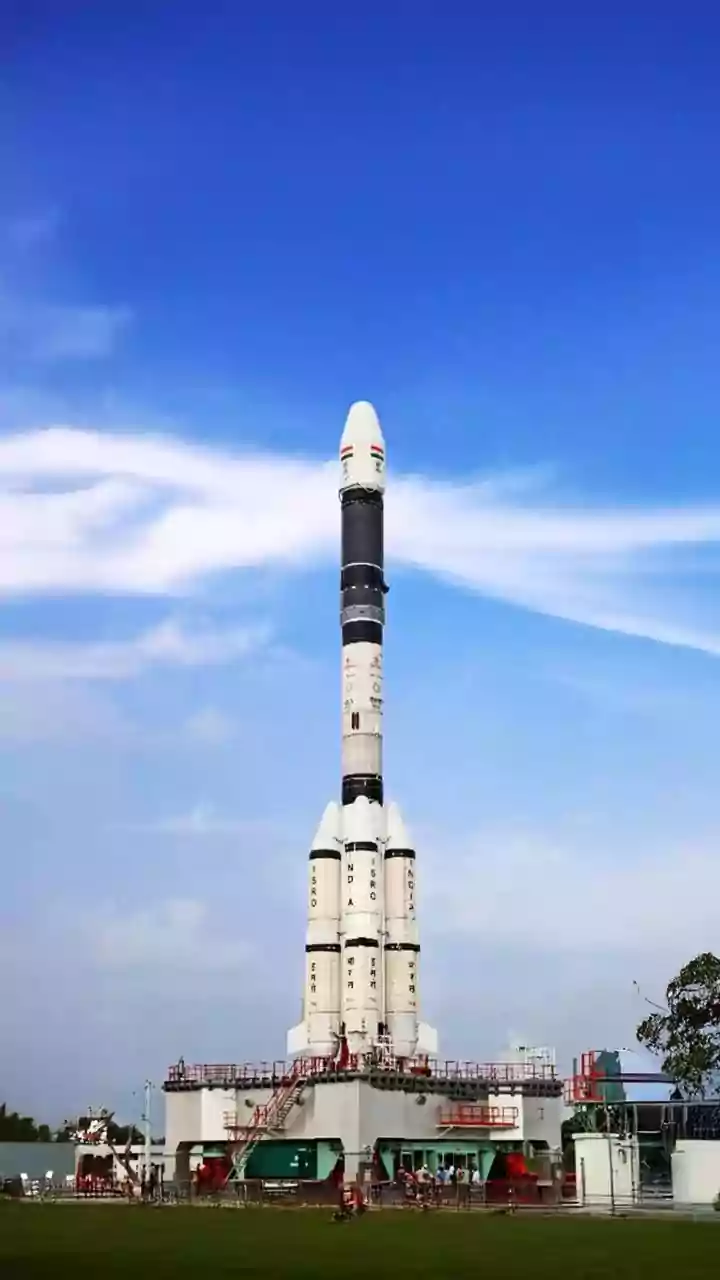
is to move beyond a model where the Indian Space Research Organisation (ISRO) does everything, to one where ISRO focuses on advanced research and development, while private companies handle manufacturing and operational launches. To oversee this, the government established the Indian National Space Promotion and Authorisation Centre (IN-SPACe) as a single-window agency to regulate, promote and authorise private space activities. This strategic shift is designed to boost India's share of the global space economy from a mere 2% to a projected 8-10% by 2033, expanding the domestic industry to a potential $44 billion.
Meet the New Space Pioneers
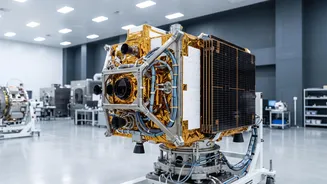
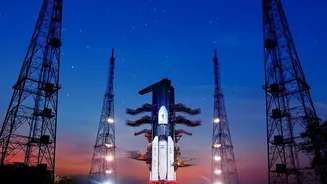
This new policy environment has allowed a vibrant startup scene to flourish. As of 2026, India has over 400 active space startups, a dramatic increase from just a handful before 2020. Companies like Hyderabad-based Skyroot Aerospace, which launched India's first private rocket, Vikram-S, and Chennai-based Agnikul Cosmos, known for its 3D-printed rocket engines, are leading the charge in building launch vehicles. Others, like Bengaluru's Pixxel, are focused on building constellations of advanced earth-imaging satellites. These companies are not just making headlines; they are actively hiring and creating a new job market. They often offer faster career growth and competitive salaries, creating a new talent pull in the sector.
The Engineer's New Frontier
The rise of these private players means the definition of a "space job" is expanding rapidly. While a B.Tech in aerospace or mechanical engineering remains a common entry point, the demand now extends across a much wider spectrum of specialisations. Private firms are building lean, cross-functional teams and are actively seeking talent in electronics, software engineering, and materials science. Roles in avionics, embedded systems, propulsion engineering, and robotics are in high demand. Companies like Agnikul, Skyroot, and Pixxel are hiring for positions ranging from Power Electronics Engineers and Lead Structural Engineers to Mission Design Software Developers and Spacecraft Controllers. This diversification means that graduates with degrees in computer science, electrical engineering, and even civil engineering now have a clear pathway into the space industry.
The Skills That Get You Hired
In this competitive new environment, a degree alone may not be enough. Private startups, in particular, value practical skills and a hands-on approach. Proficiency in software like MATLAB, Python, and C++ for simulation and programming is becoming essential across both hardware and software roles. Experience with CAD software, systems engineering, and an understanding of the full product lifecycle are highly valued. Beyond core engineering, there is also a growing need for professionals in data analytics who can interpret the vast amounts of information sent back by satellites for applications in agriculture, telecommunications, and disaster management. This shift creates opportunities for engineers to develop interdisciplinary skills, blending their core knowledge with software and data literacy to become more competitive.