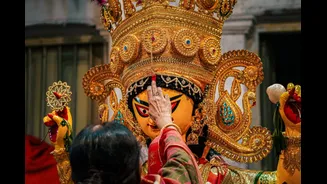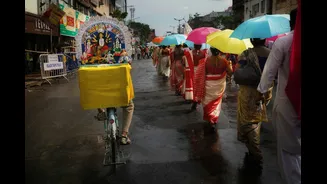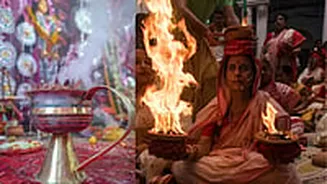




More Than a Festival, a Feast
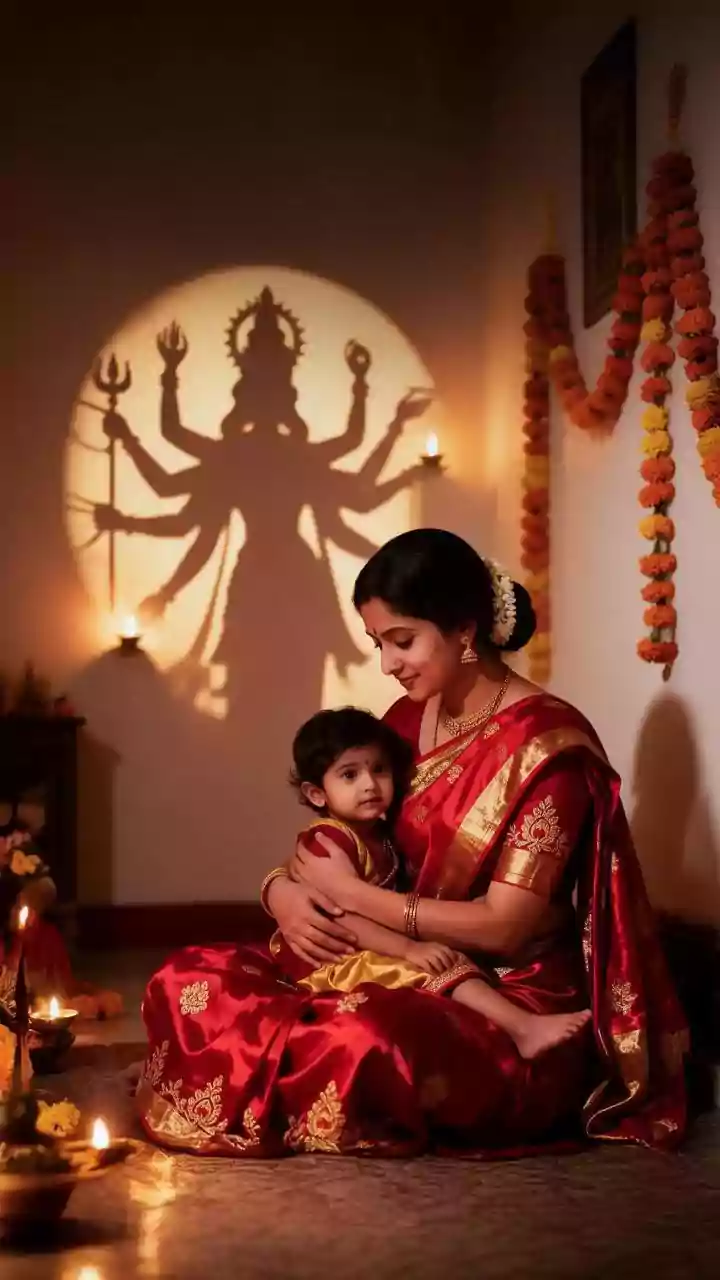
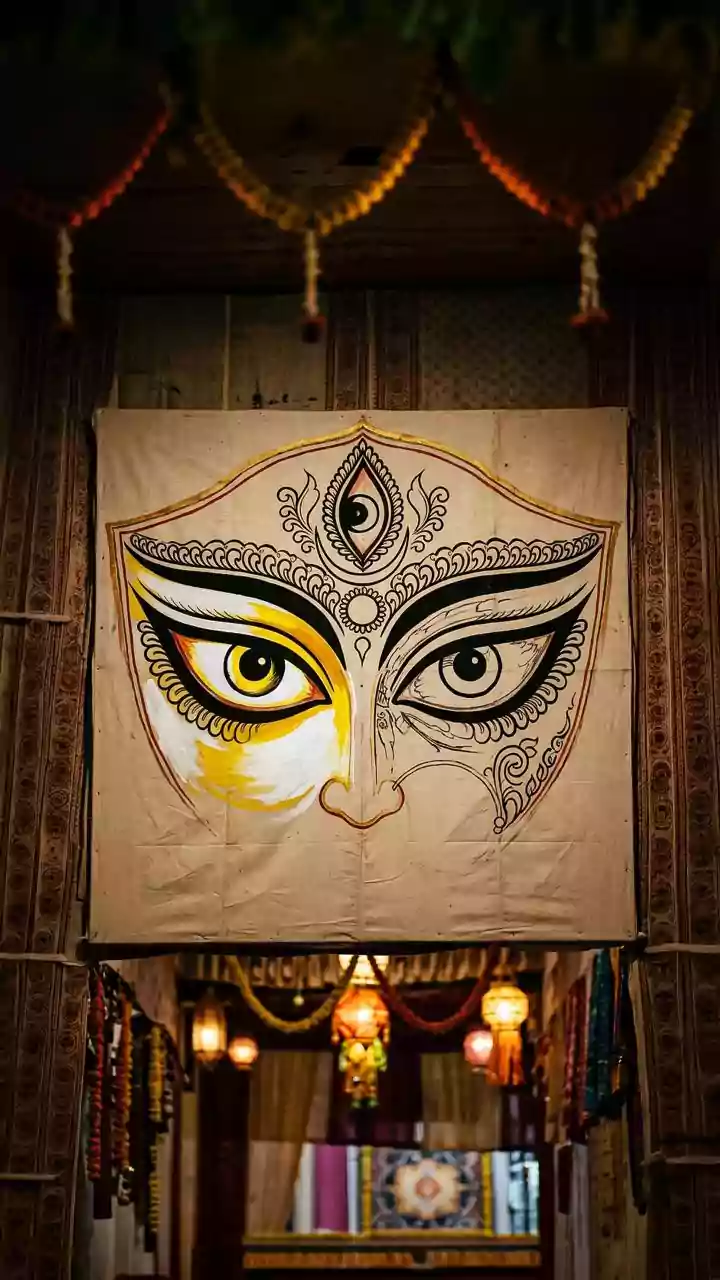
Durga Puja is more than a religious festival in Bengal; it is an emotion, a city-wide celebration of culture, art, and community. And at the very heart of this celebration is food. While savoury street-side snacks like phuchka and kathi rolls fuel late-night
pandal hopping, it is 'mishti' (sweets) that truly defines the festive spirit. Sweets are not merely dessert; they are an integral part of the worship itself. Offered to the Goddess Durga as 'bhog' (sacred offering), they symbolise purity, devotion, and gratitude. Sharing these sweets with family, friends, and visitors is a gesture of warmth and togetherness, weaving a thread of shared joy throughout the community.
Guardians of Culinary Heritage
In Kolkata, certain sweet shops are not just businesses; they are revered institutions. Shops like Bhim Chandra Nag, established in 1826, and Nalin Chandra Das & Sons, founded in 1841, are custodians of Bengal's culinary identity. These heritage establishments, some now run by the sixth or seventh generation, have preserved recipes passed down like sacred texts. During Durga Puja, they transform into bustling hubs of activity, their kitchens working tirelessly to meet the insatiable demand. For many families, visiting these iconic shops to buy sweets for offerings and gifting is a non-negotiable ritual, a tradition that connects them to generations past. Even a 2026 Durga Puja pandal in Ahiritola is celebrating this legacy, with a theme dedicated to the history of Bengali sweets.
The Taste of Timeless Recipes
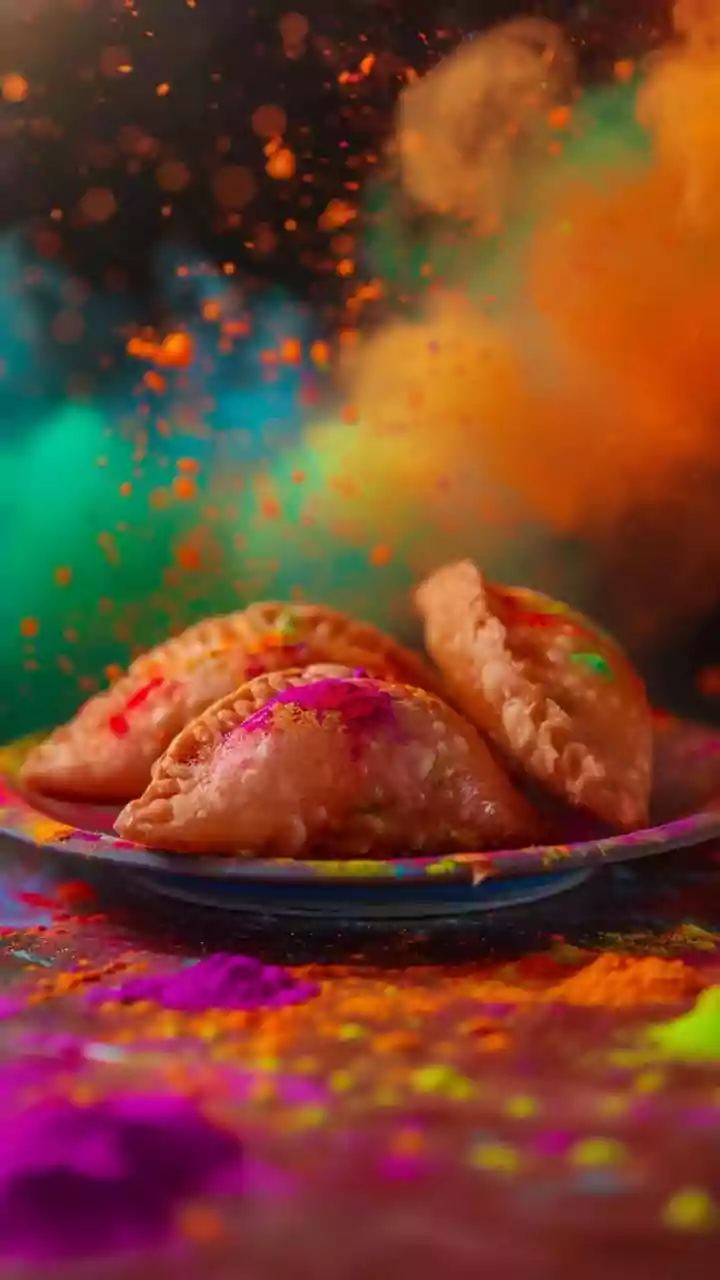
The stars of the show are the classic sweets, many of which are based on 'chhena' (fresh cottage cheese). The iconic Rosogolla, soft and spongy dumplings in a light syrup, is a quintessential offering, considered pure and ideal for 'prasad'. Then there is the Sandesh, a delicate sweet made from fresh, kneaded chhena and sugar, often moulded into intricate shapes. Other favourites include Narkel Naru, coconut ladoos made with jaggery that symbolise prosperity, and Pantua, a Bengali version of Gulab Jamun. Sweets like Lobongo Lotika, a clove-sealed pastry, and Chanar Jilapi, a jalebi-shaped chhena delicacy, showcase the sheer variety and artistry of Bengali confectioners.
Balancing Tradition and Modernity
While tradition is paramount, these age-old establishments are not frozen in time. Many have embraced innovation to cater to evolving tastes. Shops like Balaram Mullick & Radharaman Mullick, established in 1885, have become pioneers in creating new sweets alongside the classics. You might find traditional Sandesh next to modern creations like chocolate-filled or butterscotch-flavoured varieties. This ability to adapt while honouring their roots is key to their enduring appeal. They manage the monumental task of serving millions during the festive rush, ensuring that whether it is a classic Rosogolla or a new fusion sweet, the quality remains impeccable. This blend of the old and new ensures that the sweet legacy of Bengal continues to thrive for future generations to enjoy.