





In a move that highlights the escalating tensions in the world of artificial intelligence, AI safety and research company Anthropic is reportedly asking its employees to stop wearing company-branded gear in public.
A New, Unofficial Dress Code
According to recent reports, Anthropic
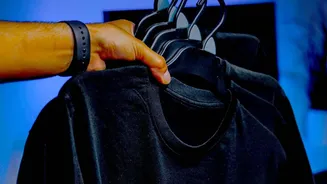
has largely banned branded merchandise for staff and reminded them to conceal their identification badges when outside the office. This directive, while not yet officially confirmed by the company, is said to be part of a wider effort to protect employees from a growing number of threats. The policy reportedly extends from hoodies and t-shirts to any item that would publicly identify an individual as an employee of the high-profile AI lab. This move is not happening in a vacuum; rival firm OpenAI has reportedly issued similar guidance to its staff, signalling a significant shift in how these once-celebrated tech companies view their public profile.
Worker Safety in the Spotlight
One of the primary drivers behind this reported policy is the physical safety of employees. As AI becomes more integrated into society, it has also become a flashpoint for public anxiety and, in some cases, hostility. High-profile figures and companies in the AI space have been the targets of protests and even direct attacks. For example, OpenAI CEO Sam Altman's home was reportedly targeted in two separate incidents earlier in 2026, one of which allegedly involved a Molotov cocktail. By asking employees to keep a low profile, Anthropic appears to be taking preemptive steps to reduce the risk of its staff being identified and targeted by individuals or groups with anti-AI sentiments.
The Shadow of Corporate Espionage
Beyond physical threats, the bigger concern may be corporate and national security. The intellectual property being developed at firms like Anthropic and OpenAI is considered immensely valuable, making them prime targets for espionage. Reports suggest that both companies have been training employees to be wary of deceptive tactics from outsiders. These can range from strangers attempting to eavesdrop on conversations in public places to more sophisticated 'honey trap' scenarios involving offers of money, friendship, or even romantic interest to extract confidential information. An employee wearing a company logo becomes an easily identifiable target for corporate spies or foreign agents seeking to gain an edge in the global AI race.
A Sign of an Escalating AI Arms Race
This move to go incognito reflects the highstaked environment of modern AI development. What was once a more open and academic field has transformed into a fiercely competitive global industry with geopolitical implications. Companies like Anthropic, OpenAI, and Google have all reportedly warned staff about espionage risks. Incidents such as the arrest of an OpenAI employee for allegedly planting a recording device in a conference room have only heightened this sense of paranoia. Furthermore, concerns about foreign governments attempting to access frontier AI models for malicious purposes, such as cyberattacks or weapons development, are growing. In its own IPO filing, Anthropic acknowledged the risk of bad actors trying to misuse its technology. The immense cost of training foundational models makes the resulting technology a coveted prize, and companies are now forced to operate with a level of security more akin to a state intelligence agency than a typical tech startup.