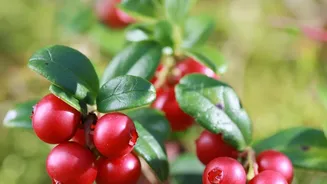







What is This Wild Winter Berry?
Known locally as Beri or 'Jharberi', this fruit is a wild variety of the Indian jujube, scientifically named Ziziphus nummularia. Unlike its cultivated, larger cousin (Ziziphus mauritiana), this is a smaller, shrub-like plant that thrives in the arid
and semi-arid landscapes of Rajasthan. The fruit itself is a small, round drupe that ripens to a reddish-brown or black-red colour in the winter. Its flavour is a delightful mix of sweet and tangy, with a crisp texture when fresh that becomes chewy as it dries. This wild berry has been a part of the local ecosystem and diet for centuries, often called the 'apple of the forests' by local communities.
The Unique Terroir of the Dang Forest
The Karauli-Dholpur region of eastern Rajasthan is home to the Dang, a rugged landscape characterized by ravines, arid plains, and hardy vegetation. This challenging environment is precisely what gives the wild Beri its distinctive character. The plant grows naturally without any need for farming, irrigation, or fertilisers, drawing its sustenance from the harsh climate and soil. This resilience makes it a vital source of food for both local communities and wildlife, especially during the lean winter months. Herdsmen and villagers have relied on this foraged fruit for generations as a source of sustenance that costs nothing but the effort to collect it.
A Powerhouse of Nutrition
Don't let its small size fool you; the wild Beri is a nutritional heavyweight. It is exceptionally rich in Vitamin C, with levels reportedly higher than those found in apples. This makes it a natural immunity booster, perfect for fending off winter colds. The fruit is also a good source of dietary fibre, which aids digestion, and contains essential minerals like potassium, calcium, and phosphorus. Traditional Ayurvedic and folk medicine systems have long valued the fruit and other parts of the plant for their various health benefits, including anti-inflammatory and antioxidant properties.
From Traditional Pickles to Modern Plates
For centuries, the primary use for wild Beri has been in traditional Rajasthani kitchens. It is most commonly eaten fresh as a simple, tangy snack. It is also sun-dried and ground into a powder, which is then used to make spicy and sour chutneys that pair perfectly with bajra rotis. Pickling is another popular method of preservation, creating a condiment known as 'Ber ka Achar'. Now, as the interest in hyperlocal and indigenous ingredients grows across India, this humble berry is finding new life. Chefs and food enthusiasts are exploring its potential beyond traditional recipes, appreciating its unique flavour profile as a natural souring agent or a star ingredient in new dishes, mirroring the journey of other wild Indian fruits like Karonda and Phalsa.
A Symbol of Sustainable Heritage
The wild Beri of the Dang forest is more than just a fruit; it's a symbol of ecological harmony and cultural heritage. Its ability to thrive in a tough environment makes it a crucial part of the local food chain, sustaining both people and animals. The renewed focus on such foraged foods highlights a growing movement towards celebrating India's immense biodiversity and the culinary wisdom embedded in its rural communities. By bringing ingredients like the wild Beri into the spotlight, we not only discover new flavours but also support the preservation of the ecosystems and traditions that produce them. It's a reminder that sometimes, the most exciting ingredients aren't found in a supermarket, but in the wild landscapes of the country.