



The Allure vs. The Reality
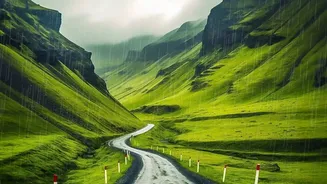
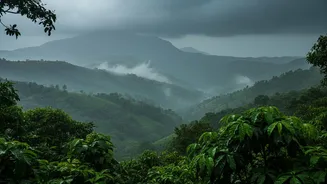
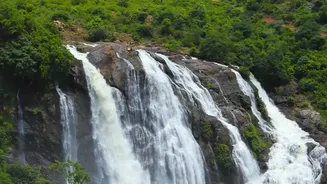
There is nothing quite like the Western Ghats in the monsoon. The transformation is magical, as dusty brown slopes erupt into a thousand shades of vibrant green. For road trip enthusiasts, this season offers a chance to see popular destinations like Lonavala,
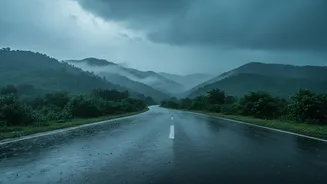
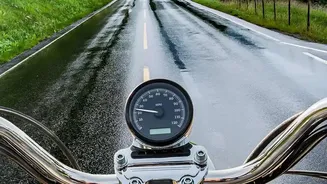
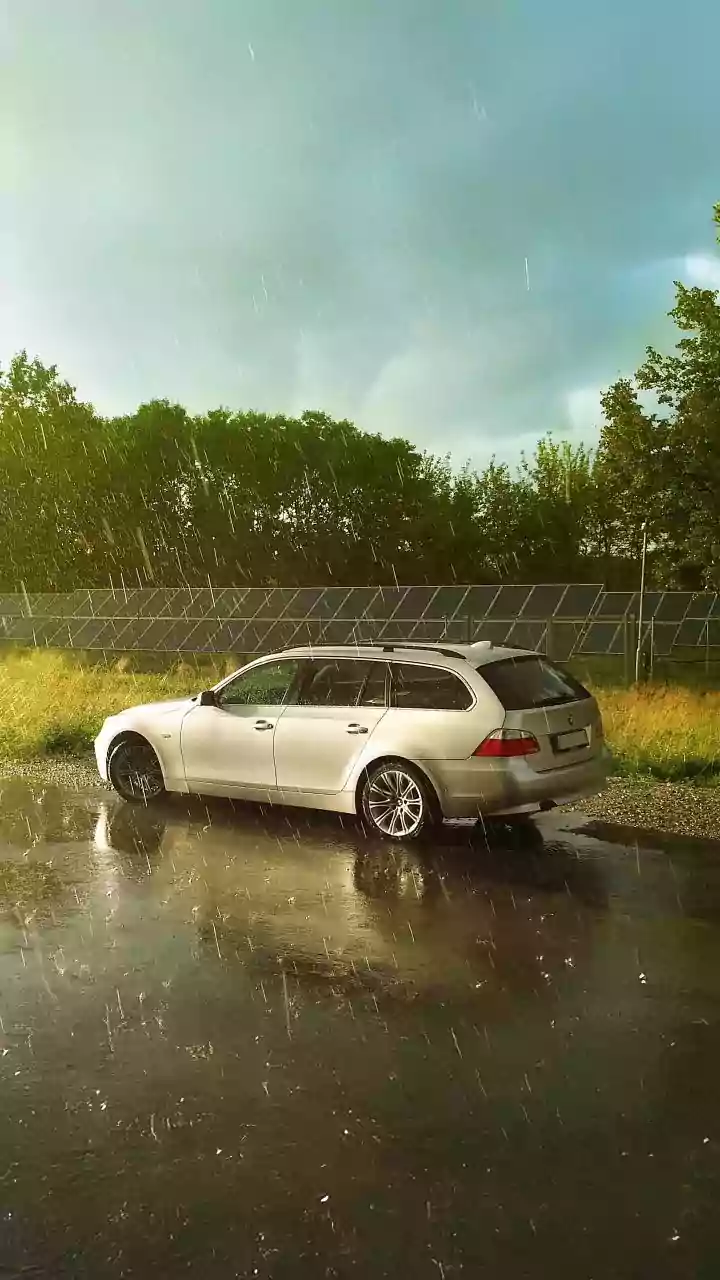
Mahabaleshwar, and Goa in their most dramatic and beautiful state. The promise of chai and pakoras at a roadside stall overlooking a misty valley is a powerful draw. However, the reality of driving during this season can be far from romantic. The same rains that bring the landscape to life also create significant hazards. Poor visibility from fog and downpours, slippery roads that increase braking distances, and the ever-present risk of waterlogging and landslides can turn a scenic drive into a dangerous ordeal. Authorities frequently issue alerts, and what starts as a fun getaway can end with being stranded for hours.
High-Risk Routes to Watch
While most routes require caution, some iconic road trip corridors in Maharashtra and Goa become particularly treacherous during heavy spells. The Mumbai-Goa Highway (NH-66) is a major concern, with sections prone to landslides, especially in ghat areas like Parshuram Ghat, and significant waterlogging that can bring traffic to a complete standstill for hours. Similarly, the popular Mumbai-Pune Expressway often experiences disruptions from landslides and heavy fog, particularly around the Lonavala-Khandala section. Other routes that demand extreme caution include the ghats that connect the coast to the plateau, such as Tamhini, Amboli, and Varandha. These narrow, winding roads are highly susceptible to falling boulders and erosion, and are often the first to be closed by authorities during red or orange alerts issued by the India Meteorological Department (IMD).
Your Pre-Trip Safety Checklist
A safe monsoon trip begins long before you turn the ignition key. Proper preparation is non-negotiable. First, give your vehicle a thorough check. Ensure your tyres have adequate tread to grip wet roads and prevent aquaplaning. Your brakes, headlights, and, most importantly, windscreen wipers must be in perfect working condition. Next, pack an emergency kit. This should include a powerful torch, a basic first-aid kit, a tow rope, and extra food and water in case you get stranded. A power bank for your phone is also essential. Before you leave, check the latest weather forecasts from the IMD and look for real-time traffic advisories from local police or highway authorities. If heavy or extremely heavy rainfall is predicted for your route, the safest decision is to postpone your trip.
Driving Rules for the Rain
Once on the road, your driving style needs to adapt to the conditions. The single most important rule is to slow down. Wet roads significantly increase your vehicle’s stopping distance. Maintain at least double the usual distance from the car in front of you. Use your low-beam headlights even during the day to improve your visibility to other drivers. Avoid sudden acceleration or hard braking, as this can cause you to skid. One of the biggest dangers is waterlogged roads. Never attempt to drive through a flooded patch if you cannot gauge its depth; it might be deep enough to stall your engine or even sweep your vehicle away. In hilly areas, be extremely vigilant for falling rocks or mud, and avoid parking your car near steep slopes or under large trees. If visibility drops to near-zero in heavy rain or fog, the safest option is to find a secure spot to pull over and wait for conditions to improve.