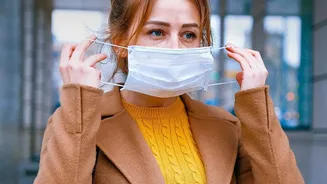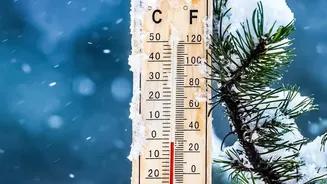






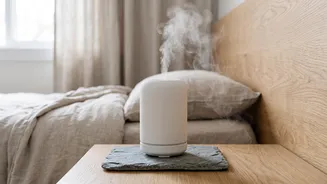
As winter's chill sets in, the familiar symphony of coughs and sneezes follows. It’s not your imagination; respiratory illnesses do spike. But it’s not the cold itself that makes you sick. So what is it about winter that helps viruses thrive?
How Winter Air Gives Viruses an Advantage
The primary
reason for the seasonal surge in sickness is not the temperature itself, but the air quality that comes with it. Winter air is typically much drier. This low humidity creates a perfect storm for viruses like influenza. When someone coughs or sneezes, the respiratory droplets they expel contain virus particles. In humid air, these droplets are heavier, causing them to fall to the ground more quickly. However, in cold, dry air, the droplets evaporate faster, leaving tiny, lightweight viral particles to hang in the air for much longer. This increases the chances of them being inhaled by someone else. Studies have shown that influenza virus particles retain significantly more of their infectious capacity at lower humidity levels, making transmission more efficient. Some research also indicates that the cold temperature itself can make the outer shell of a flu virus more solid and rubbery, which may protect it and make person-to-person spread easier.
Our Bodies' Defenses in the Cold
Our own physiology plays a role, too. The human nose has a remarkable, built-in defense system. The mucus layer in our nasal passages is meant to trap inhaled pathogens, while tiny hairs called cilia work to clear them out. But exposure to cold, dry air can impair this process. The cold air can dry out the mucous membranes, making them less effective at blocking viruses and potentially creating tiny cracks where germs can enter. Recent research has even uncovered a specific immune response inside the nose that is inhibited by colder temperatures. When the front of the nose gets colder, its ability to fight off respiratory viruses is reduced, giving pathogens an easier entry point into our bodies.
The Great Indoors and Proximity Problem
Beyond the science of air and biology, our behaviour during winter is a major contributing factor. When the temperature drops, people naturally spend more time indoors, often in close proximity to one another in homes, offices, and on public transport. These crowded, often poorly ventilated spaces are ideal environments for respiratory viruses to spread from person to person. Think about it: you are far more likely to be within the six-foot radius of an infected person's cough or sneeze when you are sharing an enclosed room for hours at a time. This increased indoor crowding is a simple but powerful driver of the winter spike in illnesses, creating more opportunities for transmission than when people are spread out outdoors during warmer months.
Hygiene: The Constant and Critical Defence
While we cannot control the weather or humidity, we have complete control over our personal hygiene, which remains the most crucial line of defence against seasonal illness. Respiratory viruses can live on surfaces for several hours, and we often get sick by touching a contaminated surface—like a doorknob or handrail—and then touching our eyes, nose, or mouth. This is where simple, consistent habits make all the difference. Good hygiene is the core prevention strategy recommended by public health experts to lower your risk, no matter the season. The power to prevent the spread of germs is, quite literally, in your hands.
Actionable Steps for a Healthier Winter
Putting effective hygiene into practice is straightforward. The most important habit is frequent and proper handwashing. Scrub your hands with soap and water for at least 20 seconds, ensuring you clean between your fingers and under your nails. If soap and water aren't available, use a hand sanitiser with at least 60% alcohol. Make a conscious effort to avoid touching your face, especially your eyes, nose, and mouth, as this is a primary route for germs to enter your body. Additionally, always cover your mouth and nose with a tissue or your elbow when you cough or sneeze to prevent spreading your own germs. Finally, if you do feel unwell, staying home is a vital step to protect your community and limit the spread of illness.