



An Ancient Answer to a Modern Problem
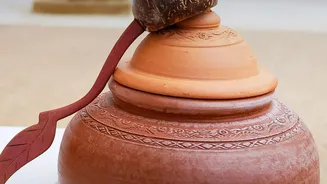
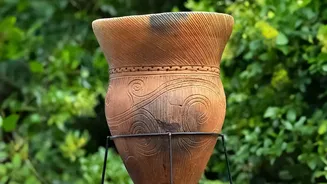
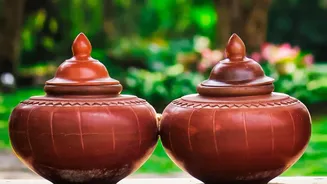
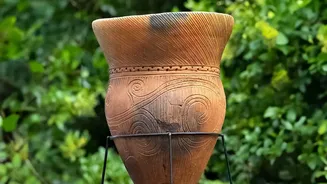
An olla (pronounced 'oy-yah') is an unglazed, porous clay pot that is buried in the soil and filled with water. This method of irrigation isn't a new invention; it dates back thousands of years and has been used by civilizations in North Africa, China,
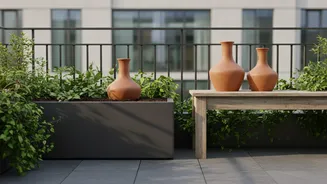
and the Americas to grow crops efficiently in arid climates. Today, this time-tested technique is experiencing a resurgence among urban gardeners who face the unique challenges of container gardening, especially on sun-baked balconies and rooftops where pots can dry out in a matter of hours.
How Ollas Work: The Science of Slow Sipping
The magic of the olla lies in its porous terracotta walls. When an olla is filled with water and buried, the water doesn't flood the soil. Instead, it seeps slowly through the clay, drawn out by a process called soil moisture tension. Essentially, the plant's roots and the dry soil around them "pull" water from the pot only when needed. When the surrounding soil is moist, the water stays inside the olla. This self-regulating system prevents both under-watering and over-watering, creating the perfect moisture balance for your plants. It's a highly efficient method that delivers water directly to the root zone, where it’s needed most.
Big Benefits for Balcony Containers
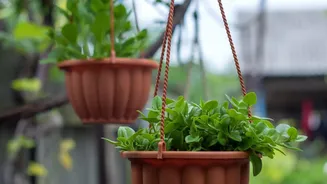
Container gardens dry out much faster than in-ground beds, making consistent watering a daily chore in hot weather. Ollas offer several key advantages for these small spaces. Firstly, they dramatically reduce water waste. By delivering water underground, surface evaporation is almost entirely eliminated, saving up to 70% of water compared to surface watering. Secondly, they promote healthier plants. The slow, deep watering encourages roots to grow deeper and stronger, making plants more resilient to heat stress. Finally, they save you time. Instead of daily watering, you may only need to refill your olla once or twice a week, depending on the weather and plant needs.
Getting Started with Ollas in Pots
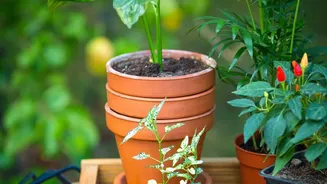
Using an olla in a balcony pot is simple. For a container up to 24 inches in diameter, a single olla is usually sufficient. Choose an olla size that leaves enough room for your plant's roots. Bury the olla in the center of the pot, leaving only its neck exposed above the soil to prevent dirt from getting in. Then, plant your thirsty plants, like tomatoes or basil, around it. For the first couple of weeks after planting seeds or starts, you may need to supplement with some surface watering until the roots are established enough to draw from the olla. After that, just keep the olla filled and let it do the work.
What to Plant and How to Maintain
Ollas work best for plants that prefer consistent moisture and have fibrous root systems. Vegetables like tomatoes, peppers, and squash, as well as many herbs like basil and mint, thrive with this irrigation method. Maintenance is minimal. Simply check the water level every few days and refill as needed. A lid is essential to prevent mosquitoes from breeding and to reduce evaporation. Do not add liquid fertilizers to the olla, as this can clog the clay's pores. At the end of a growing season, you can dig up the olla, clean it, and store it for the next year.