



The Initial Hunt for Shadows
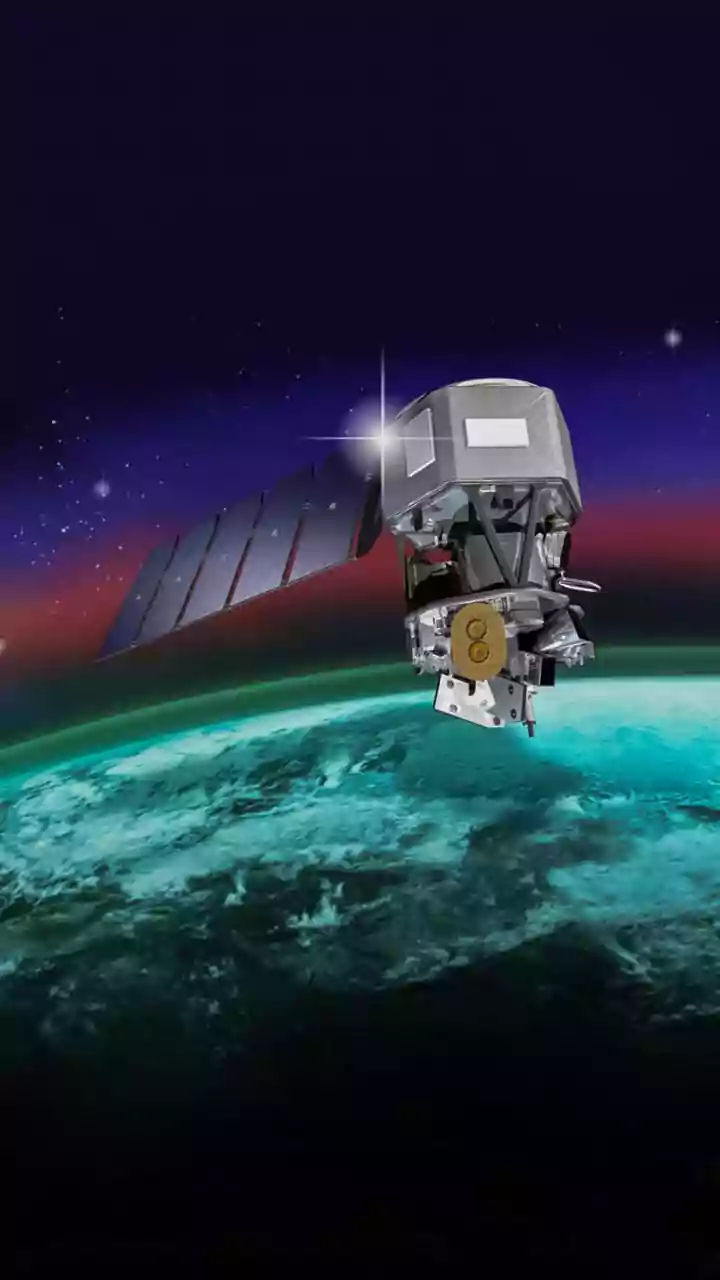
The journey begins with discovery, most often using the 'transit method'. Missions like NASA's Transiting Exoplanet Survey Satellite (TESS) monitor hundreds of thousands of stars, watching for tiny, periodic dips in their brightness. This dimming can
indicate a planet passing in front of its star. But not every dip is a planet; it could be a background binary star system or other phenomena. Scientists use automated software, machine learning, and follow-up observations to vet these 'planet candidates' and filter out the false positives, a crucial first step before a candidate becomes a confirmed exoplanet.
Location, Location, Habitable Zone
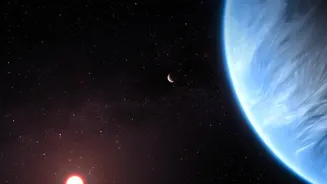
Once a planet is confirmed, the first major filter is its location. Scientists focus on worlds orbiting within the 'habitable zone' — often called the 'Goldilocks zone'. This is the region around a star where conditions are 'just right' for liquid water to potentially exist on a planet's surface, a key ingredient for life as we know it. This zone's distance and size depend entirely on the star; for a small, cool star, the habitable zone is much closer than it is for a large, hot star like our Sun.
Size and Composition Matter
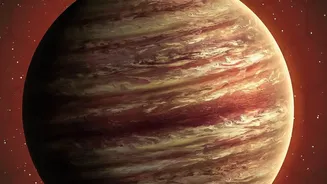
Being in the right zone isn't enough. The planet itself must be the right type. The search for habitability prioritizes rocky, terrestrial planets over gas giants like Jupiter. By measuring how much starlight a planet blocks (its transit depth) and how much it makes its star 'wobble' (the radial velocity method), astronomers can determine the planet's radius and mass. This allows them to calculate its density and infer whether it is a rocky world like Earth or a gas giant. Generally, planets with a radius less than twice that of Earth are considered the most promising targets.
Judging a Planet by Its Star
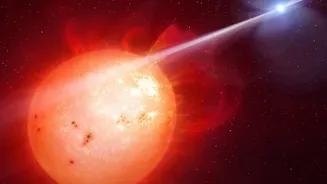
The host star plays a massive role in a planet's potential for life. Many promising rocky planets have been found orbiting M-dwarf stars, which are smaller, cooler, and the most common type of star in our galaxy. Their smaller size makes detecting Earth-sized planets easier. However, M-dwarfs can be volatile, blasting their close-orbiting planets with intense stellar flares and radiation, which could strip away atmospheres and make life difficult. A stable, Sun-like star is often seen as a safer bet, but the sheer number of M-dwarfs and their planets makes them impossible to ignore.
The Ultimate Test: Sniffing Out the Atmosphere
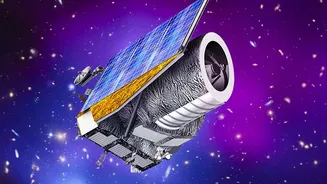
'Further investigation' ultimately means analysing a planet's atmosphere. This is the primary mission for powerful tools like the James Webb Space Telescope (JWST). Using a technique called transmission spectroscopy, the telescope observes starlight that has been filtered through a planet’s atmosphere. Molecules in the atmosphere absorb specific wavelengths of light, leaving behind a chemical 'fingerprint' in the spectrum. Scientists then look for 'biosignatures' — gases like oxygen, methane, and water vapour that could indicate the presence of biological processes. Detecting these gases is the ultimate goal, turning a promising candidate into a world worthy of intense focus in the search for life.