




More Than Just Tea
In the West, ordering a “chai tea” is common, but for over a billion people, that’s like saying “tea tea.” The word “chai” simply means tea in Hindi and many other languages across the subcontinent. But when someone in India offers you chai, they’re almost
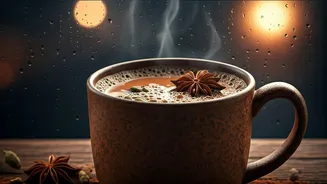
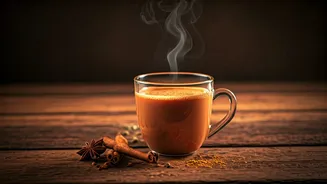
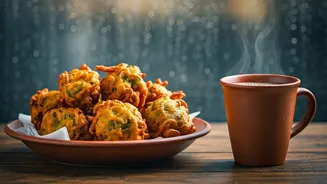
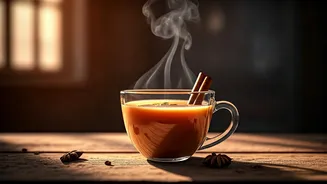
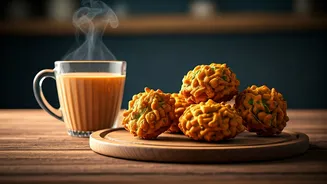
never talking about a simple bag of black tea in hot water. They’re offering a cup of masala chai: a strong, sweet, milky brew, simmered to perfection with a blend of aromatic spices. This is the concoction that fuels the nation—a drink so deeply woven into the fabric of daily life that it’s less a beverage and more a social institution. It’s the punctuation mark in a busy day, the catalyst for conversation, and a warm hug in a cup.
A History Brewed Over Centuries
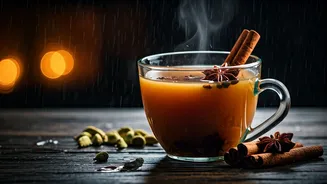
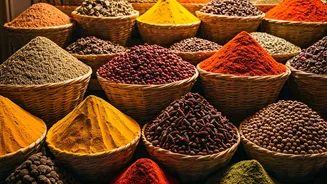
The story of chai is a fascinating tale of cultural adaptation. While tea has been grown in India for centuries, primarily used in Ayurvedic traditions for its medicinal properties, the chai we know today is a more modern invention. In the 19th century, the British East India Company began establishing vast tea plantations in Assam and Darjeeling to break China’s monopoly on the global tea trade. They aggressively marketed tea to the Indian population, but it was initially met with lukewarm interest. Indians found the bitter brew unpalatable and expensive. The genius stroke came from Indian ingenuity. Street vendors, or ‘chaiwallahs,’ started adding milk, copious amounts of sugar, and a blend of local spices like ginger, cardamom, cloves, and cinnamon. This not only masked the bitterness of the strong, lower-grade tea leaves but also created a uniquely delicious and affordable beverage. It transformed a colonial import into a quintessentially Indian drink. What began as a marketing push by the British was ultimately claimed and perfected by the Indian people.
The Social Elixir
You cannot understand modern India without understanding the role of chai. It is the country's great social lubricant. At roadside stalls, known as ‘tapris,’ people from all walks of life—from CEOs in luxury cars to daily wage labourers—stop for a quick cup. It’s a great equaliser. Business deals are sealed over chai, friendships are forged, and political debates rage from one small glass to the next (the term ‘chai pe charcha,’ or ‘a discussion over tea,’ is a political phenomenon). At home, it’s the first thing offered to any guest, a non-negotiable gesture of hospitality. In offices, the mid-afternoon chai break is a sacred ritual, a moment to decompress, gossip, and recharge. It’s the drink of celebration and the comfort for sorrows, marking the rhythm of the day for millions.
Reinvented but Never Replaced
In a globalised world, chai has travelled far beyond India’s borders. The ‘chai latte’ found in coffee shop chains worldwide is a testament to its global appeal, even if it’s a much sweeter, milder cousin of the original. Back home, a new generation of boutique cafes and artisanal brands are experimenting with gourmet blends, offering everything from chocolate chai to hibiscus chai. Yet, despite these innovations, the classic masala chai remains supreme. The humble, home-brewed cup or the one served in a small, unglazed clay ‘kulhad’ by a street vendor still holds the top spot in the nation’s heart. These new versions are additions, not replacements. They prove the versatility of chai, but they also highlight the unshakeable power of the original. The core flavours—strong tea, warm milk, sweet sugar, and fragrant spices—are a formula that simply cannot be improved upon for its purpose.