




An Economy Reliant on Blue Skies
Jaipur, Jodhpur, and Udaipur form the glittering core of Rajasthan's tourism-driven economy. Millions of domestic and international visitors flock here, powering hotels, restaurants, and countless livelihoods. This entire ecosystem, however, is exceptionally
fragile and weather-dependent. Recent years have shown how quickly extreme weather can cripple the industry. Severe heatwaves have led to widespread trip cancellations and a drastic drop in hotel occupancy rates, with some reports indicating a plunge to as low as 20-25%, compared to 50% in previous years. Corporate travel and family holidays, once common even in summer months, are being rescheduled as businesses and tourists alike shy away from the risks of scorching temperatures. The financial distress is palpable, forcing many establishments to cut operational costs and place staff on long leaves.
The New Climate Reality: Heat and Flood
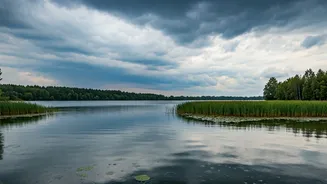
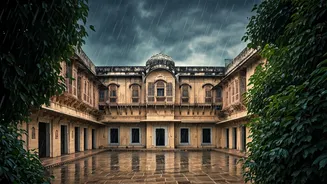
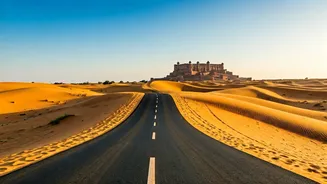
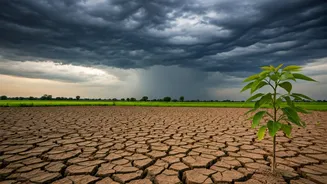
The state's climate is becoming more volatile, swinging between two dangerous extremes. On one hand, blistering heatwaves are arriving earlier and with greater intensity. Temperatures soaring towards 50 degrees Celsius are no longer freak events, creating severe public health risks and rendering daytime activities unbearable. On the other hand, the monsoon season has become increasingly erratic. Instead of steady, predictable rain, the region now often experiences intense deluges over short periods. This has led to unprecedented urban flooding in cities like Jodhpur, Jaipur, and Udaipur, which are not historically equipped for such events. Streets turn into rivers, homes are inundated, and critical infrastructure like railway tracks are submerged, bringing daily life to a standstill. These events highlight a pattern of increasingly unpredictable and damaging weather across the state.
The Problem with One-Size-Fits-All Forecasts
While the India Meteorological Department (IMD) has made significant strides in improving forecast accuracy nationwide, the unique challenges of these Rajasthani cities demand a more granular approach. A regional forecast, while useful, often fails to capture the microclimates within a sprawling city. The difference of a few degrees or a sudden downpour in one part of Jaipur while another remains dry can have major consequences. This is where hyper-local forecasting—providing street-level or neighbourhood-specific predictions—becomes critical. Such systems can warn specific districts of impending flash floods, allowing for targeted traffic diversions and emergency response. They can alert outdoor attractions and event organizers to an incoming dust storm, like the massive ones that have recently engulfed the region, or provide precise heat stress warnings for vulnerable neighbourhoods.
Smarter Forecasts for a Resilient Future
Implementing hyper-local weather systems in these three cities would be a game-changer. For the tourism sector, it would mean the ability to give visitors accurate, real-time guidance, enhancing safety and improving experiences. Hotels could manage resources better, and tour operators could adjust itineraries based on precise conditions. For urban planners and disaster management teams, the benefits are even more profound. Pinpoint rainfall alerts could trigger automated actions like activating flood pumps and clearing drainage systems in at-risk areas. Early warnings about extreme heat would enable public health officials to set up cooling centers and issue timely advisories, saving lives. India is already developing advanced AI-powered models capable of delivering such high-resolution forecasts, with pilot projects underway. Prioritizing Jaipur, Jodhpur, and Udaipur as the next recipients of this technology is a logical and necessary step.