




What Exactly Is the Shoulder Season?
In the world of travel, there are three main periods: the peak season, the off-season, and the 'shoulder season' that sits comfortably in between. It's that sweet spot just before the main rush begins or right after it ends. Think of it as the weeks bordering
the most popular times to visit a place. For many destinations in the Northern Hemisphere, this often means the spring months of March and April, and the autumn months of September and October. However, the exact timing varies depending on the destination, its climate, and its main attractions. For a ski resort, the shoulder season might be early spring, while for a beach town, it could be late autumn.
The Big Wins: Fewer Crowds and Lower Costs
The most significant advantages of shoulder season travel are the noticeable lack of crowds and the friendlier prices. With fewer people visiting, popular attractions, museums, and restaurants are far less congested. This means you spend less time waiting in queues and more time actually enjoying the experience. Financially, it’s a game-changer. Airlines, hotels, and tour operators often reduce their prices to attract visitors during these less busy periods. A destination that might seem out of budget during peak season can suddenly become much more affordable, allowing your money to go further.
India’s Shoulder Season Gems
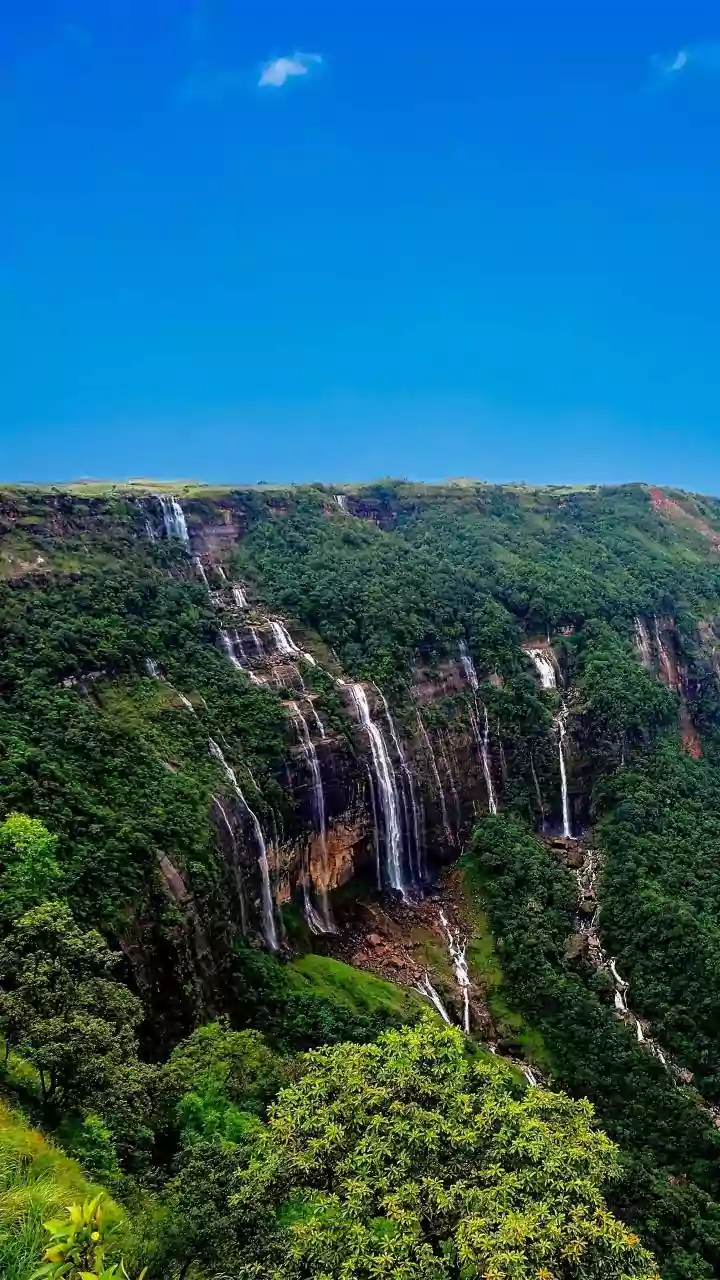
You don’t have to look far to reap these benefits. India has several destinations that are magnificent during their shoulder periods. For much of the country, these windows are typically from September to November and again from February to March. Consider Rajasthan’s majestic forts and palaces in October or February. The weather is pleasant, perfect for exploring Jaipur or Udaipur without the intense summer heat or peak winter tourist rush. The Himalayan states of Himachal Pradesh and Uttarakhand are ideal in April-May or September-October. In spring, the landscape is lush, while in autumn, the post-monsoon skies are brilliantly clear, making places like Rishikesh and Darjeeling more peaceful. Even coastal hotspots like Goa and Kerala are fantastic from September to early November, when the landscape is freshly washed and green after the monsoon and the beaches are serene and uncrowded.
International Escapes Without the Rush
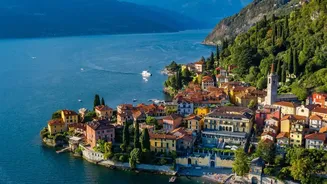
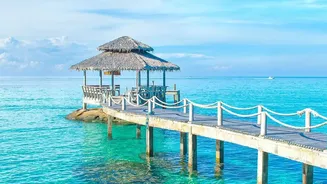
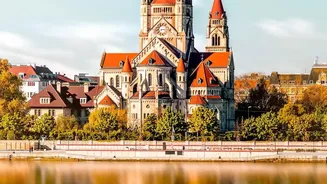
For those looking to travel abroad, the shoulder season offers a chance to see the world more authentically. Many parts of Europe are delightful in May, September, and October. Cities like Rome and Lisbon are still warm but far less crowded than in July and August. Southeast Asia also presents great opportunities, though timing is key due to varying monsoon seasons. Destinations like Vietnam, Thailand, and Bali are popular with Indian travellers and can be more enjoyable during their respective shoulder months. For example, Bali's dry season from April to June offers great weather with fewer crowds than the July-August peak. In Thailand, the months just outside the main tourist rush still offer great experiences, from Bangkok's markets to the beaches of Krabi, often at a better value.
A Few Things to Keep in Mind
While shoulder season travel is largely beneficial, it pays to be prepared. The weather can be more unpredictable than during peak season, so packing layers is always a wise strategy. Some attractions or restaurants, particularly in smaller tourist towns, might have slightly reduced hours or could be closed for maintenance during this slower period. It’s a good idea to check the opening times of must-visit sites in advance. However, these are often minor trade-offs for a travel experience that feels more relaxed, personal, and rewarding. The opportunity to connect with a place and its culture without the filter of overwhelming tourism is an experience that many travellers cherish.