





The Psychology of Warmth and Comfort
The connection between warm food and emotional comfort is deeply ingrained in us. From a young age, warm meals are associated with care, safety, and nourishment provided by loved ones. The texture of cooked vegetables—soft, tender, and easy to eat—requires
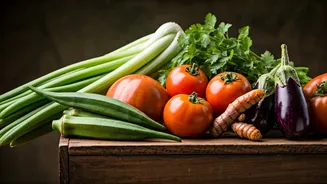
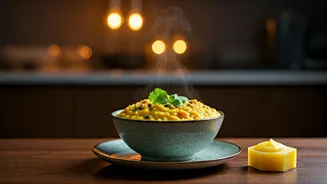
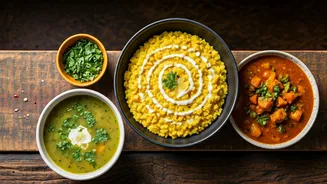
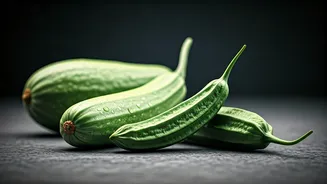
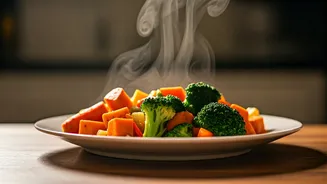
less effort than chewing raw, crunchy foods. This physical ease translates into psychological ease, creating a feeling of relaxation and contentment. A warm plate of food can feel like a hug from the inside, especially on a stressful day or during the monsoon season. This isn't just an old wives' tale; the act of consuming warm food can trigger sensory responses that promote feelings of well-being and security, making your simple plate of bhindi or ghobi feel like the safest space in the world.
A Shield of Food Safety
Beyond the emotional aspect, cooking is one of humanity’s oldest and most effective food safety tools. Raw vegetables, while healthy, can carry harmful bacteria and pathogens on their surface from soil, water, and handling. The simple act of applying heat—whether through boiling, steaming, sautéing, or roasting—is incredibly effective at killing off these microbes, including E. coli and Salmonella. This significantly reduces the risk of foodborne illnesses. In a country like India, where we relish street food but are also cautious about hygiene, the preference for thoroughly cooked meals is also a practical public health instinct. A well-cooked dish provides assurance that what you're eating is not just delicious but also safe.
Unlocking Hidden Nutrients
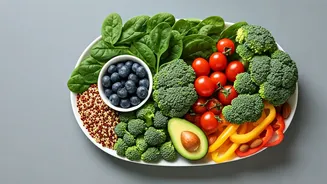
The popular belief that 'raw is always better' is a myth. While it's true that some heat-sensitive vitamins, like Vitamin C, can diminish with prolonged cooking, other nutrients become more accessible to our bodies only after being cooked. For example, cooking tomatoes dramatically increases the bioavailability of lycopene, a powerful antioxidant linked to reduced risk of certain cancers and heart disease. Similarly, cooking carrots, spinach, and other vegetables helps break down their tough cellular walls, making it easier for our bodies to absorb antioxidants like beta-carotene, lutein, and zeaxanthin. The key is to avoid overcooking; light steaming, sautéing, or pressure cooking can soften vegetables just enough to release these nutrients without destroying the more delicate ones.
Kindness to Your Digestive System
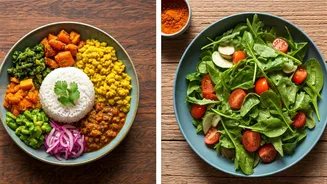
If you've ever felt bloated or uncomfortable after a large raw salad, you've experienced how tough raw vegetables can be on the digestive system. Cooking helps break down complex fibres and cellulose, which humans can't digest easily. This pre-digestion process means your gut has less work to do. For people with sensitive digestive systems, IBS, or other gut-related issues, cooked vegetables are often far more tolerable and less likely to cause gas, bloating, or discomfort. The soft, gentle nature of a well-cooked sabzi or soup allows you to get the nutritional benefits of vegetables without the digestive strain, making them a cornerstone of diets aimed at gut health and healing.
The Magic of Flavour and Tradition
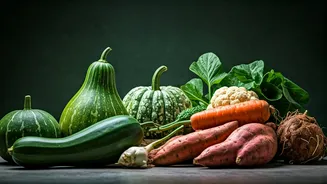
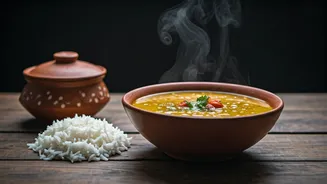
Finally, let's not forget the most obvious reason: taste. Cooking transforms vegetables from their raw, sometimes bitter state into something deeply flavourful and aromatic. The Indian kitchen is a masterclass in this transformation. The magic of a tadka—spices bloomed in hot ghee or oil—infuses vegetables with layers of flavour that are impossible to achieve raw. Slow-simmering a dal with lauki or spinach allows the flavours to meld and deepen into a comforting, cohesive dish. Roasting brings out the natural sweetness in vegetables like sweet potatoes and bell peppers. This culinary alchemy is at the heart of our food traditions, turning humble produce into the memorable dishes that define our family meals and cultural identity.