






More Than Just Second-Hand
Forget the old notion of dusty, second-hand shops. Today’s thrifting culture in India is a curated, digital-first experience. Driven by Gen Z and millennials in cities like Delhi, Mumbai, and Pune, this movement has transformed pre-owned clothing from
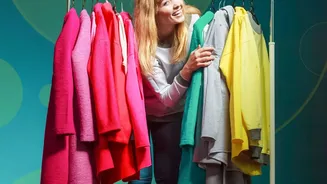
a choice of necessity into a badge of honour. The stigma once attached to wearing used clothes is rapidly fading among the urban youth. Instead, thrifting has become aspirational, a way to signal one’s individuality and eco-consciousness. It’s a blend of the treasure-hunt excitement of street shopping with the convenience of online browsing, offering access to one-of-a-kind pieces that stand out in a world of mass-produced fashion.
The Digital Thrift Bazaar
This boom is powered by social media, particularly Instagram. The platform has become a bustling marketplace for thousands of independent thrift stores, often run by young entrepreneurs themselves. These digital curators meticulously source, style, and sell their collections through posts and reels, creating a boutique-like experience. This online ecosystem makes thrifting accessible to a nationwide audience, allowing a shopper in Delhi to buy a vintage jacket sourced from a market abroad. Using features like timed 'drops' to release new collections, these sellers build hype and a sense of community around their brands, turning shopping into an exciting event. This digital shift has been pivotal in making thrifting a mainstream trend.
A Statement of Sustainability
A major force behind this trend is a growing awareness of fashion's environmental impact. The fast-fashion industry is a significant contributor to global carbon emissions and textile waste. Many young Indians, increasingly conscious of the climate crisis, are rejecting this model of overconsumption. Thrifting offers a direct way to participate in the circular economy, extending the life of a garment and keeping it out of a landfill. For many, choosing a pre-loved item is a conscious act of resistance against wasteful production and a vote for a more sustainable future. Even for those not deeply focused on environmentalism, the idea of reducing waste adds to the appeal.
Individuality at an Affordable Price
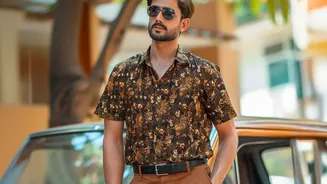
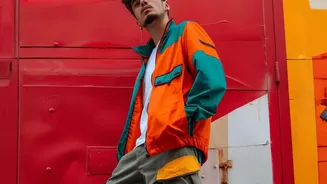
While sustainability is a key motivator, the allure of thrifting is also deeply connected to personal style and economics. In an era of rapidly changing trends and rising costs, thrifting allows young people, especially students and early-career professionals, to experiment with their look without overspending. It offers an antidote to the homogeneity of fast fashion, where the same styles are seen everywhere. Thrifters relish the opportunity to find rare denim, vintage band t-shirts, and unique silhouettes that express their personality. Some even take it a step further, upcycling their finds by embroidering or painting them to create truly custom pieces. This fusion of affordability and exclusivity is a powerful driver of the trend.
Challenges and the Road Ahead
The world of thrifting is not without its challenges. Sourcing quality items can be a risk for sellers, who often deal with import costs and the uncertainty of finding desirable pieces. For buyers, issues like inconsistent sizing and the inability to return items are common hurdles. Furthermore, the digital nature of the business makes sellers dependent on social media algorithms for visibility and sales. Despite these obstacles, the movement shows no signs of slowing down. The secondhand market in India is experiencing unprecedented growth, with some estimates valuing it at thousands of crores annually. As more consumers prioritize ethical choices and unique style, thrifting is poised to become an even more significant part of India's fashion landscape.