



The Power of the Path
In urban planning, there’s a concept called a “desire path.” It’s the unofficial dirt trail you see cutting across a patch of grass—the shortcut people naturally take because it’s more direct than the paved sidewalk. These paths are not mistakes; they
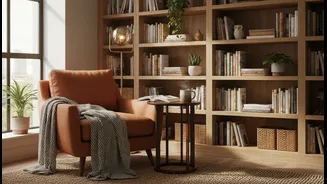
are honest feedback, revealing the route people prefer. Your home has desire paths, too. It’s the spot by the door where keys and mail always accumulate, the armchair you gravitate to with your morning tea, or the path you trace from the refrigerator to the counter. The headline’s wisdom lies here: instead of fighting these natural tendencies, the best approach is to embrace them. The corner you naturally pass and use is already valuable. The goal is to recognise it and make it work for you, not against you.
Stop Fighting, Start Observing
Many of us design our homes based on how we think we should live, not how we actually live. We place the fruit bowl on the dining table, but we eat at the kitchen island. We set up a formal home office, but we work from the sofa. This creates friction—a daily, low-grade battle against our own habits. This is where clutter is born. The coats pile up on a chair because the closet is inconvenient. The books stack on the floor because the bookshelf is in a room you rarely enter. To find your “best corner,” you must first become an observer in your own home. For a few days, pay attention to your movements. Where do you pause? Where do things pile up? Where do you feel most comfortable? Your daily habits and desire paths will point you to the most valuable real estate in your home.
Activate Your Natural Corners
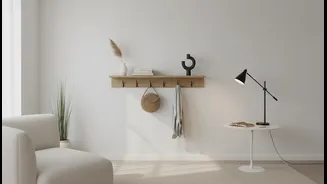
Once you’ve identified a high-traffic spot—a corner of the counter, a space beside your favourite chair, the entryway floor—it's time to activate it. This doesn't require a major renovation; it requires thoughtful enhancements that reduce friction and support your routine. If mail and keys clutter the kitchen counter, designate that spot as a command centre. Place a small, stylish tray for keys and a neat letter holder. If you find yourself always charging your phone on a specific end table, lean into it. Create a dedicated charging station with a simple organiser for cables. The corner you pass on your way to make coffee could become a perfect hot beverage station, with mugs, tea, and a kettle all within arm's reach. By formalising the function that is already happening, you replace clutter with intention.
Designing for Your Real Life
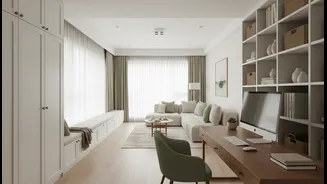
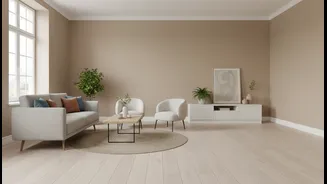
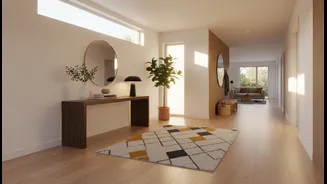
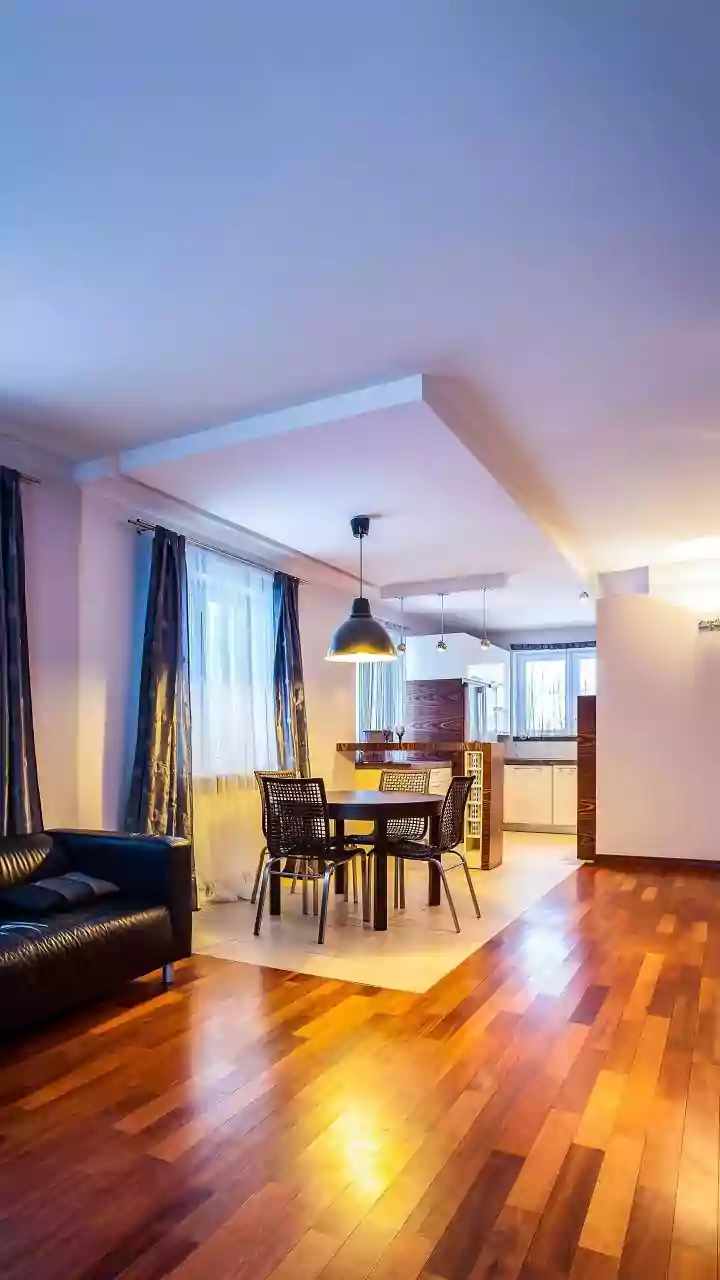
This principle of intuitive design extends beyond just corners. It's about creating a home that is tailored to your personality and lifestyle. This is the core of ergonomics in the home—arranging things to be as safe and efficient as possible to reduce strain. Think about flow. Furniture should be arranged to support your natural desire paths, not obstruct them. This means leaving clear walkways in high-traffic areas and organising your spaces into logical zones for activities like reading, working, or relaxing. For example, arrange living room seating to encourage conversation rather than just defaulting to facing the television. Design your kitchen so the tools you use most are easiest to grab. A home that is designed around your real-life habits feels effortless and supportive, making daily life easier and more enjoyable.
The Corner as a Mindset
Ultimately, the idea of the “best corner” is a mindset that you can apply anywhere. It’s about looking for the path of least resistance and making it beautiful and functional. This applies to your digital life, too. Your computer desktop has desire paths—the folders and apps you use most often. Are they easy to access, or do you have to hunt for them? The concept even applies to our habits. To build a good habit, make the cues visible and easy; to break a bad one, introduce friction. If you want to read more, put a book on the chair you always sit in. If you want to watch less TV, put the remote in a drawer. By observing what you naturally do, you gain the power to gently guide your own behaviour by designing a more intentional environment.