
The Heartland: Mathura and Vrindavan
In the Braj region, where Krishna is believed to have spent his childhood, the offerings are deeply personal and rooted in stories of his love for dairy. The star is Makhan Mishri, a simple yet divine blend of freshly churned white butter and rock sugar
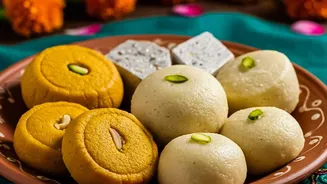
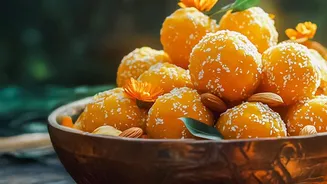
crystals, considered one of Krishna's favourites. Another essential prasad is Dhaniya Panjiri. Unlike typical panjiri made from wheat flour, this fasting-friendly version uses roasted coriander seed powder, mixed with ghee, powdered sugar, dried fruits, and makhana (fox nuts). And no celebration here is complete without the iconic Mathura Peda, a rich, caramelized milk fudge that melts in your mouth.
Maharashtra's Spirited Offering: Gopalkala
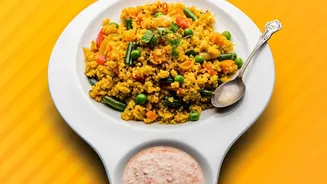
In Maharashtra, the energy of Janmashtami culminates in the Dahi Handi festival, and the food perfectly captures this spirit. The signature dish is Gopalkala, also known as Dahi Poha. This savoury, no-cook preparation is a mix of flattened rice (poha), yoghurt, chopped cucumber, coconut, and sometimes fruits like pomegranate. It is seasoned with a tempering of ghee, cumin seeds, and green chillies. The dish is said to represent the meal Krishna shared with his cowherd friends, blending everything they had together. It is often the very delicacy that is filled inside the Dahi Handi pot, making it a central part of the celebration.
Southern Comforts for Krishna Jayanthi
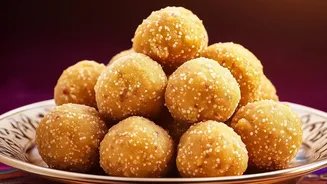
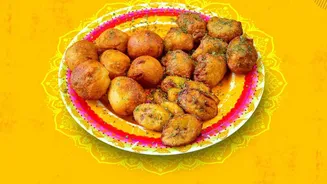
In South India, particularly Tamil Nadu, the festival known as Krishna Jayanthi is marked by intricate culinary preparations. The offerings are a mix of sweet and savoury snacks that require skill and patience. Chief among them are Uppu Seedai (savoury, salted rice flour balls) and Vella Seedai (sweet versions made with jaggery). These small, crispy-fried balls are notoriously tricky to make but are an indispensable part of the tradition. Alongside them, you'll find Thattai (crispy rice flour discs) and Kai Murukku (a hand-twisted crunchy snack), both celebrating the region's mastery over rice-based delicacies. Sweetened flattened rice, or Vella Aval, is another simple but essential offering, honouring the story of Krishna and his friend Sudama.
Eastern India's Sweet Traditions
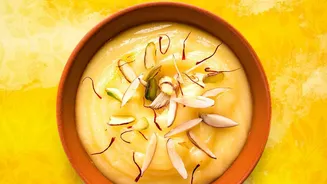
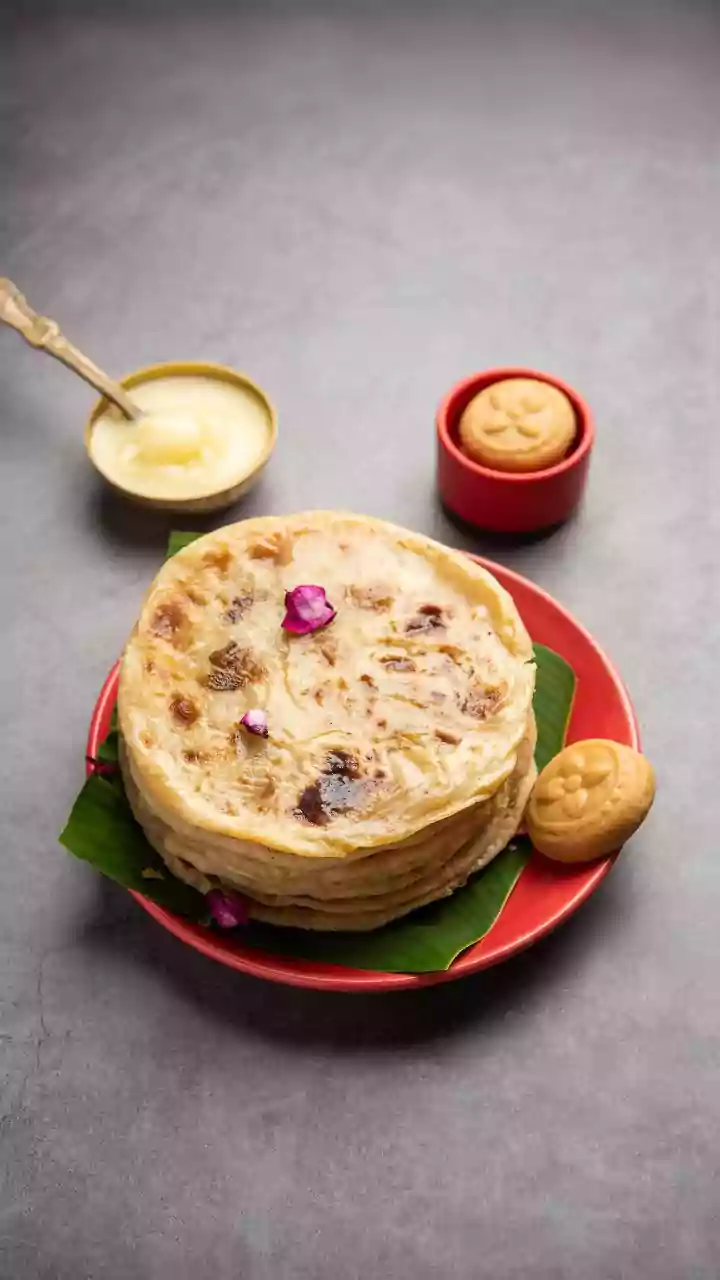
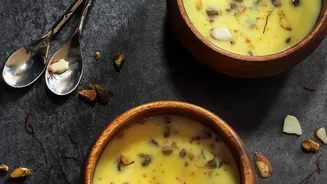
In eastern states like West Bengal and Odisha, Janmashtami celebrations feature sweets that highlight local ingredients. In Bengal, Taler Bora, or deep-fried palm fruit fritters, are a seasonal specialty often prepared for the occasion. The region's love for milk-based sweets also shines through. Offerings often include various kinds of kheers (payasam) and other milk-based desserts like Rabri and Malpua. In Odisha, the Jagannath Temple's Mahaprasad traditions heavily influence the festive food, with a wide array of unique sweets and cooked dishes forming part of the elaborate offerings to the Lord.
The Grand 'Chappan Bhog' Feast
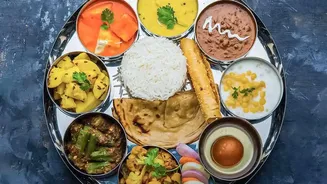
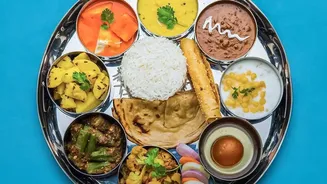
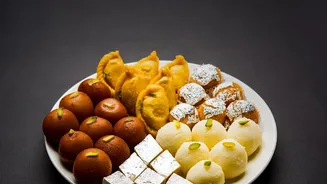
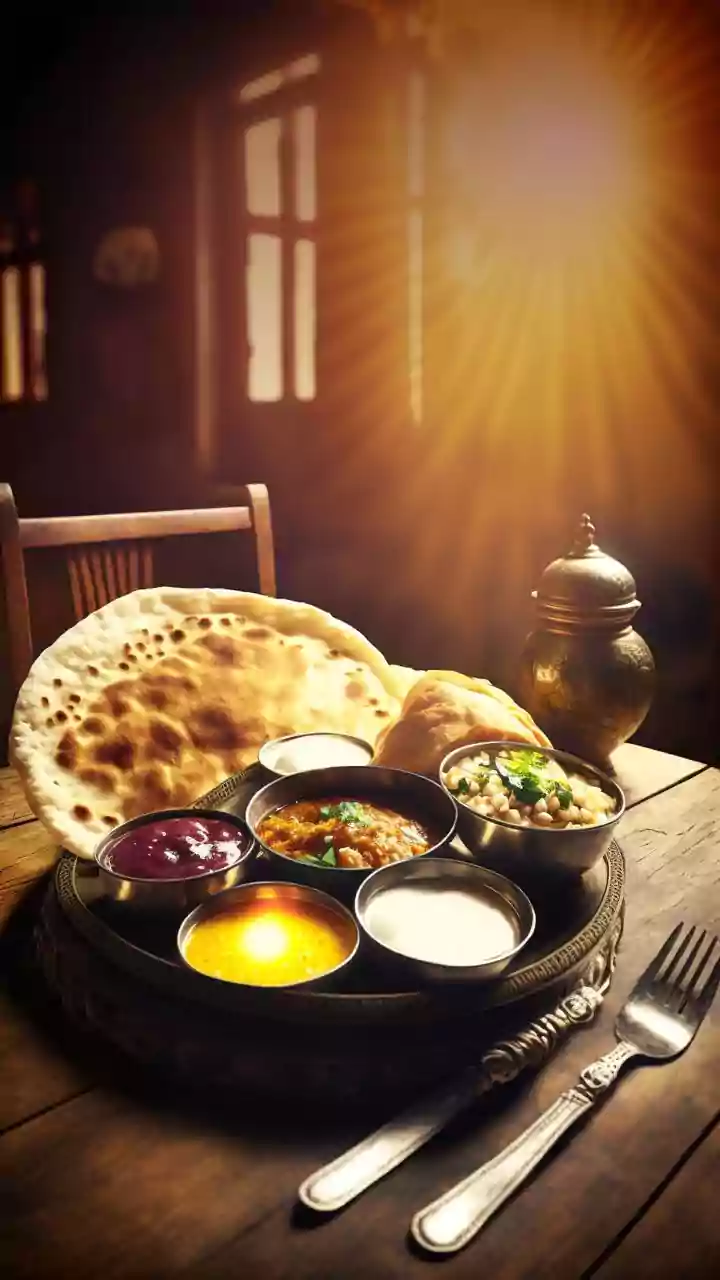
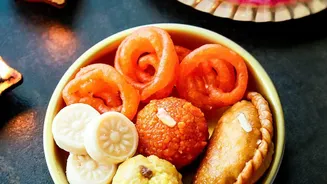
While not tied to a single region, the tradition of offering 'Chappan Bhog' (56 food items) is the most spectacular culinary aspect of Janmashtami. Legend holds that this grand feast was first offered by the villagers of Braj to thank Krishna after he held the Govardhan Hill aloft for seven days, missing his eight daily meals (7x8=56). This offering is a massive platter showcasing a variety of dishes, including sweets, savouries, grains, dairy products, fruits, and drinks. While temple kitchens may prepare the full 56 dishes, households create their own smaller, symbolic versions, ensuring a balanced and heartfelt offering that captures the spirit of abundance and gratitude.