


Saturn: The Jewel of the Night
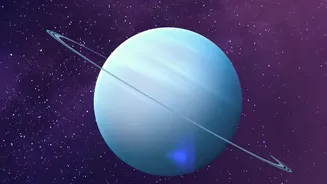
While the headline puts Saturn at the top of the list for August, the planet will actually be at its absolute best a little later in the year. Saturn reaches opposition—the point where Earth passes directly between it and the sun—on October 4, 2026. At
opposition, a planet is at its closest to Earth for the year, making it appear bigger and brighter in our sky. However, the entire period from late August through October is considered an excellent window for observing the gas giant. Throughout August, the yellowish planet will rise in the east during the evening and be visible for most of the night, reaching a high altitude under darkness. Shining brightly, it will be an easy target for the naked eye. If you have a pair of binoculars or a small telescope, you can get an even better view, and a modest telescope may even reveal its iconic rings.
How to Find Saturn and Other Planets
Finding Saturn is straightforward. It will appear as a bright, steady, yellowish point of light. Look towards the eastern sky after sunset. As the night progresses, it will climb higher. On August 4, the waning gibbous moon will pass near Saturn, and again on August 31, which can help you locate it. But Saturn isn't the only planet gracing our skies. August features a 'planet parade' in the pre-dawn hours, with Mars, Jupiter, and Mercury also making appearances. Mars, with its distinct reddish glow, will be visible in the east before dawn. On August 9, the crescent moon will be near Mars, providing a beautiful pairing. Jupiter and Mercury will be tougher to spot, appearing very low on the eastern horizon just before sunrise.
The Peak of the Perseid Meteor Shower
August’s most famous celestial event is the Perseid meteor shower, and 2026 offers perfect conditions. The shower peaks on the night of August 12 and into the early morning of August 13. This year, the peak coincides with the new moon, meaning the sky will be exceptionally dark and ideal for viewing. The Perseids are known for producing bright, fast meteors, and under dark skies, you could see 50 to 90 meteors per hour. The shower is caused by Earth passing through the debris trail left by Comet Swift-Tuttle. For the best view, find a location away from city lights. The biggest challenge for viewing in India can be the monsoon clouds, so areas with clearer skies like Ladakh or the Spiti Valley are ideal. You don’t need any special equipment—just find a comfortable spot, lie back, and look up. The show is best after midnight and into the pre-dawn hours.
Tips for Your Stargazing Night
To make the most of your stargazing session, a little preparation goes a long way. First, get away from city lights; the darker your location, the more you will see. Give your eyes at least 15-20 minutes to fully adapt to the darkness. Avoid looking at your bright phone screen, as this will ruin your night vision. If you need a light, use a red flashlight, which is less disruptive to your eyes. While a telescope is great, you can start with just your eyes or a pair of binoculars. There are also many smartphone apps that can help you identify constellations and planets by simply pointing your phone at the sky. Finally, be patient and comfortable. Bring a chair or blanket, some snacks, and enjoy the cosmic spectacle above.