




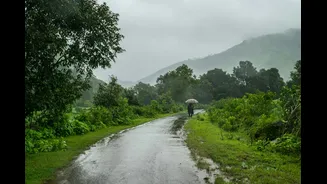
Understanding the Weather Alert
The IMD has issued alerts for heavy rainfall in states including Kerala, Tamil Nadu, Puducherry, and parts of Karnataka and Andhra Pradesh from October 15 onwards. This wet spell is expected to last for several days, potentially until October 20. 'Heavy
to very heavy' rainfall can translate to localised flooding, waterlogging on roads, and potential landslides in hilly regions like the Western Ghats. Gusty winds are also predicted in some areas. Before and during your trip, make it a habit to check the latest updates from the IMD's official website and apps like 'Mausam', 'Meghdoot' for agriculture, and 'Damini' for lightning alerts.
Your Pre-Travel Checklist
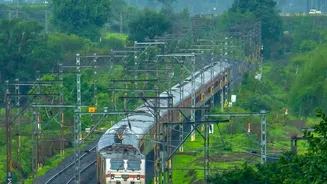
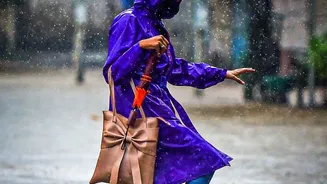
Before you even lock your front door, a few preparatory steps are crucial. First, reconfirm your flight and train schedules, as services can be delayed or cancelled due to weather. Contact your hotel or resort to check the local conditions and accessibility. Pack smart: include lightweight, quick-drying clothes, a sturdy umbrella, and a reliable raincoat. Waterproof footwear with a good grip is non-negotiable to prevent slipping on wet surfaces. It is also wise to pack a mosquito repellent, as stagnant water leads to an increase in mosquitoes. Finally, ensure all your important documents—like tickets, ID cards, and hotel confirmations—are stored in waterproof bags or folders.
Staying Safe on the Road
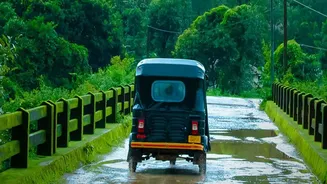
If you are driving, the rules of the road change dramatically in heavy rain. Reduce your speed significantly and maintain a greater distance from the vehicle in front of you, as wet roads increase braking distance. Always drive with your headlights on for better visibility. The most critical rule is to never drive through flooded streets. What looks like a shallow puddle could be hiding deep potholes or open drains, and even a few inches of flowing water can cause you to lose control of your vehicle. If you encounter a flooded road, it is always safer to find an alternative route or wait for the water to recede. If your car is caught in rising water, abandon it and move to higher ground.
Health and Hygiene during Monsoons
The monsoon season can bring health risks, primarily through contaminated water and food. Be extra cautious about what you eat and drink. Avoid street food that has been left uncovered and stick to bottled or boiled water. Walking through stagnant floodwater should be avoided as it can be contaminated and may hide sharp objects or open drains. It's also important to prevent mosquito bites by using repellent and wearing clothes that cover your arms and legs, especially during the evening. Keep a basic first-aid kit handy with essentials like antiseptic liquid, bandages, and any personal medications you require.
Essential Items for Your Emergency Kit
An emergency kit can be a lifesaver in case you get stranded. Your kit should include a fully charged power bank for your mobile phone, a flashlight with extra batteries, and some non-perishable snacks like energy bars or biscuits. Having a supply of clean drinking water is essential. Also, keep a list of emergency contact numbers, including local authorities, your hotel, and the National Disaster Response Force (NDRF). The nationwide number for the NDMA is 1078, while the police can be reached at 100. Having these items readily accessible can provide comfort and safety until conditions improve.