




The Reign of Protein
For the last decade, protein has been the undisputed king of the nutrition world. It's the macronutrient synonymous with strength, fitness, and weight loss. In India, this trend has exploded alongside a burgeoning gym culture and a growing urban middle
class seeking quick wellness solutions. Shelves are lined with protein-fortified everything—biscuits, drinks, even atta. The marketing is brilliant: protein helps you build muscle, stay full longer, and achieve a leaner physique. For a country historically dealing with protein deficiency in some diets, this focus seemed like a welcome correction. The message was simple and powerful: more protein is better.
What Protein Actually Does for You
The hype is rooted in solid science. Protein is the building block of life. Made up of amino acids, it’s essential for repairing cells, building muscle tissue, and producing enzymes and hormones. It’s not just for bodybuilders; every single person needs it for basic bodily functions. The Indian Council of Medical Research (ICMR) recommends about 0.8 to 1.0 gram of protein per kilogram of body weight for the average adult. The problem isn’t the protein itself, but the 'more is more' mentality. Consuming excessive protein, especially from supplements and processed sources, can strain your kidneys and often means you’re neglecting other essential nutrients. The focus has shifted from getting *enough* protein to getting *as much as possible*, which is where the narrative begins to fray.
Enter Fibre, The Unsung Hero
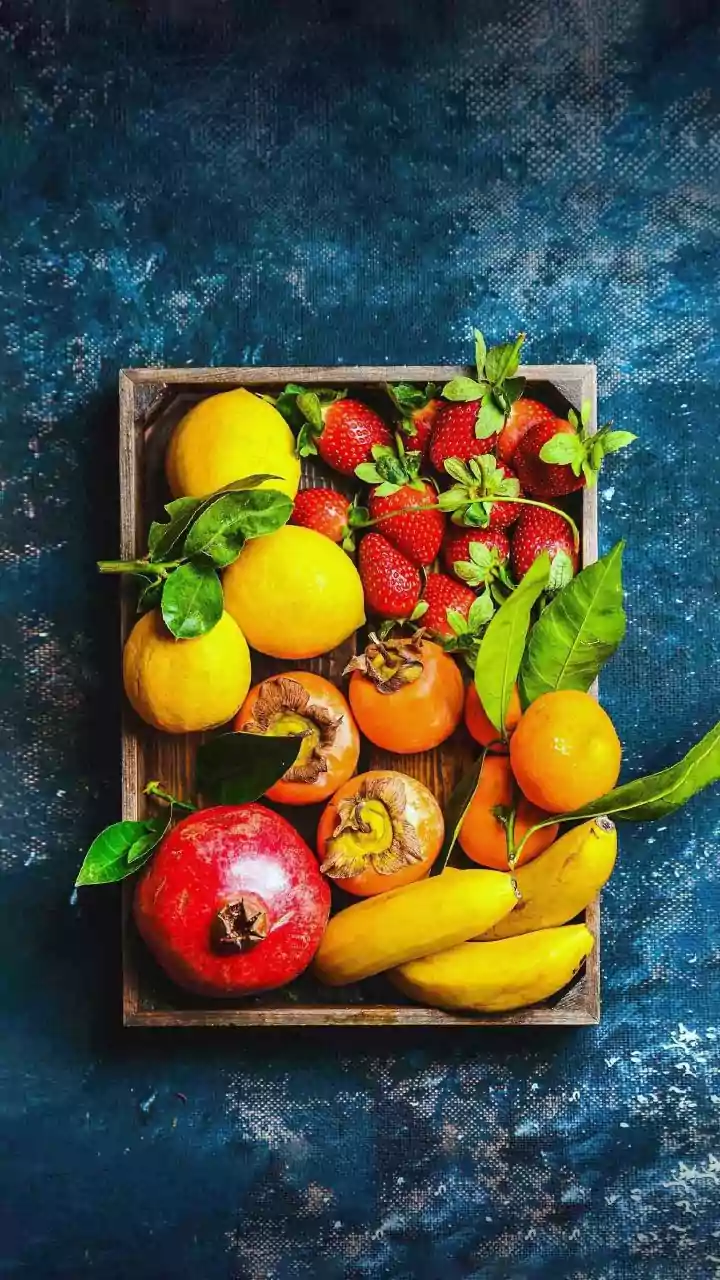
While protein was having its flashy moment, a quieter conversation began to gain momentum, centered on a less glamorous nutrient: dietary fibre. Fibre is the stuff that our bodies can't digest, found in fruits, vegetables, whole grains, and legumes. For years, it was simply known as the nutrient that 'keeps you regular'. But new research, particularly around gut health and the microbiome, has revealed fibre to be a true unsung hero. This isn't a new fad; it’s a return to understanding the power of the foods that have sustained us for generations—the dals, millets, and sabzis that form the foundation of traditional Indian diets.
The Gut-Wrenching Truth About Fibre Deficiency
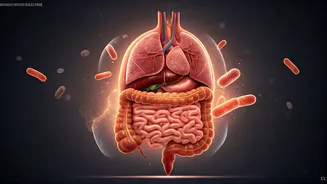
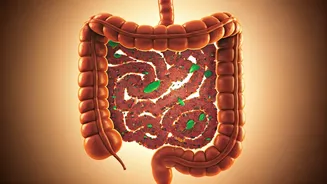
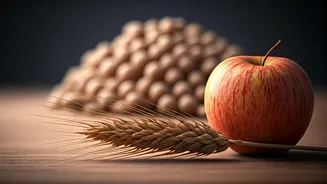
Fibre’s comeback is driven by its profound impact on our overall health. There are two types, soluble and insoluble, and we need both. Soluble fibre (found in oats, apples, beans) dissolves in water to form a gel-like substance that helps lower cholesterol and stabilise blood sugar. Insoluble fibre (in whole wheat, nuts, cauliflower) adds bulk to stool, promoting digestive regularity. But its most exciting role is as a prebiotic—food for the trillions of good bacteria living in our gut. A healthy gut microbiome is linked to everything from a stronger immune system and better mental health to a lower risk of chronic diseases. Unfortunately, the average Indian diet, increasingly reliant on refined grains and processed foods, is often critically low in fibre, well below the recommended 30-40 grams per day.
Protein vs. Fibre: A False Fight
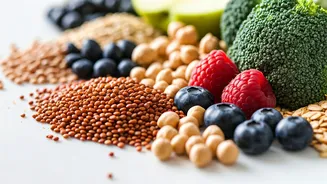
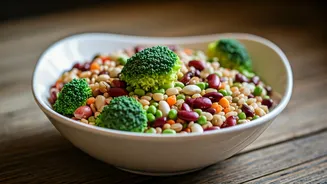
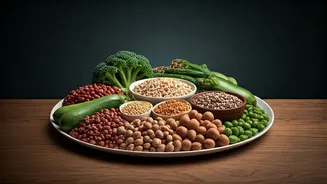
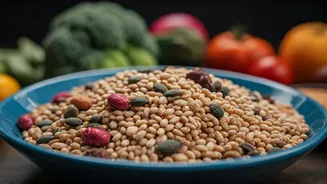
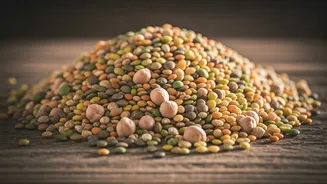
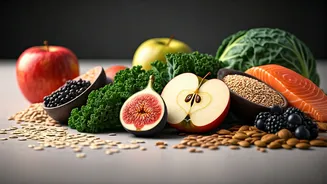
The narrative that pits protein against fibre is fundamentally flawed. This isn’t a battle where you have to pick a side. In fact, they are the ultimate nutritional power couple. Protein builds and repairs the body's structures, while fibre ensures the entire system runs smoothly, from digestion to nutrient absorption. Many of the healthiest foods are naturally rich in both. Think about a simple bowl of rajma or chana. It’s packed with plant-based protein and loaded with fibre. The same goes for lentils, quinoa, and chickpeas. The real issue arises from our modern obsession with isolating single nutrients. A high-protein shake might help you hit your protein goals, but it lacks the fibre, vitamins, and minerals of a whole-food meal.
Finding Your Nutritional Balance
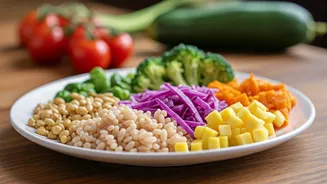
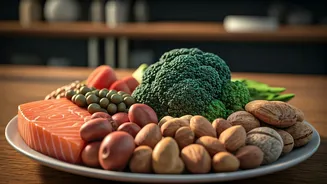
So, how do you get the best of both worlds? The answer is refreshingly simple: focus on whole foods. Instead of obsessing over protein powders, ensure you have a source of quality protein with each meal—like paneer, eggs, chicken, fish, or a generous portion of dal. Instead of just focusing on protein, think about what you can add to your plate. Can you swap white rice for brown rice or millets? Can you add a side of salad or a portion of sauteed vegetables to your lunch? Snack on a piece of fruit or a handful of nuts instead of a processed protein bar. The goal isn't to demonise protein but to put it back in its rightful place: as a vital part of a balanced plate, right alongside its equally important partner, fibre.