




The Hidden Culprit: Your Air Conditioner
During India's hot and humid months, an air conditioner is a necessity. While it provides comfort for us, it creates a desert-like environment for many popular houseplants, especially ferns. Air conditioners work by removing moisture from the air, drastically
lowering the ambient humidity that tropical plants crave. A fern's natural habitat is a shaded, moist forest floor where humidity is consistently high. An AC unit running in a compact apartment can drop humidity levels to as low as 10-15%, while most ferns need at least 40-50% to thrive. This dry air pulls moisture directly from the fern's delicate fronds, causing those dreaded brown, crispy tips, even if you are watering the soil correctly.
Why Misting Is a Fern's Best Friend
Misting is a simple and effective way to replicate the humid conditions your fern loves. By spraying a fine mist of water onto the fronds, you create a temporary microclimate of higher humidity directly around the plant, counteracting the drying effect of the AC. This practice is crucial in drier climates and air-conditioned rooms. Think of it as giving your fern a refreshing drink through its leaves, which helps keep them supple and green. While some debate its effectiveness, most experts agree that for humidity-loving plants like ferns, regular misting provides a necessary moisture boost that watering the soil alone cannot.
The Right Way to Mist Your Ferns
To be effective, misting needs to be done correctly. It's best to mist your plants in the morning. This gives the leaves ample time to dry before nightfall, which helps prevent fungal issues that can arise from prolonged dampness. Use room-temperature water to avoid shocking the plant; filtered or distilled water is even better as it prevents mineral spots from forming on the leaves. If you only have tap water, let it sit out for 24 hours to allow chlorine to evaporate. Aim for a fine spray that lightly coats the fronds, including the undersides. In a heavily air-conditioned room, you may need to mist once or twice a day to maintain adequate humidity.
Beyond Misting: A Holistic Approach to Fern Care
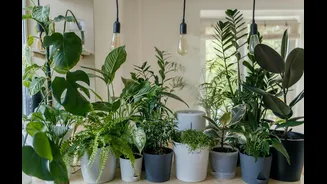
While misting is vital, it works best as part of a complete care routine. Ensure your fern's soil remains consistently moist but not waterlogged—the 'finger test' is your best guide. If the top inch of soil feels dry, it's time to water. Also, consider grouping your plants. Plants release moisture through transpiration, and clustering them together naturally raises the humidity in their immediate vicinity. Another popular technique is the pebble tray: place your pot on a tray filled with pebbles and water, ensuring the pot sits on the pebbles and not in the water. As the water evaporates, it provides a steady stream of humidity.
Popular Ferns for Indian Apartments
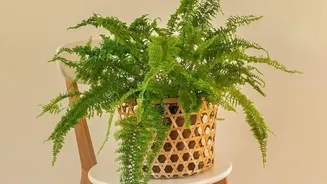
Several fern varieties are well-suited for Indian homes and respond beautifully to proper humidity care. The Boston Fern (Nephrolepis exaltata) is a classic choice, known for its lush, cascading fronds perfect for hanging baskets. The Maidenhair Fern (Adiantum) is incredibly delicate and beautiful, thriving in the high humidity of a bathroom. For smaller spaces, the compact Lemon Button Fern is an excellent option. The Bird's Nest Fern (Asplenium nidus) is also a great beginner-friendly choice, as its wider, glossy leaves are slightly more tolerant of average indoor conditions.