




The Seeds of a Textile Giant
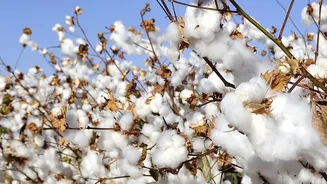
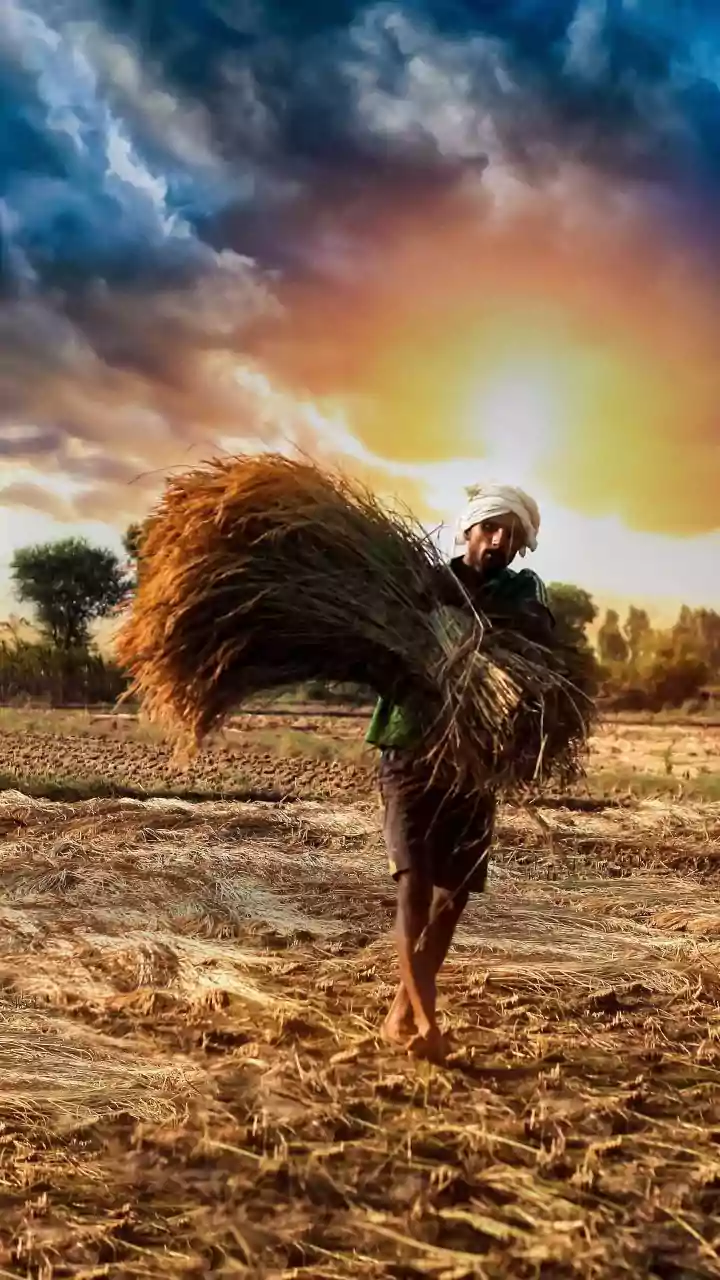
Long before the first industrial mills, Coimbatore was destined for textile greatness. Its history stretches back to ancient trade routes, where its superior cotton was sought after even by Roman senators. The region's natural advantages were undeniable:
rich black soil perfect for cotton cultivation, a moderate climate ideal for spinning, and the vital water supply from the Noyyal River. This combination of factors created fertile ground for a weaving culture to flourish over centuries, setting the stage for the industrial revolution that would transform the city forever.
The Dawn of the Mill Era
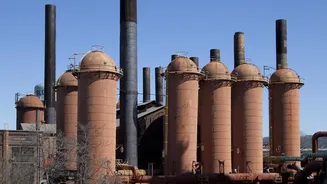
The industrialisation of Coimbatore’s textile trade began in the late 19th century. In 1888, Sir Robert Stanes established the Coimbatore Spinning and Weaving Mills, the city's first modern textile mill. This venture, backed by European bankers and local influencers, marked a pivotal moment. The success of this first mill inspired a wave of local entrepreneurship. Visionaries like G. Kuppuswamy Naidu, founder of the famous Lakshmi Mills, and the PSG Brothers, who established Sri Ranga Vilas Mills, were part of a new generation of industrialists who built on this foundation. The arrival of hydroelectric power from the Pykara project in the early 1930s supercharged this growth, allowing coal-powered machinery to be replaced with more efficient electric power and leading to a boom in mill construction.
Earning the 'Manchester' Moniker
The nickname ‘Manchester of South India’ isn't just a catchy phrase; it reflects a specific industrial history. Manchester, England, was the global epicentre of the textile industry during the Industrial Revolution. Coimbatore earned its comparison by becoming the undisputed leader of the textile trade in the southern part of India. By the mid-20th century, the city was a buzzing hub of spinning mills and weaving centres, producing vast quantities of cotton yarn and fabric. This concentration of textile activity, from raw cotton processing to finished goods, mirrored Manchester's own ecosystem, cementing its reputation as a city built on cotton.
An Entire Ecosystem of Industry
Coimbatore's success was not just about building mills; it was about creating a comprehensive support system. The textile boom spurred the growth of ancillary industries, particularly engineering workshops that manufactured and serviced the mill machinery. This is why Coimbatore is also a major centre for pumps, motors, and foundries today. Furthermore, the industry invested in knowledge and innovation. The establishment of the South India Textile Research Association (SITRA) in 1956 was a landmark event. Sponsored by the industry and supported by the government, SITRA became a world-class institution for textile research, testing, and training, ensuring the entire ecosystem remained competitive and forward-thinking.
Modern Threads and Future Fabrics
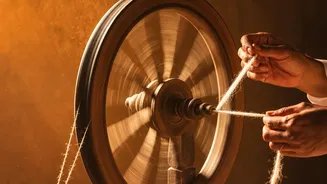
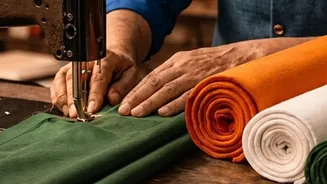
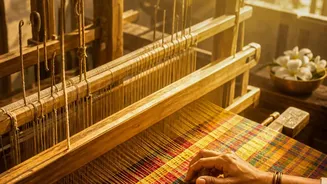
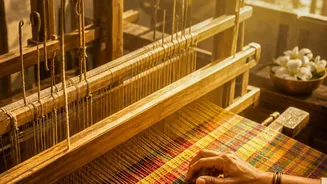
Today, Coimbatore's textile heritage continues to evolve. While traditional cotton spinning and handloom weaving still hold cultural and economic importance, the industry is adapting to new realities. The city is now a key player in the production of knitwear, home furnishings, and technical textiles, including medical textiles. However, the industry faces modern challenges, including intense global competition from countries like China and Pakistan, rising material costs, and the need for a skilled workforce. Despite these hurdles, the spirit of innovation that built the city remains strong. A focus on technology, sustainability, and value-added products is steering the industry towards a new phase of growth, ensuring that the 'Manchester of South India' continues to weave its success story.