







What Exactly is Chrononutrition?
Chrononutrition is a field of science that explores the relationship between when we eat and our body's internal clock, also known as our circadian rhythm. It’s not another restrictive diet focused on calories or food groups. Instead, it suggests that aligning
our meals with our natural daily cycles can have a significant impact on our health, from metabolism to digestion. The core idea is simple: our body is primed to digest and process food more efficiently during the day and is less prepared to do so at night.
Your Body’s Internal Clock and Digestion
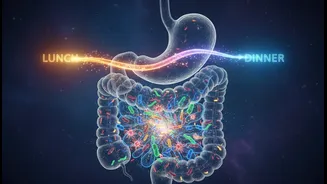
Your body runs on a 24-hour internal clock that governs everything from your sleep-wake cycle to hormone production and, crucially, your digestive system. This clock, primarily regulated by light and darkness, tells your gut when to be most active. During the day, your body is ready for action. It produces more digestive enzymes, and processes like gut motility (the movement of food through your digestive tract) are at their peak. As evening approaches and your body prepares for rest, these functions naturally slow down. Eating out of sync with this rhythm, such as having large, late-night dinners, forces your digestive system to work overtime when it’s trying to wind down.
The Late-Night Bloating Connection
That familiar evening bloat is often a direct result of this timing mismatch. When you eat a heavy meal late at night, the food sits in your digestive system for longer because processes like stomach emptying have slowed. This can lead to increased fermentation of undigested food by gut bacteria, producing excess gas that causes bloating, discomfort, and a feeling of heaviness. Over time, this pattern of late eating doesn't just cause temporary discomfort; it can disrupt your gut health, affect your sleep quality, and even influence your metabolism and weight.
The Early-Bird Advantage: Front-Loading Your Calories
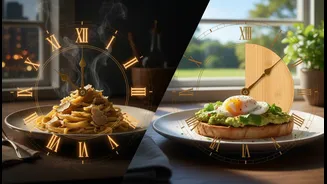
The solution, according to chrononutrition, is to 'front-load' your calories. This means consuming the bulk of your daily food intake earlier in the day. Research suggests that our bodies are simply better at using the energy from food in the morning. One study found that the energy expended to digest a meal, known as diet-induced thermogenesis, is twice as high in the morning compared to the evening. This means you burn more calories processing breakfast than you do the exact same dinner. Eating a substantial breakfast and a moderate lunch when your metabolism is most efficient, followed by a smaller, lighter dinner, works with your body's natural rhythm, not against it. This can lead to better blood sugar control, reduced cravings, and, yes, less evening bloating.
Simple Ways to Align Your Eating
Adopting a chrononutrition approach doesn't require a radical overhaul. Start with small, manageable changes. Try to eat your first meal within a couple of hours of waking up to kickstart your metabolism. Aim to make breakfast and lunch your most substantial meals of the day. Most importantly, try to finish your dinner at least two to three hours before you go to sleep. This gives your body ample time to digest before it enters its nightly rest-and-repair mode. Keeping your meal times relatively consistent from day to day can also help regulate your digestive system and reduce issues like gas and bloating. It's about creating a predictable routine that your gut can rely on.