


The Ultimate Comfort Food Collision
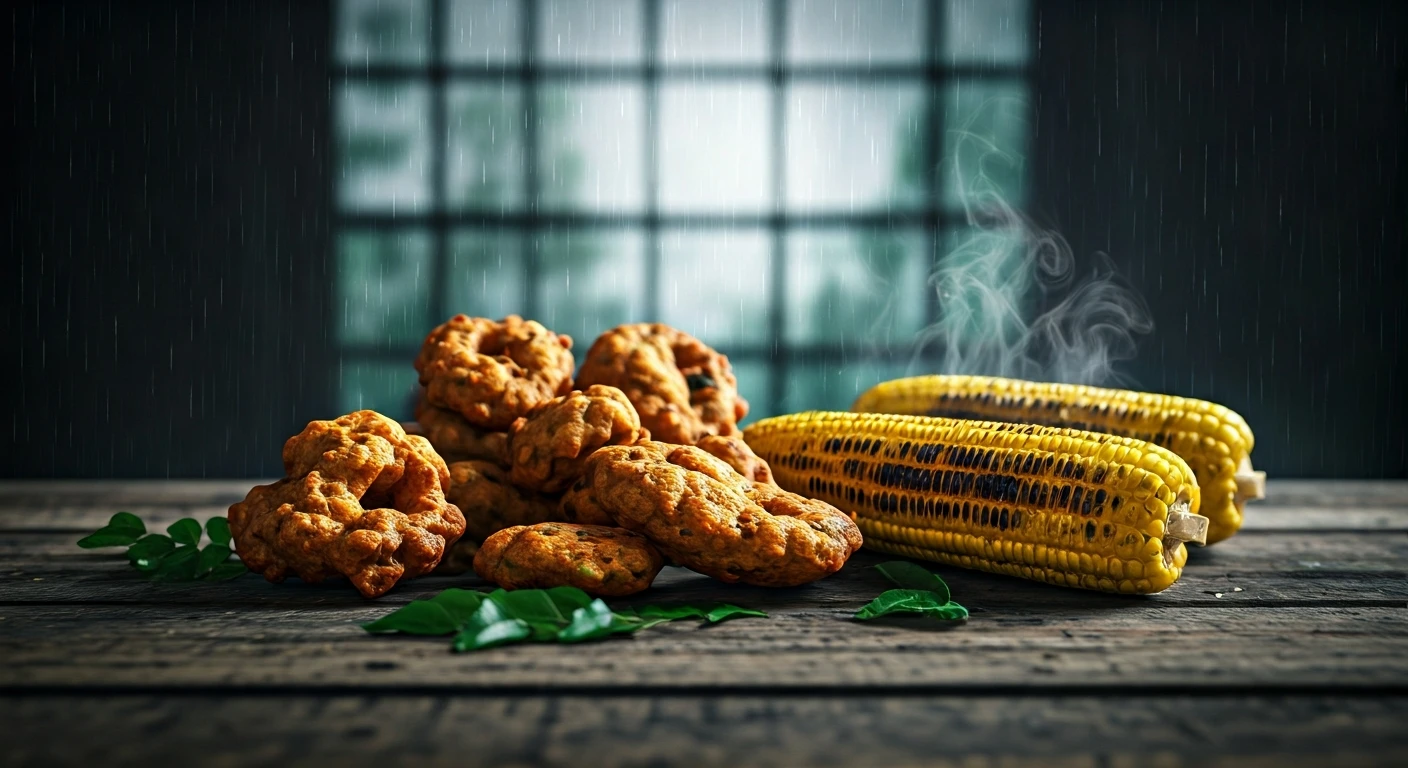
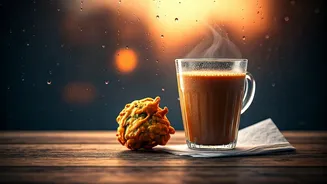
Imagine this: the steady drumming of rain against your window, a hot cup of adrak wali chai in your hands, and a plate of something steaming and crispy beside you. This is the quintessential monsoon dream for millions of Indians. For decades, the stars
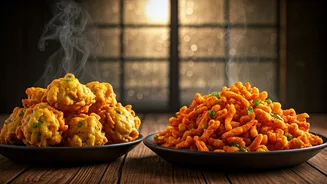
of this scene have been predictable favourites: potato bhajiyas, onion pakoras, or perhaps a piping hot samosa. But what if we told you there’s a new contender for the throne of ultimate monsoon snack? Enter the Maggi Pakora.Yes, you read that right. It’s the glorious, slightly audacious combination of two of India’s most beloved comfort foods: the instant-noodle magic of Maggi and the deep-fried perfection of a pakora. On paper, it sounds like a late-night kitchen experiment gone rogue. In reality, it’s a stroke of culinary genius that captures the very essence of comfort, crunch, and nostalgia in a single, irresistible bite.
Why This Unlikely Pairing Just Works
The magic of the Maggi pakora lies in its texture and flavour contrast. The outer layer is a classic besan (gram flour) batter, fried to a beautiful golden-brown crispness that shatters satisfyingly when you bite into it. But inside, instead of a soft vegetable, you find a tangled nest of savoury, masala-infused Maggi noodles. The noodles remain surprisingly tender and flavourful, creating a delightful soft-versus-crunchy dynamic.It’s a snack that hits all the right notes. You get the familiar, addictive taste of Maggi masala, which is already a national obsession, amplified by the nutty, earthy flavour of the besan coating. It’s carby, spicy, and deeply savoury—everything you crave on a damp, grey day. Unlike a vegetable pakora that can sometimes be watery, the cooked noodles provide a dense, flavour-packed filling that holds its own against the frying process. It’s a snack engineered for pure indulgence.
The Basic Blueprint: Your Guide to Making It
The best part about this trend is how ridiculously easy it is to recreate at home. You don’t need any special equipment or hard-to-find ingredients. Here’s a simple method to follow:1. **Cook the Maggi:** Prepare one packet of Maggi noodles as you normally would, but use slightly less water. The goal is to have cooked, flavourful noodles that are relatively dry, not soupy. Once cooked, let it cool down completely. This is a crucial step to prevent the pakoras from becoming soggy or breaking apart.2. **Prep the Veggies:** Finely chop some onions, capsicum, and a bit of green chilli. You can also add grated carrots or finely chopped coriander. Mix these vegetables into the cooled Maggi noodles. This adds extra texture, flavour, and a hint of freshness.3. **Make the Batter:** In a separate bowl, prepare a thick pakora batter using besan, a pinch of salt (be careful, as Maggi is already salty), red chilli powder, a little turmeric for colour, and ajwain (carom seeds) for digestion and flavour. Add water gradually to form a thick, paste-like batter that can coat the noodles easily. It should not be runny.4. **Combine and Fry:** Gently mix the noodle-and-veggie mixture into the besan batter until everything is well-coated. Heat oil in a kadai for deep-frying. Once the oil is hot, carefully drop spoonfuls of the mixture into the oil. Fry on medium heat, turning occasionally, until the pakoras are golden brown and crispy on all sides. Drain them on a paper towel to remove excess oil.
Ways to Upgrade Your Pakora Game
While the basic Maggi pakora is a winner, there are plenty of ways to customise it. For an extra gooey, decadent experience, try adding a small cube of cheese into the centre of each pakora before frying—the resulting cheese pull is a thing of beauty. You can also experiment with different Maggi flavours; the Hot & Sweet or Atta Noodles versions work wonderfully. Some adventurous cooks even add a spoonful of schezwan sauce to the noodle mix for an Indo-Chinese kick. Serve them hot with a side of classic mint-coriander chutney or just a simple tomato ketchup. The slightly tangy dip cuts through the richness of the fried snack perfectly.