





The Visa Question, Answered
For Indian passport holders, the biggest hurdle to international travel is often the visa. Oman simplifies this significantly. Most Indian travellers can apply for an e-visa online through the official Royal Oman Police portal. The process is digital,
requiring you to upload a scanned copy of your passport and a recent photograph, fill in your details, and pay the fee online. There are typically options for 10-day and 30-day single-entry tourist visas. Travellers with a valid visa from the US, UK, Canada, Australia, Japan, or Schengen countries may find the process even more streamlined. This hassle-free system removes the need for embassy visits and long waiting times, making a spontaneous trip to Oman a real possibility.
Jebel Shams: The Grand Canyon of Arabia
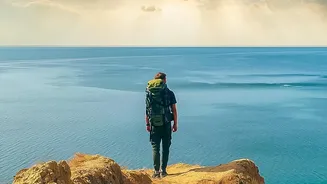
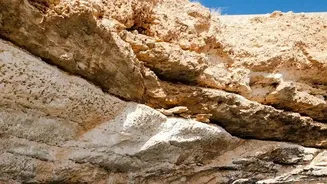
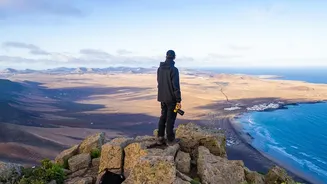
Oman's answer to the Grand Canyon, Jebel Shams (Mountain of the Sun), is a breathtaking sight and a hiker's paradise. The main event is the famous Balcony Walk (W6 trail), a moderately difficult trek along the rim of the colossal Wadi Ghul. This trail, once used by goat herders, takes you along a path carved into the cliffside, offering dizzying views into the canyon below. The hike is about 4-5 hours for a round trip and leads to a small, abandoned village, giving you a glimpse into the region's past. While a 4WD is recommended for the final stretch of mountain road, it’s not always mandatory, making this incredible landscape accessible to adventurous backpackers.
Wahiba Sands: A Sea of Dunes
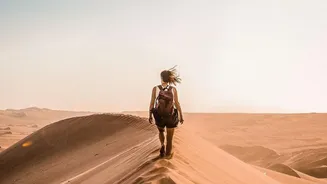
No trip to Oman is complete without experiencing the magic of the desert. The Sharqiya Sands, popularly known as Wahiba Sands, is a massive expanse of rolling, rust-coloured dunes just a few hours' drive from Muscat. For backpackers, this offers an unparalleled opportunity for wild camping under a blanket of stars. For those seeking more comfort, numerous desert camps range from basic Bedouin-style tents to luxurious air-conditioned units. Activities here are all about embracing the landscape: exhilarating 4x4 dune bashing, serene camel rides at sunset, and listening to traditional music by a campfire. It’s an immersive cultural and natural experience.
Wadis: Oman’s Hidden Oases
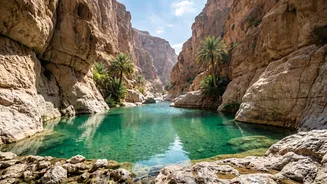
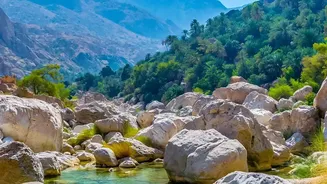
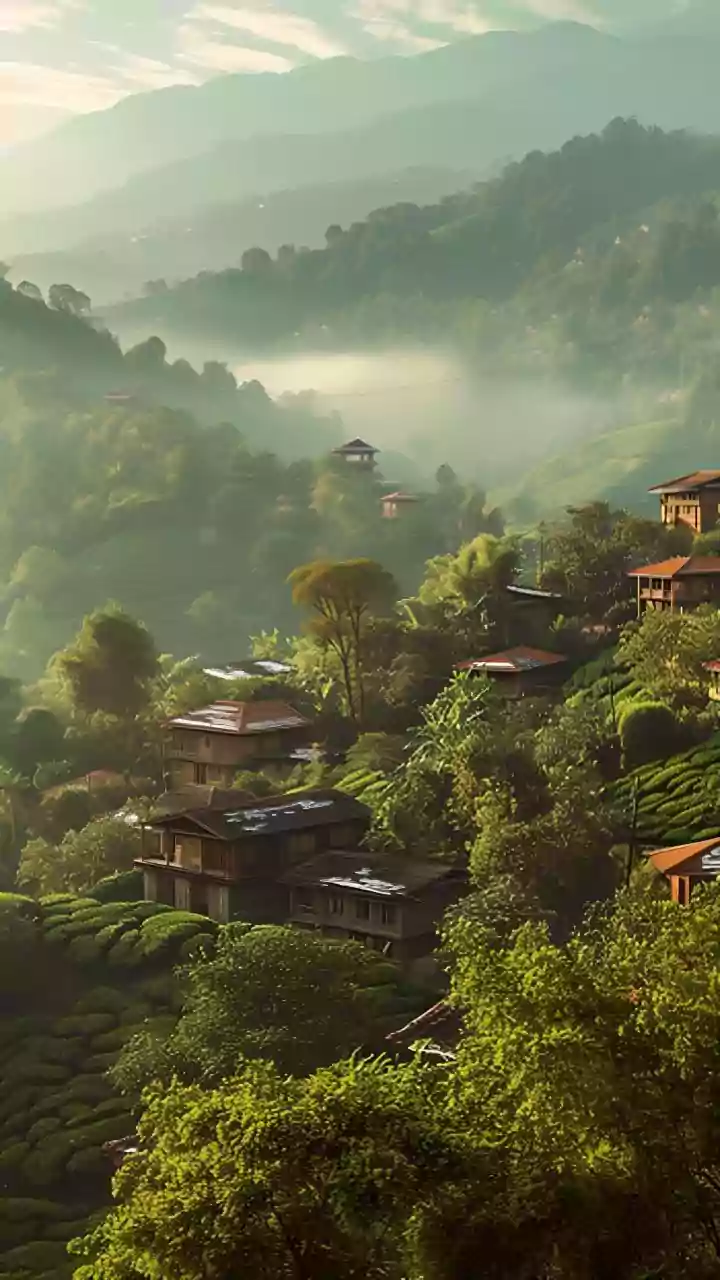
Contrasting with the dry mountains and deserts are Oman’s wadis—lush river valleys with crystal-clear emerald pools. Wadi Shab is one of the most popular, located just off the highway between Muscat and Sur. The adventure begins with a short boat ride across a river, followed by a 45-minute hike through a stunning gorge. The trail involves some light boulder scrambling and leads to a series of swimmable pools. The ultimate prize is a hidden waterfall inside a cave, accessible only by swimming through a narrow opening. These natural swimming pools are the perfect way to cool off after a hike and showcase the surprising diversity of Oman's landscapes.
Backpacker Logistics: Costs and Getting Around
Oman can be surprisingly budget-friendly. While the Omani Rial is a strong currency, costs for essentials can be managed. Eating at local Indian and Omani restaurants is very affordable, with meals costing a fraction of what you’d pay in a hotel. While public transport between cities is limited, renting a car is the most popular and convenient way to explore; the roads are excellent and well-signposted. For solo travellers or those on a tighter budget, hitchhiking is a viable option, and camping is legal and widely practiced in many scenic spots. A daily budget can range from ₹6,500 to ₹8,000 for a backpacker who is camping and self-catering, while mid-range options with guesthouses can be managed comfortably.