





The False Promise of a Rainy Day
The Southwest monsoon is often called India’s lifeline, responsible for over 70 percent of the nation's annual rainfall. It’s a season that dictates the rhythm of life, from farming to the economy. But increasingly, that rhythm is being disrupted. June
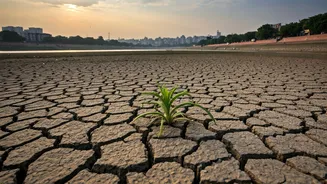
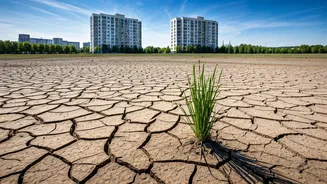
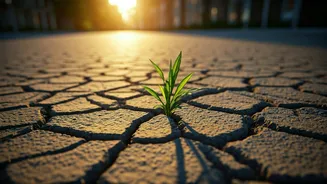
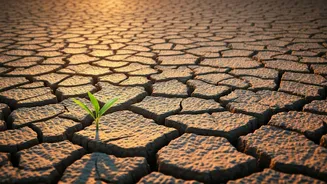
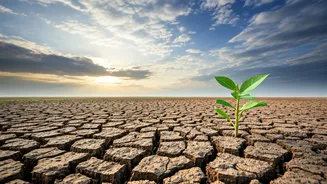
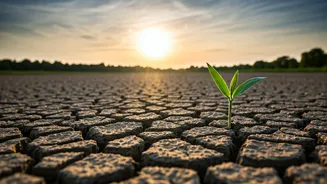
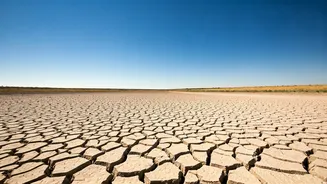
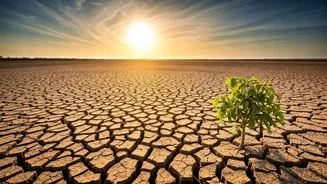
2026 has been particularly stark, with a nationwide rainfall deficit crossing 40 percent, making it one of the driest in recent memory. While the monsoon officially arrived, vast swathes of the country have been left waiting for meaningful rain. This isn't just a weather report; it's a personal problem. For millions, it translates to dwindling water in reservoirs, the sudden appearance of water tankers in housing societies, and the grim reality of queuing for hours to fill a few buckets of water.
What Exactly Is a 'Monsoon Gap'?
Meteorologists call these dry spells “monsoon breaks” or “gaps.” It’s a period during the monsoon season where rainfall ceases for several days or even weeks over large parts of the country. These breaks often happen when the monsoon trough—a low-pressure belt that drives the rains—shifts from its normal position over the plains closer to the foothills of the Himalayas. When this happens, rainfall decreases sharply across the heartland but can increase in the Himalayan foothills and Northeast India. This year, a combination of factors, including the emergence of El Niño, a feeble Somali Jet (which carries moisture from the sea), and dry northwesterly winds have contributed to a prolonged, stalled monsoon.
From Clouds to a Tap Water Crisis
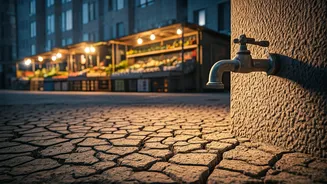
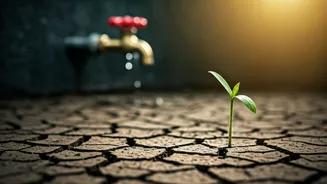
A few dry days might seem like a welcome respite, but a prolonged break has severe consequences. These gaps are when water stress becomes intensely personal, especially in cities. Urban water supply systems are almost entirely dependent on reservoirs that are replenished by monsoon rains. When a gap persists, reservoir levels drop alarmingly. Cities like Mumbai, Delhi, and Bengaluru have all reported increasing water stress, with some facing restrictions on water use for construction and non-essential activities. The June 2026 deficit has been so significant that Mumbai reportedly had only about 40 days of water left in its reservoirs. This immediate shortfall forces municipal corporations to impose water cuts, making daily life a struggle for citizens.
The Urban Squeeze
While farmers in rural areas face the direct threat of crop failure, city dwellers experience a different kind of desperation. The urban water crisis is a complex issue where monsoon gaps act as a trigger, not the sole cause. India is the world's largest extractor of groundwater, and a poor monsoon means this underground buffer is further depleted without being recharged. Many cities already suffer from aging, leaky distribution networks, with a significant amount of treated water lost before it even reaches homes. When the municipal supply falters, reliance on private water tankers skyrockets, hitting the wallets of the middle class and putting water completely out of reach for the poor. The crisis highlights a long-term imbalance between urban India's water demand and its available resources.
Adapting to a New, Erratic Normal
Blaming the rain, or lack thereof, is easy, but the recurring water shortages show that the problem runs deeper than just meteorology. Experts point to inefficient water management, inadequate rainwater harvesting, and the failure to treat and reuse wastewater as major structural failings. However, the crisis is also fostering change from the ground up. Conversations are shifting towards building resilience. Solutions like mandatory rainwater harvesting, restoring urban lakes, and creating “sponge city” infrastructure with permeable surfaces are gaining traction. At an individual level, the anxiety of a dry tap is a powerful motivator. Simple conservation measures and community-led initiatives to protect local water bodies are becoming more common as people realize that waiting for a perfect monsoon is no longer a viable strategy.