




The Daily Toll of Sitting
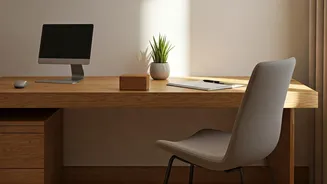
Our bodies were designed for movement, but modern work, whether in an office or at home, often demands the opposite. Hours spent sitting in front of a computer screen cause a series of subtle but damaging effects. Gravity and poor posture lead to the compression
of the spinal discs, the gel-like cushions between your vertebrae. This can cause stiffness, lower back pain, and reduced flexibility. Furthermore, your hip flexors shorten and tighten, your shoulder muscles hunch forward, and circulation slows, contributing to that all-over feeling of fatigue and mental fog that has little to do with your actual workload. This isn't just about occasional discomfort; over time, this chronic sedentary state can contribute to long-term postural issues and a significant decrease in your overall quality of life.
What is Sunset Spinal Decompression?
The term 'Sunset Spinal Decompression' might sound technical, but its essence is simple and gentle. It’s not a medical procedure but a mindful, restorative routine of stretches performed at the end of your workday — as the sun sets on your professional obligations. The goal is to counteract the compressive forces your spine has endured all day. By moving through a series of slow, controlled stretches, you gently elongate the spine, create space between the vertebrae, release tension in the back and hips, and signal to your body and mind that it's time to transition from work mode to rest mode. Think of it as a reset button that helps you shed the physical and mental weight of your day.
Move 1: Gentle Cat-Cow Flow
This classic yoga-inspired movement is fantastic for waking up the spine. Start on your hands and knees, with your wrists directly under your shoulders and your knees under your hips. As you inhale, drop your belly towards the floor, lift your chest and tailbone, and look slightly forward (Cow Pose). Avoid crunching your neck. As you exhale, round your spine towards the ceiling, tucking your chin to your chest and pressing into your hands to open up your upper back (Cat Pose). Flow between these two positions for 8-10 breaths, letting your breath guide the movement. This warms up the spine and improves its flexibility.
Move 2: Restorative Child’s Pose
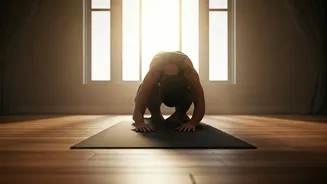
Child’s Pose is the ultimate posture for release. From your hands and knees, bring your big toes to touch and sit back on your heels. Widen your knees slightly, then fold forward, resting your torso between your thighs. Extend your arms forward or rest them alongside your body. Let your forehead rest on the floor. Focus on breathing deeply into your back, feeling the gentle stretch along your spine and in your lower back and hips. This pose not only decompresses the spine but also helps to calm the nervous system. Hold for at least 30-60 seconds, or for as long as feels good.
Move 3: Supine Spinal Twist
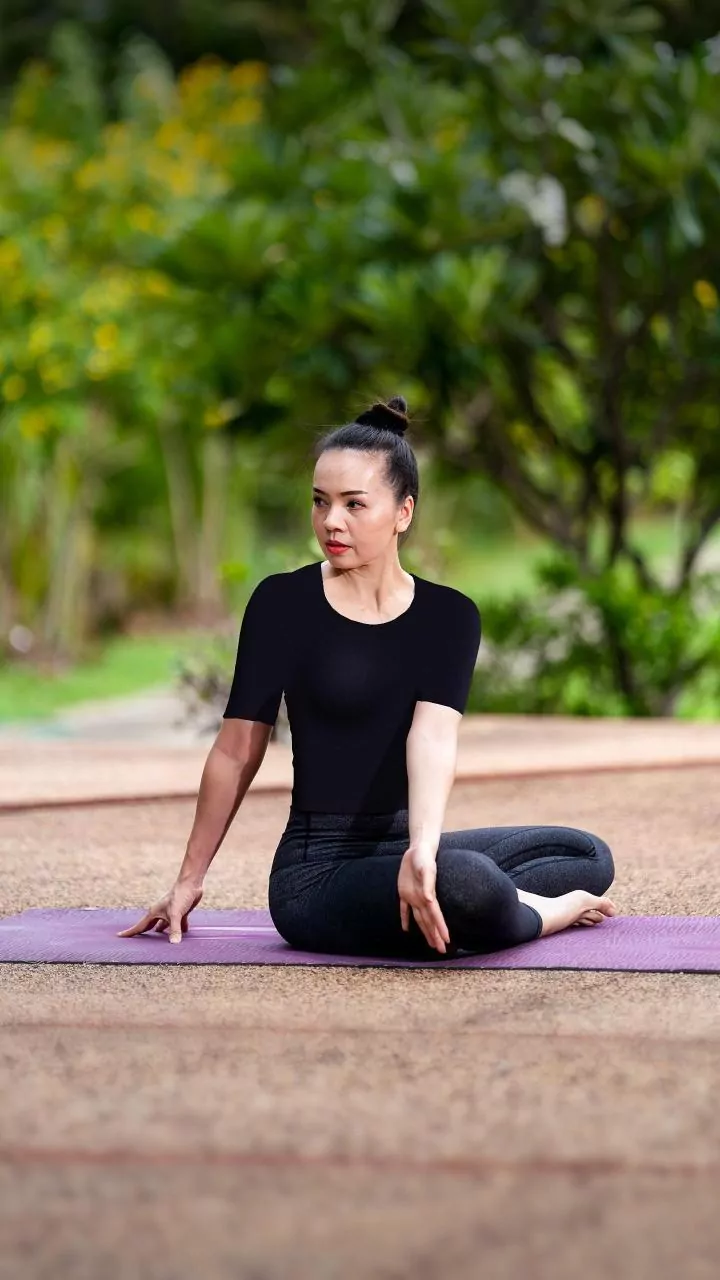
Twists are excellent for releasing tension in the lower back and improving spinal mobility. Lie on your back and pull your knees into your chest. Extend your arms out to the sides in a 'T' shape. Keeping your shoulders flat on the floor, slowly lower both knees to your right side. You can turn your head to look to the left for a deeper stretch. Hold here for 5-7 deep breaths, feeling the release in your lower back and side body. Then, engage your core to bring your knees back to the centre and repeat on the left side. This gentle wringing action helps to hydrate the spinal discs.
Creating a Lasting Habit
The key to beating sedentary fatigue is consistency. The best routine is the one you actually do. Try 'habit stacking' by linking this 5-minute decompression session to something you already do at the end of your workday. For instance, decide to do these stretches the moment you shut down your laptop, right before you change out of your work clothes, or just before starting to prepare dinner. Put a reminder on your phone or lay out a mat as a visual cue. The goal is not to perform a strenuous workout, but to create a small, non-negotiable moment of self-care that your body will thank you for.