

The Double-Edged Sword of August Weather
August in most parts of India is defined by the monsoon. While the rain brings relief from summer heat and encourages lush growth, it creates a perilous environment for plants confined to balcony pots. Unlike in a garden bed, water in a container has
nowhere to go but down and out through small drainage holes. When rainfall is frequent and humidity is high, the soil stays saturated. High humidity slows down the natural process of evaporation from the soil surface and transpiration from leaves. The result is a pot that never truly dries out, creating a low-oxygen environment that is toxic to plant roots. This condition, known as waterlogging, is the silent killer in many well-intentioned balcony gardens. The signs are often misleading: yellowing leaves, stunted growth, and a general lack of vigour, which gardeners might mistake for a nutrient deficiency or a need for more water.
Why Waterlogging Is a Silent Killer for Potted Plants
Plant roots need oxygen to survive and function. They absorb it from the small air pockets present in healthy, well-aerated soil. When soil becomes waterlogged, these air pockets fill with water, effectively suffocating the roots. Without oxygen, roots can no longer absorb nutrients and water efficiently, even though they are surrounded by moisture. This leads to a state of stress, making the plant highly susceptible to fungal diseases like root rot, which thrive in damp, anaerobic conditions. Balcony containers are especially vulnerable because their limited soil volume gets saturated quickly. If a pot sits directly on the floor or in a saucer that collects water, the problem is magnified, as the base of the pot remains perpetually wet.
Smart Drainage: Your First Line of Defence
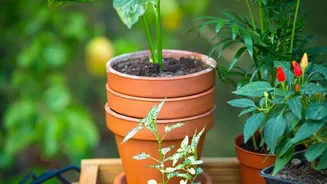
Before choosing your plants, the first step is to ensure your setup can handle excess moisture. This is non-negotiable for a successful monsoon balcony garden. Start by checking that every pot has multiple, unobstructed drainage holes. If a decorative pot lacks them, it's crucial to drill some. While it was once common advice to add a layer of gravel to the bottom of pots, many horticulturists now advise against this, as it can actually raise the saturated soil level closer to the roots. Instead, focus on a lightweight, well-aerated potting mix. Amending standard soil with coco-peat and sand improves its structure, allowing water to pass through more freely. Elevating pots on bricks or 'pot feet' is another simple but highly effective trick that prevents them from sitting in puddles and improves air circulation underneath.
Plants That Pass the Balcony Test
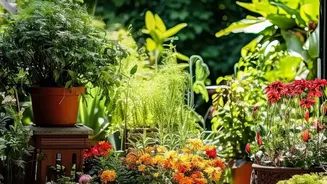
Choosing the right plants is key to thriving in these tricky conditions. Instead of fighting the humidity, select species that are adapted to it. Many tropical and monsoon-native plants are genetically programmed to handle wet feet. For Indian balconies, consider flowering plants like Hibiscus and Jasmine, which love warm, humid weather. Resilient foliage plants like Money Plant (Pothos), Philodendrons, and various Ficus varieties also perform exceptionally well. For those looking to grow edibles, many traditional monsoon vegetables are a great fit. Okra (Bhindi), spinach (Palak), coriander (Dhania), beans, and green chillies are all reliable choices for August sowing. Herbs like mint and tulsi (Holy Basil) also grow vigorously during the rainy season. These plants are not just water-tolerant; they actively flourish in the high humidity that would stress other species.
Adjusting Your Care Routine
During the monsoon, your plant care routine needs to adapt. The golden rule is to water only when necessary. Always check the top couple of inches of soil with your finger; if it feels damp, hold off on watering, even if it has been a few days. Pruning becomes important to maintain good air circulation. Regularly remove any yellowing leaves or dead branches to prevent fungal growth from taking hold in the damp foliage. It's also wise to reduce fertilising, as overly wet soil can make roots more susceptible to fertiliser burn. A light application of organic compost every few weeks is sufficient. Finally, be vigilant about pests like mealybugs and fungal spots, which are more common in high humidity, and keep an eye on any standing water in trays or corners, which can become breeding grounds for mosquitoes.