

How This AI Tech Actually Works
Forget simple quizzes that ask if you’re a ‘beige’ or a ‘caramel’. True AI shade finders use computer vision to analyze your skin. When you use a brand's app or website tool, you'll enable your camera or upload a selfie. The AI then maps dozens, sometimes
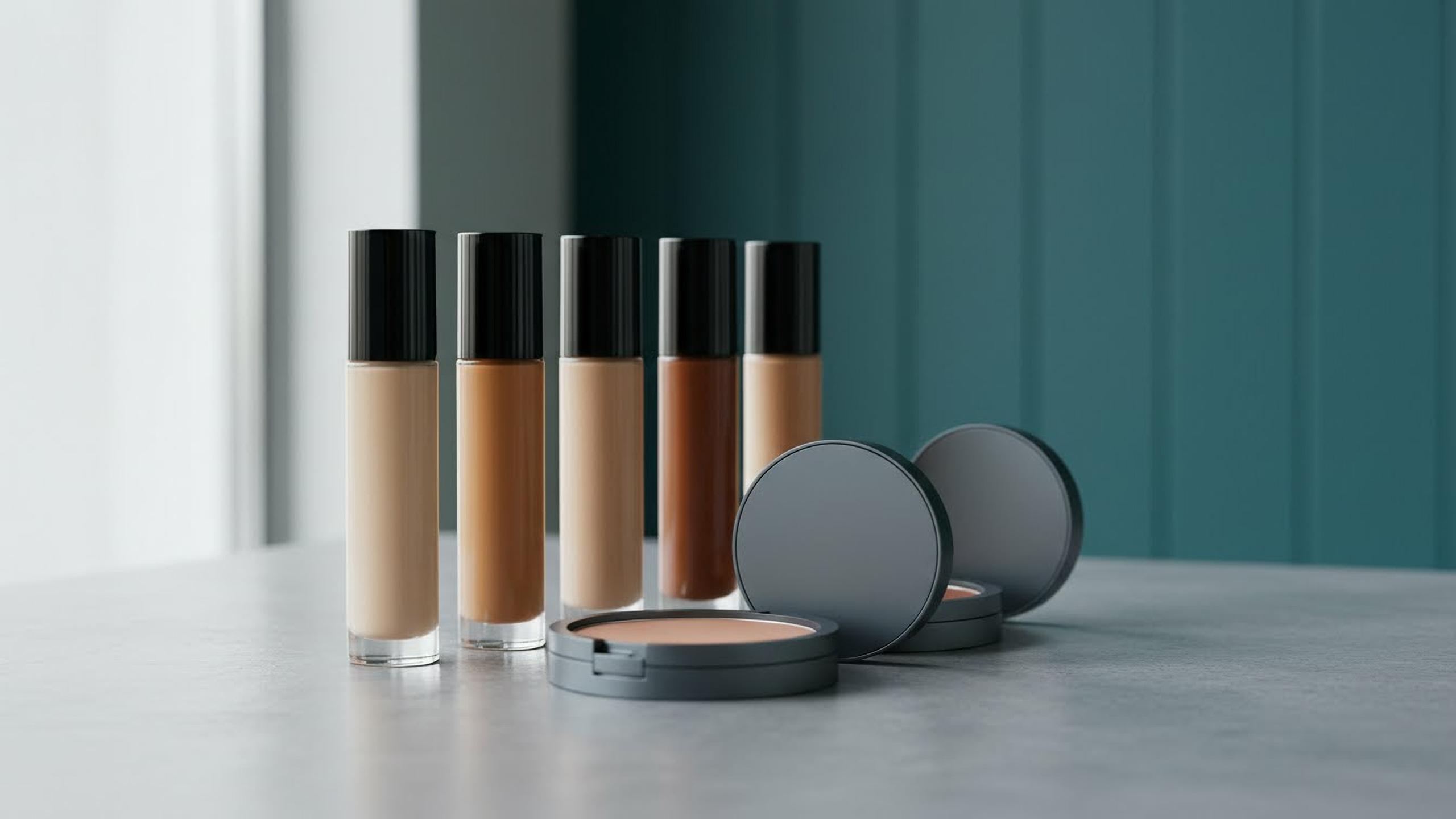
over 150, points on your face to isolate your skin. Using deep learning, it analyzes the pixels in your skin to determine not just the shade but, crucially, your undertones (the cool, warm, or neutral hues beneath the surface). It then matches this data to its inventory of foundation SKUs to recommend your best fit. Some advanced tools even offer an augmented reality (AR) try-on, letting you see the recommended shade on your own face in real time.
The Promise: A Flawless Match from Your Couch
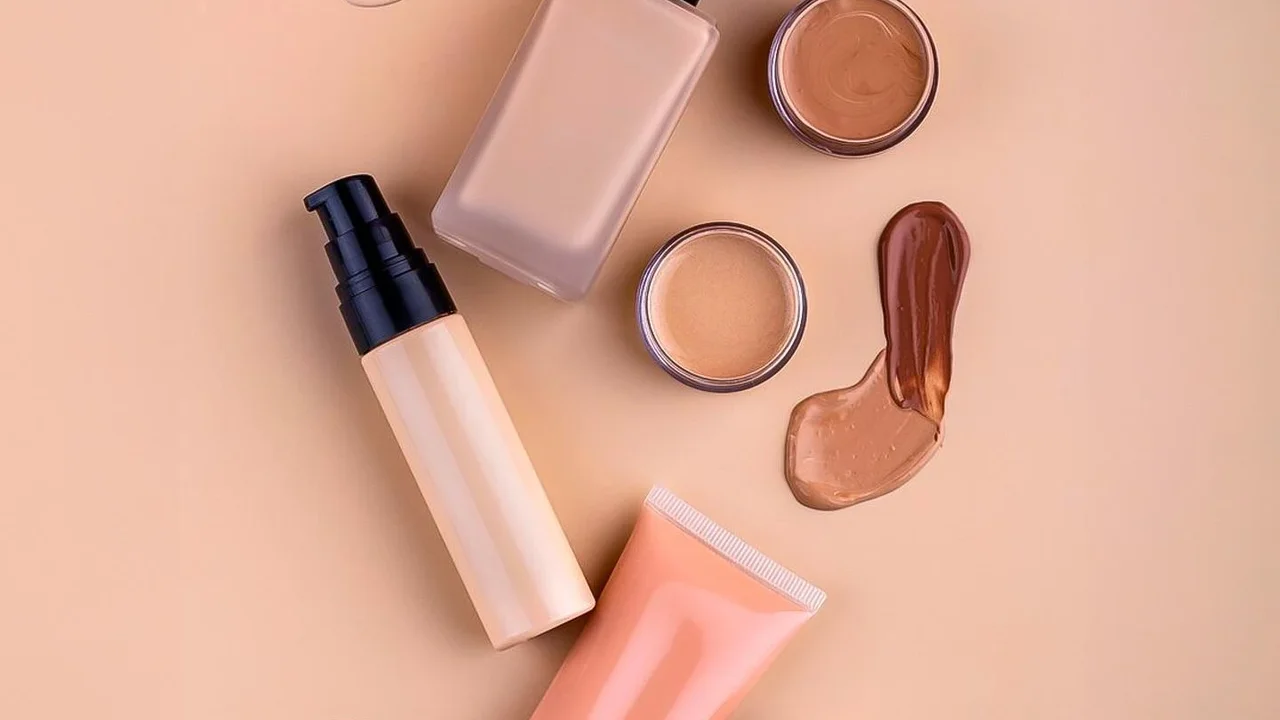
The appeal is obvious: an end to guesswork and expensive mistakes. Brands using this technology, from giants like Sephora and Estée Lauder to specialists like Perfect Corp. and Il Makiage, claim they can deliver a highly accurate match in seconds. For online shopping, this is a game-changer. It’s designed to solve the uncertainty that leads to abandoned carts and high return rates. Some companies claim match rates as high as 96% when compared to a professional makeup artist. The technology can also be a gateway to a more personalized experience, suggesting complementary products like concealers and powders that work with your specific skin profile. For shoppers, it means convenience and confidence; for brands, it means higher sales and happier customers.
The Reality Check: Common Pitfalls
While impressive, the technology isn't foolproof. The single biggest variable is your camera and the lighting. Even the most advanced smartphone cameras can struggle with colour accuracy. As one stylist notes, you can't just sit under a yellow chandelier and expect a miracle. Harsh shadows, direct sunlight, or the warm glow of indoor lighting can all trick the AI into recommending a shade that’s too dark, too light, or has the wrong undertone. Furthermore, what you see on a screen doesn't always translate perfectly to real life. The AI can’t always predict how a formula will oxidize (darken when exposed to air and your skin’s oils) or account for your personal preference for coverage and finish.
Expert Tips for Getting the Best Result
To get a result you can trust, you need to give the AI the best possible input. First, always take your photo in bright, even, natural daylight; facing a window is ideal, but avoid direct sun. Make sure your face is clean and free of any makeup. Hold your phone level with your face and pull your hair back. For an even more accurate reading, some experts suggest holding a plain white sheet of paper next to your face to help the camera's algorithm correct the white balance. Finally, don't trust a single source. If you can, try two different AI tools. If they both suggest a similar shade and undertone, you're likely on the right track.
Use AI as a Guide, Not a Guarantee
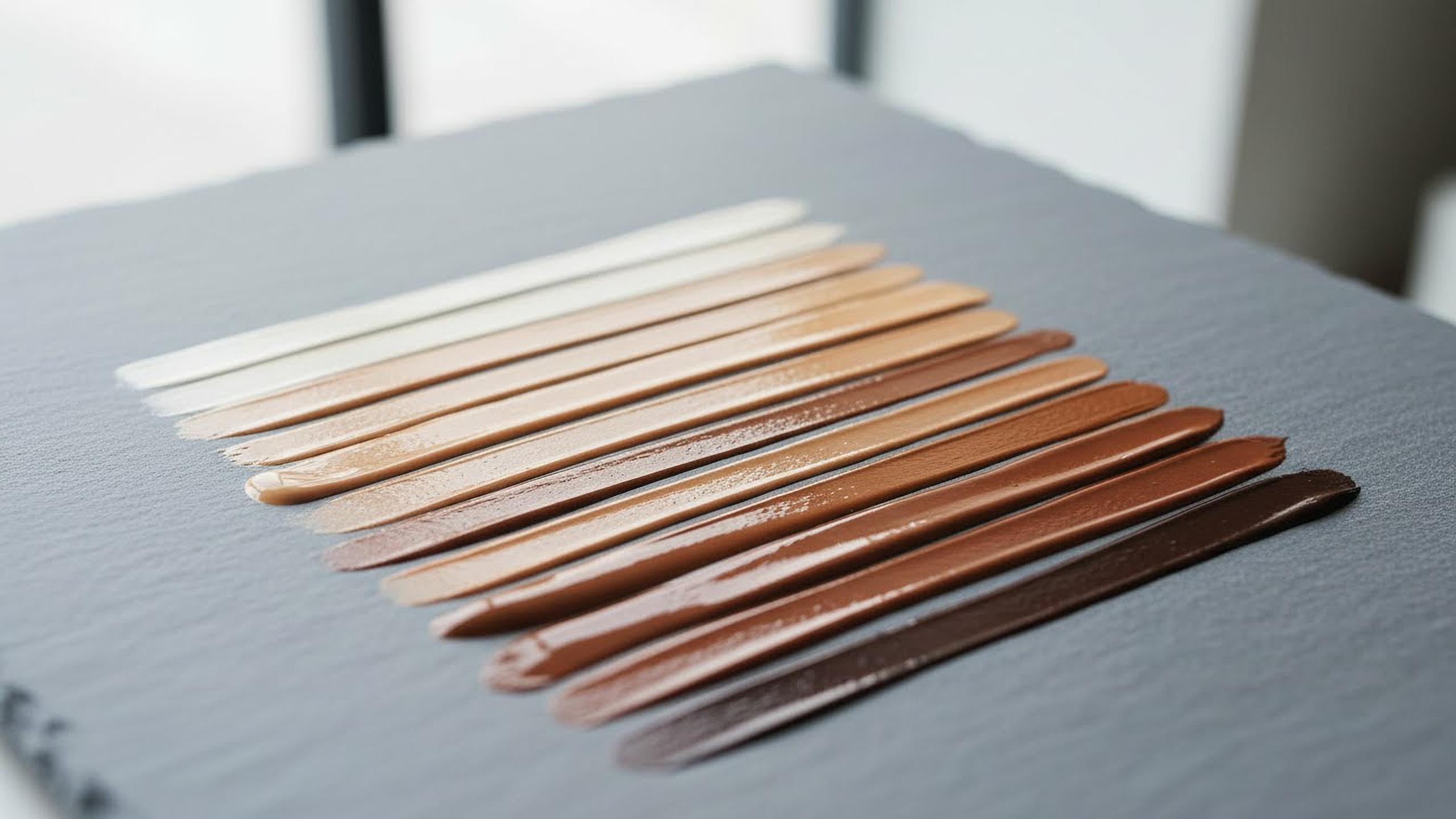
Think of the AI's recommendation as an expert starting point, not the final word. An algorithm can analyze colour, but it can’t feel texture or understand your personal style. It doesn't know if you prefer a sheer, dewy look or a full-coverage matte finish. It also can’t account for the unique chemistry of your skin. If you have oily skin, for example, you may want to select a shade that’s half a step lighter than the recommendation to account for oxidation throughout the day. The best approach is to use the AI to narrow down your options to two or three top contenders, then test them in real life if you can. The classic jawline swatch test—applying a stripe and seeing which one disappears—is still the gold standard for a reason.