





The Foundation: Plan Your Week
The single most effective way to control costs is to plan your meals. Before you even think about a shopping list, decide what you'll eat for breakfast, lunch, and dinner for the week. This simple habit prevents impulse buys and ensures you purchase only
what you need. A good plan revolves around overlapping ingredients to minimise waste. For example, if you're buying a large cabbage, plan for a stir-fry one night and a slaw or sabzi later in the week. This approach not only saves money but also reduces the mental load of figuring out what to cook each day.
Build Meals Around Budget Staples
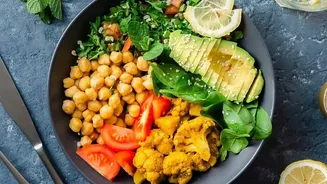
The core of a cost-effective vegetarian diet is built on inexpensive, versatile, and nutrient-dense staples. Most Indian kitchens are already stocked with these powerhouse ingredients. Pulses like dal (toor, moong, masoor), legumes like chickpeas (chana) and kidney beans (rajma), and grains such as rice, wheat flour (atta), and millets are incredibly affordable and filling. These items, especially when purchased dried and in bulk, offer the best value for money. They are excellent sources of protein and can form the base of countless dishes, from simple dals and curries to complex biryanis and stews.
Shop Smart, Shop Seasonally
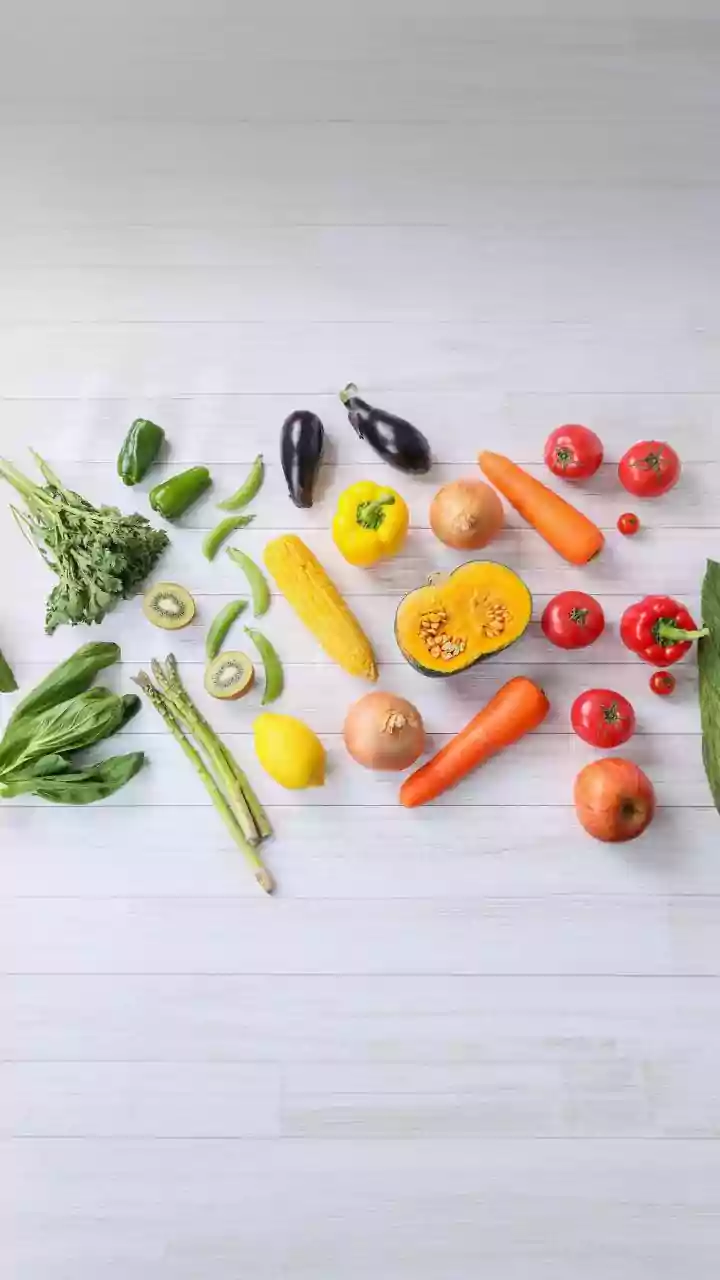
Once you have a plan, it's time to shop strategically. Prioritise seasonal vegetables and fruits, as they are not only fresher and more flavourful but also cheaper due to their abundance. Visiting your local sabzi mandi instead of relying solely on supermarkets can often lead to better prices and fresher produce. When at the store, compare unit prices to find the best deals, and don't shy away from store brands, which are often identical to their name-brand counterparts but cost less. Frozen vegetables like peas and corn are also fantastic budget-friendly options; they are just as nutritious as fresh and last much longer, helping to prevent spoilage.
Embrace Inexpensive Protein Sources
Protein is a common concern for vegetarians, but it doesn't have to be expensive. Lentils, beans, and chickpeas are some of the most cost-effective protein sources available. Beyond these, consider incorporating tofu, soya chunks, and peanuts into your diet. Tofu is a versatile ingredient that can be used in scrambles, curries, and stir-fries, while soya chunks are an excellent, low-cost substitute for meat in many traditional recipes. Even whole grains and certain vegetables contribute to your daily protein intake.
Cook to Stretch Your Rupee
How you cook is as important as what you buy. Batch cooking is a powerful tool for saving both time and money. Prepare large quantities of base dishes like dal, a simple tomato gravy, or boiled grains on the weekend. These can then be quickly assembled into different meals throughout the week. Cooking from scratch, while it takes more time, is almost always cheaper than buying prepared foods. This extends to staples like paneer or chutneys. Furthermore, learning to cook with a pressure cooker or Instant Pot can save a significant amount on cooking gas or electricity over time.
Minimise Waste to Maximise Value
Every bit of food you throw away is wasted money. A 'zero-waste' approach in the kitchen is key to being cost-effective. This starts with proper storage. Keep leafy greens fresh longer by wrapping them in a damp cloth, and store ethylene-producing fruits like apples and bananas separately to prevent them from ripening other produce too quickly. Get creative with food scraps. Vegetable peels, stems, and ends from onions, carrots, and celery can be saved in the freezer and simmered to make a flavourful vegetable broth at no extra cost. The stems of herbs like coriander or the stalks of broccoli are perfectly edible and can be chopped finely for use in curries and stir-fries.