






The Real Cost Per Unit
The most immediate lure of bulk buying is the potential for significant savings. A larger pack of anything, from lentils to laundry detergent, often boasts a lower price per unit. To figure this out, you need to do some simple math: divide the total price by
the quantity (be it kilograms, litres, or number of items). A 10kg bag of atta might seem more expensive upfront than a 1kg bag, but the cost per kilo is usually much lower. However, the sticker price isn't the whole story. If you're shopping at a wholesale club, you must factor in the annual membership fee. If your savings over the year don't exceed the cost of the membership, it might not be worth it. Also, be wary of impulse buys; a great deal on something you don't need isn't a saving at all.
The Space Equation
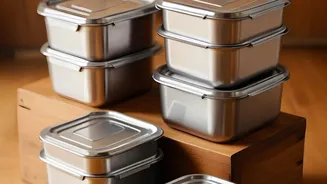
Once you've brought your haul home, you need somewhere to put it. A 20-litre oil can or a 25kg sack of rice takes up considerable real estate. Do you have enough cool, dry, and dark pantry space to store everything properly? Inadequate storage can lead to spoilage from humidity or infestations from pests, which is a common concern. Storing dry goods in airtight glass or plastic containers is essential for longevity and keeping moisture and pests out. For perishable bulk buys like meat or frozen goods, freezer space is a major consideration. An overstuffed freezer is inefficient, and if you don't have enough room, you risk freezer burn or spoilage. Some households even invest in a second freezer or custom shelving, which becomes an additional hidden cost to your 'savings'. Before you buy, take a realistic look at your cupboards and freezer and ask if you can truly accommodate the purchase.
The Turnover Test
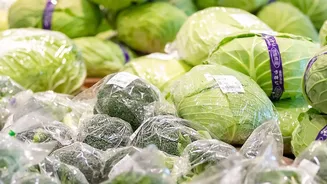
This is arguably the most critical and overlooked factor. The money you save by buying in bulk is completely erased if you end up throwing the product away. Studies have shown that households that buy in bulk can sometimes waste more food because they can't use it before it expires. A 5-litre jar of pickles might be a bargain, but if your family only eats one a month, it will likely go bad. It's crucial to be honest about your household's consumption rate. A large family will go through staples much faster than a single person or a couple. Be especially careful with items that have a shorter shelf life, even if they're not fresh produce. Things like nuts, seeds, and whole-grain flours can go rancid over time, and spices lose their potency. Always check expiry dates before buying a large quantity of anything.
Smart Bulk Strategies
So, how do you make bulk buying work for you? Start by focusing on non-perishable items your household uses consistently. Things like toilet paper, paper towels, cleaning supplies, soaps, and canned goods are generally safe bets. For pantry items, stick to things with a long shelf life that you use regularly, like white rice, dried beans, and lentils. Create a list and stick to it to avoid the temptation of impulse deals. Consider 'team buying' with friends or family; you can get the benefit of the bulk price by splitting the quantity and the cost. Be cautious with snack foods, as having a large quantity on hand might lead you to consume them faster than you normally would, negating the savings. Ultimately, the goal is to buy only what you know you will use, store it correctly, and genuinely save money in the process. Thoughtful planning is the key to unlocking the true value of bulk shopping.