





The Right Outerwear on a Budget
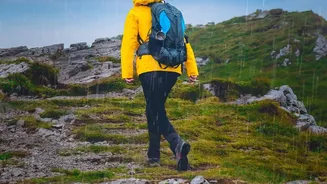
Your first line of defence against a downpour doesn't need to be expensive. While high-end rain jackets are great, a lightweight, hooded rain poncho offers excellent coverage, often protecting you and a small backpack. They are affordable and pack down into
a tiny pouch. An umbrella is another obvious essential, but opt for a compact, wind-resistant model over a flimsy one that might buckle under pressure. Many travellers find a good poncho or jacket more effective than an umbrella, especially in windy hill stations or during heavy downpours, as it keeps your hands free.
Smart Clothing That Dries Fast
The golden rule of monsoon packing is to avoid cotton and denim. These fabrics absorb moisture and can take days to dry in high humidity, leaving you with a bag of damp, heavy clothes. Instead, focus on quick-drying synthetic fabrics like polyester or nylon blends, which are often found in athletic wear. You don't need to buy expensive travel-specific brands; affordable sportswear from any major retailer will do the job. Pack two or three quick-dry t-shirts and a pair of lightweight trousers or capris. Darker colours are a practical choice as they are better at hiding mud splashes from wet roads. A thin fleece or a light woollen layer is also wise for chilly evenings, especially in hill stations.
Protecting Your Electronics for Pennies
Water damage to your phone, camera, or power bank can ruin a trip. The most cost-effective solution is also the simplest: high-quality zip-lock bags. Pack a few different sizes to create a waterproof barrier for your phone, chargers, and passport. For about the price of a coffee, you can ensure your critical electronics and documents stay dry. If you carry more expensive camera gear, a dedicated dry bag is a worthwhile investment of a few hundred rupees, but for most travellers, simple zip-lock pouches are surprisingly effective. Remember to pack a power bank, as power cuts can be more frequent during heavy rains.
Footwear That Can Handle Puddles
The wrong shoes can make a monsoon journey miserable. Leave the absorbent canvas sneakers and heavy leather shoes at home. Your best bet is waterproof footwear with a good grip to handle slippery surfaces. This doesn't mean you need to buy expensive trekking shoes. A pair of rubber sandals, floaters, or even sturdy flip-flops can be perfect for navigating wet streets and are easy to clean and dry. Always pack an extra pair of socks; there's nothing worse than having to put on a damp pair. Waterproof socks can offer an extra layer of comfort for longer walks.
The Bag and Its All-Important Cover
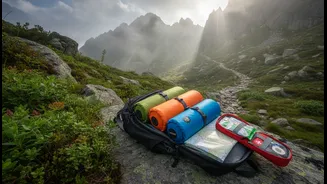
Even if your backpack is marketed as water-resistant, it likely won't survive a persistent Indian monsoon downpour. A waterproof rain cover is non-negotiable. These are relatively inexpensive and can be purchased from most luggage or outdoor stores. It slips over your entire bag, keeping the contents completely dry. Inside your bag, use packing cubes or even simple plastic bags to separate wet or muddy clothes from your clean, dry items. This simple system of compartmentalisation is key to staying organised and comfortable.
A Basic Health and Hygiene Kit
The monsoon season can bring a higher risk of minor health issues. Assemble a small medical kit with essentials for common ailments like colds, fevers, or stomach upsets. An insect repellent is crucial, as mosquitoes are more prevalent during this time. Antifungal powder can also be very useful due to the high humidity. Don't forget basics like antiseptic cream and bandages for any small cuts or scrapes. Finally, a quick-drying microfibre towel is a fantastic, low-cost investment. It dries much faster than a standard cotton towel and takes up less space in your bag.