




An Ancient Tradition of Simple Sustenance
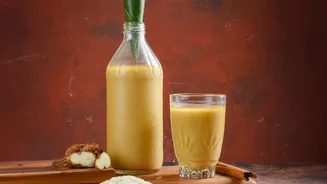
Known by many names across the country—Pakhala in Odisha, Poita Bhat in Assam, Panta Bhat in West Bengal, and Pazhaya Sadam or Neeragaram in Tamil Nadu—fermented rice water is a testament to the wisdom of simple, sustainable living. The concept is straightforward:
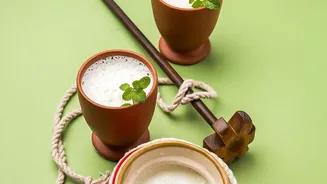
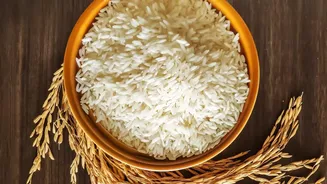
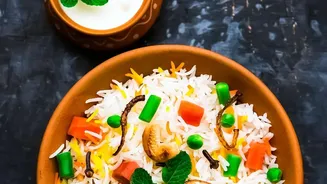
leftover cooked rice is soaked in water and left to ferment overnight, traditionally in an earthenware pot. By morning, this simple mixture transforms into a slightly sour, cooling, and incredibly nutritious meal or drink. For generations, it has been the go-to breakfast for farmers and labourers, providing the energy and hydration needed for a long day of work under the sun.
The Science Behind the Probiotic Power
The magic of this drink lies in the natural process of fermentation. When cooked rice is left to soak, it becomes a fertile ground for beneficial microorganisms. This process encourages the growth of various strains of Lactic Acid Bacteria (LAB), including species like Lactobacillus, Pediococcus, and Leuconostoc. These are the same types of 'good bacteria' found in yogurt and other probiotic foods. Scientific studies have shown that this simple overnight fermentation can result in a beverage teeming with billions of live probiotics. These microbes not only aid in digestion but also help maintain a healthy gut microbiome, which is crucial for overall immunity and well-being.
A Treasure Trove of Nutrients
Beyond its probiotic content, the fermentation process unlocks and enhances the nutritional profile of rice in remarkable ways. Research has shown that fermenting rice significantly increases the bioavailability of several key micronutrients. One study from Assam Agricultural University found that the iron content in rice could increase more than twenty-fold after just 12 hours of fermentation. Similarly, levels of potassium and essential vitamins like B6 and B12 are also boosted. The process also breaks down anti-nutritional factors like phytic acid, which can inhibit the absorption of minerals. This transformation makes fermented rice an easily digestible source of energy and vital nutrients.
A Cultural Staple Across Regions
The consumption of fermented rice water is deeply woven into the cultural fabric of eastern and southern India. In Odisha, the drink is so beloved that it has its own day of celebration, Pakhala Dibasa, on March 20th each year. Across regions, the base of fermented rice is customised with various accompaniments. It might be served with a simple pinch of salt and a raw onion, or more elaborately with curd, green chillies, fried fish, mashed vegetables (pitika), or sautéed greens. This adaptability has ensured its place on the dining table, from humble rural homes to being featured in international cooking competitions like MasterChef Australia, where it was presented by contestant Kishwar Chowdhury.
Rediscovering an Everyday Superfood
In the modern pursuit of wellness, fermented rice water stands out for its simplicity, accessibility, and efficacy. While commercially produced probiotic drinks can be expensive, this traditional alternative can be made at home with virtually no cost, using leftover rice. Its benefits are manifold: it cools the body in summer, aids digestion, reduces gut inflammation, replenishes electrolytes, and provides a sustained release of energy. As interest in gut health continues to grow, many are rediscovering this ancient beverage not as a 'poor man's food', but as a powerful, natural, and sustainable superfood that has supported the health of generations.