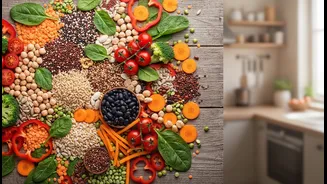









Decoding the 'Light Eating' Trend
This isn't about restrictive dieting or calorie counting. In the Indian context, 'light eating' is a modern interpretation of ancient dietary wisdom, particularly from Ayurveda. It emphasizes consuming foods that are easy on the digestive system, which
is believed to be weaker during the monsoon. This means prioritizing warm, freshly cooked meals over cold, raw, or heavy ones. Think comforting bowls of khichdi, warm vegetable soups, steamed preparations, and light dals. The focus is on moong dal, millets, and seasonal gourds, while avoiding heavy, oily, and street foods that are harder to digest and carry a higher risk of contamination in the humid weather.
The Monsoon Effect on Body and Mind
The monsoon brings relief from summer heat but also presents unique physiological challenges. High humidity can slow down our digestive fire, or 'Agni' in Ayurvedic terms, leading to bloating, sluggishness, and a general feeling of heaviness. This seasonal dip in digestive efficiency is a widely recognized phenomenon. Furthermore, the damp, overcast weather increases the risk of waterborne diseases and infections, compromising immunity. This combination of a weaker gut and a higher risk of illness often results in what many experience as 'monsoon fatigue', a state of low energy that can directly impact daily life and professional performance.
Productivity in a Competitive World
For urban millennials navigating demanding careers, a dip in productivity is not an option. In today's competitive work environment, maintaining high energy levels and sharp focus is crucial. The feeling of being physically and mentally sluggish during the monsoon can be a significant professional handicap. By adopting a light eating approach, they are essentially bio-hacking their bodies to counteract the seasonal effects. They see food as a tool to maintain peak performance, stay mentally alert, and minimize sick days. This conscious choice is a strategic response to the pressure of staying ahead in fast-paced urban settings, where wellness and professional success are increasingly intertwined.
A Revival of Traditional Wisdom
The trend is also a reflection of a broader cultural shift among younger Indians who are looking to reconnect with their roots, but on their own terms. They are blending the time-tested principles of Ayurveda's seasonal guide (Ritucharya) with modern nutritional science. This isn't a blind following of tradition but a conscious adoption of practices that make sense in their contemporary lives. Using spices like ginger, turmeric, and black pepper to aid digestion, drinking warm herbal teas, and preferring home-cooked meals are all practices rooted in Indian heritage that are now being embraced for their proven wellness benefits. It represents a move away from confusing global diet fads towards a more intuitive, localized approach to health.
More Than Just a Diet
Ultimately, the 'light eating' trend among urban millennials is about more than just food; it's a holistic lifestyle choice. It is part of a larger movement towards conscious consumption, where health, sustainability, and mindfulness are prioritized. By aligning their eating habits with the season, they are taking control of their well-being, enhancing their immunity, and ensuring they have the energy to thrive both personally and professionally. This proactive approach to health demonstrates a generation that is not just surviving the monsoon but is actively optimizing it for their continued growth and productivity.