


The Flaky, Buttery Croissant
The thought of making croissants can be intimidating, with visions of complicated butter blocks and endless folding. But simplified methods make it possible for home bakers. The process, known as lamination, involves folding dough over a slab of butter repeatedly
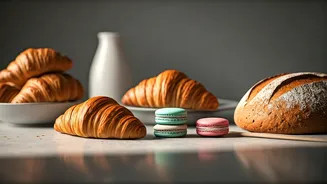
to create dozens of flaky layers. While traditional recipes can take days, easier versions streamline this process without sacrificing that signature honeycomb interior and shatteringly crisp exterior. The key is using high-quality, high-fat butter and keeping both the dough and the butter cold. The satisfaction of pulling a golden, perfectly puffed croissant from your own oven is a reward unlike any other, filling your kitchen with an aroma no bakery can top.
The Chewy, Rustic Sourdough Loaf
A beautiful, crusty loaf of sourdough bread is the pinnacle of artisan baking, but it doesn't have to be a monumental effort. The rise of no-knead sourdough recipes has brought this rustic bread into the home kitchen with minimal fuss. The process relies on time rather than labour. You simply mix flour, water, salt, and a ripe sourdough starter, then let it ferment for several hours, with a few simple folds along the way. The dough develops its strength and flavour slowly, resulting in a loaf with a beautifully blistered, crackly crust and the open, chewy crumb that sourdough is famous for. Baking it in a Dutch oven traps steam, mimicking a professional bakery oven and ensuring a fantastic rise and golden-brown finish.
The Delicate French Macaron
These colourful, delicate sandwich cookies are notorious for being finicky, but they are not as difficult as their reputation suggests. Success with macarons comes down to precision and technique, not professional training. The core ingredients are simple: almond flour, powdered sugar, and egg whites. The most crucial steps are achieving a stable meringue (the whipped egg whites and sugar) and mastering the 'macaronage'—the process of folding the dry ingredients into the meringue until the batter flows like lava. Many beginner-friendly recipes offer tips like using aged egg whites or adding cream of tartar to stabilize the meringue. Once piped and rested to form a skin, they bake quickly, developing their signature 'feet' and crisp shell. The filling possibilities are endless, from simple chocolate ganache to fruity buttercreams.
The Elegant Chocolate Éclair
An éclair looks like a dessert reserved for a fine patisserie, but it’s built on a surprisingly simple foundation: choux pastry. This dough, made from just butter, water, flour, and eggs, is cooked on the stovetop before being piped and baked. In the oven, the moisture in the dough turns to steam, causing the pastry to puff up dramatically, creating a hollow shell that’s light and crisp. The trick is to not open the oven door while they bake, allowing them to rise and dry out properly. Once cooled, the shells are filled with a rich pastry cream and topped with a glossy chocolate glaze. Though there are three components, each one is straightforward, and the final assembled pastry is a true showstopper that tastes even better when freshly made.