




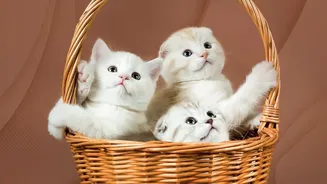

A Cultural Shift in Pet Parenting
The single biggest driver of India’s pet care boom is a fundamental change in mindset. Across the country, but increasingly in Tier II and Tier III cities, pets are no longer just guard animals or backyard companions; they are family. This 'pet humanisation'
trend sees owners, a large number of whom are millennials and Gen Z, treating their dogs and cats like children. This generation, often living in nuclear family structures, seeks companionship and is willing to spend on their pets' well-being and happiness. Industry reports show that a majority of Indian pet owners now consider their pets full family members, a sentiment that directly fuels spending on premium food, healthcare, grooming, and accessories. This emotional bond is the foundation upon which the expanding market is built.
The Market Moves Beyond Metros
For decades, the premium pet care industry was concentrated in large metros like Delhi, Mumbai, and Bengaluru. However, companies are now recognising the immense potential of smaller urban centres. A 2026 industry dialogue highlighted that Tier II and Tier III cities are no longer future prospects but have become key growth engines for the pet care economy. This expansion is powered by rising disposable incomes and increasing digital access in these areas. E-commerce platforms have reported significant growth in pet care orders from non-metro cities like Mysore, Dehradun, and Cuttack, signalling a steady adoption of new products and services. This untapped market presents a massive opportunity for both established brands and new entrepreneurs.
From Basic Food to Full-Service Care
The new landscape of choice is most visible in the products and services now available. The days of feeding pets table scraps or relying on a single brand of dry kibble are fading. The market is now flooded with specialised options, including breed-specific formulas, therapeutic diets for health issues, and even gourmet and vegan pet food lines. Beyond nutrition, a whole ecosystem of services is emerging. Pet parents in smaller cities can now access professional grooming salons, daycare centres, and boarding facilities. Even advanced veterinary care, once a metro-exclusive service, is becoming more accessible, along with innovative services like at-home vet consultations and pet insurance.
Local Startups and National Chains Compete
This boom is being fueled by a mix of players. Large national and international brands like Royal Canin and Mars Petcare are extending their distribution networks into smaller towns to capture new customers. At the same time, a vibrant startup ecosystem is flourishing. Many of these new companies are founded by pet parents who identified gaps in their own local markets. These startups are bringing innovative, tech-enabled solutions like online vet consultations, subscription-based food delivery, and curated pet product platforms, creating healthy competition and providing consumers with a wider array of options tailored to Indian needs.
Navigating the Challenges of Growth
Despite the rapid growth, the expansion into smaller cities is not without its hurdles. One of the primary challenges is price sensitivity, as many households in these regions are still accustomed to traditional, low-cost pet care practices. Building robust supply chains and last-mile delivery infrastructure in areas with fragmented logistics can also be difficult for companies. Furthermore, there is a significant need for customer education. With over 90% of Indian pet parents being first-time owners, brands and service providers have a responsibility to guide them on modern nutrition, preventive healthcare, and responsible pet ownership. Overcoming these obstacles will be crucial for sustaining the industry's impressive growth trajectory.