




The Real Balcony Enemy: Root Rot
During the monsoon, the biggest threat to your potted plants isn't a lack of water; it's an excess of it. When soil stays waterlogged for days, roots are deprived of oxygen and begin to decay, leading to a condition called root rot. This is especially
dangerous for drought-tolerant plants like succulents, cacti, and other hardy species that are adapted to dry conditions. By the time you notice yellowing leaves or soft stems, the damage below the soil is often severe. The paradox is that these tough, low-water plants are perfect for busy urban gardeners, but only if you can protect them from their biggest weakness: too much water sitting around their roots.
Success Starts with Soil and Pots
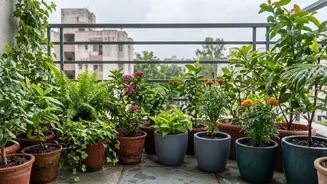
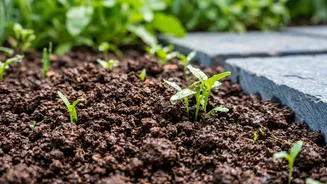
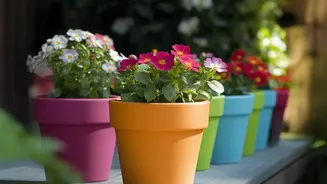
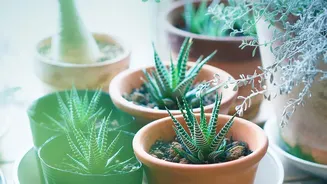
The foundation for a successful rainy-season balcony garden is excellent drainage. Your choice of pot and soil is more important than anything else. Opt for terracotta or unglazed ceramic pots, as their porous nature allows soil to breathe and dry out faster. Ensure every pot has at least one, preferably multiple, drainage holes. If a pot is sitting in a saucer, be sure to empty any collected rainwater after a downpour. The soil itself must be gritty and fast-draining. Regular garden soil holds too much moisture. Instead, use a special cactus or succulent mix, or create your own by combining potting soil with materials like perlite, coarse sand, or small gravel to improve aeration and prevent compaction.
Top Plant Picks for a Resilient Balcony
Choosing the right plants is the fun part. Look for species known for their resilience and low water needs. The Snake Plant and the ZZ Plant are modern favourites, famous for tolerating a wide range of conditions and forgiving occasional neglect. They look sleek and require minimal watering. Jade plants and Aloe Vera are other excellent succulent choices that thrive in pots, provided their soil is dry. For a splash of colour, Bougainvillea is a classic Indian balcony choice that loves sun and is surprisingly drought-tolerant once established. Portulaca, or Moss Rose, offers vibrant, jewel-toned flowers and is also very hardy. Even herbs like Lemongrass and Curry Leaves are great low-maintenance options that grow well in pots and are useful in the kitchen.
Your Monsoon Care Checklist
Once your plants are set up, adjust your care routine for the season. The number one rule is to water less. With high humidity and frequent rain, the soil will take much longer to dry out. Always check the soil with your finger; if it feels damp, do not water. If possible, move smaller pots to a covered area during extremely heavy downpours to give them a break. Ensure good air circulation between plants to help prevent fungal issues, which are common in damp, humid weather. Finally, make it a habit to check that drainage holes are not blocked and remove any dead leaves from the soil surface, as they can trap moisture and encourage disease.