




The Psychology of a Drained Battery
Range anxiety is the fear that an EV will run out of power before reaching a destination or a charging station. [4, 7] It's a major psychological barrier to EV adoption, with one report suggesting it deters nearly 58% of potential buyers in India. [26]
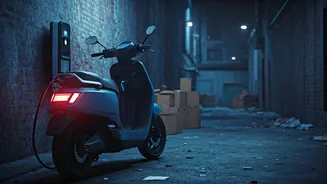
This fear isn't just about the vehicle's technical limits; it's fueled by the perceived scarcity of public chargers, especially on highways, and the longer time it takes to recharge compared to refueling a petrol car. [4, 25] Drivers worry about being stranded, the inconvenience of finding a working charger, and navigating unfamiliar payment systems or connectors. [3] This 'charger anxiety' is often the bigger issue, as the reliability and availability of charging points directly impact a driver's confidence. [6, 27]
The Rise of High-Speed Charging
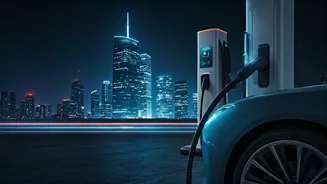
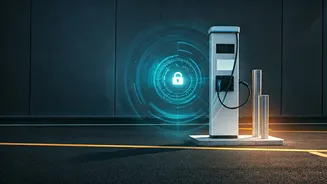
A key solution to this anxiety is the expansion of the public charging network, particularly DC fast chargers. [9] These high-power stations can provide a significant charge in a short time, often making it possible to top up during a quick break. [7, 15] This directly counters the fear of long, disruptive charging stops. [9] While India's charging infrastructure is still growing, with a notable concentration in metro cities, both government and private players are working to expand this network. [25, 26] A visible and reliable network of chargers, especially along major highways where anxiety peaks, provides the reassurance needed for long-distance travel, transforming the open road from a source of worry into a viable route. [25]
Instant Energy: The Battery Swapping Revolution
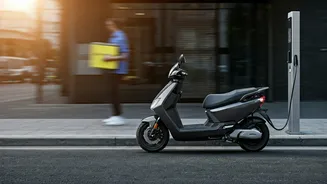
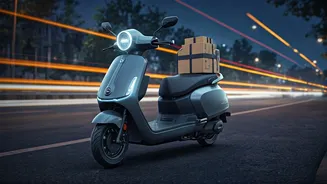
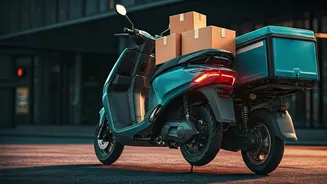
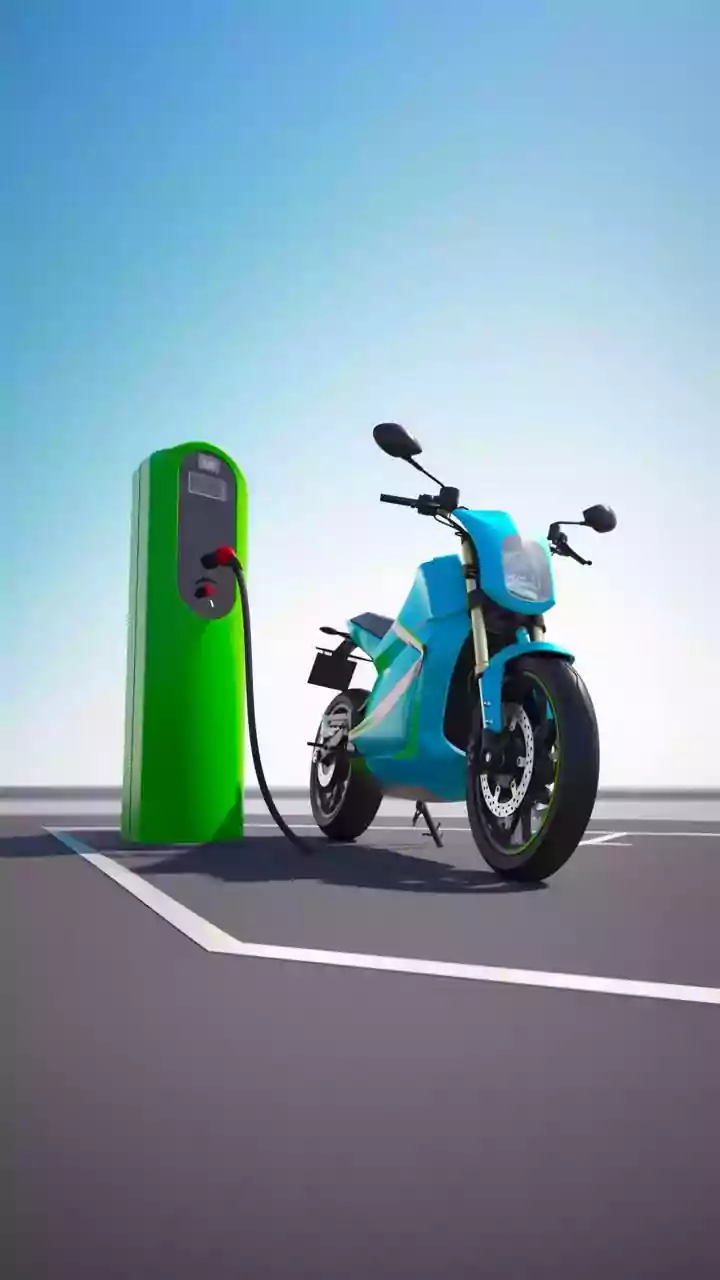
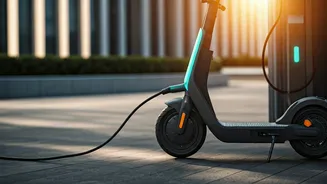
For the burgeoning electric two and three-wheeler market in India, battery swapping offers an even faster solution. [8] Companies like Battery Smart and SUN Mobility are building dense networks of swapping stations where a rider can replace a depleted battery with a fully charged one in as little as two minutes. [2, 5, 8] This model, often offered as a 'Battery-as-a-Service' (BaaS) subscription, not only eliminates charging time but also reduces the upfront cost of the vehicle, as the battery is rented rather than owned. [5] For commercial fleets and last-mile delivery services, this means less downtime and greater operational efficiency, making range anxiety practically irrelevant. [5]
Smarter Routes for Calmer Minds
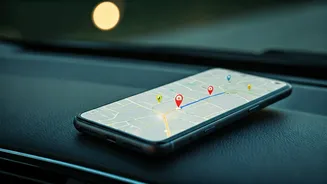
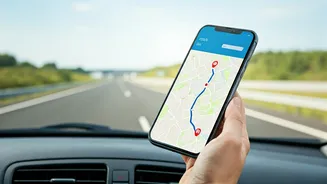
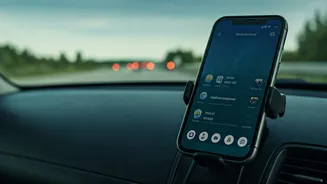
Modern technology offers a powerful software solution to range anxiety through smart navigation systems. [15] Many modern EVs come with built-in trip planners that automatically incorporate necessary charging stops into a route. [19] Apps like A Better Routeplanner (ABRP), Google Maps, and Apple Maps also provide features for EV drivers, helping them locate nearby chargers. [18, 19] Advanced systems can even show real-time charger availability, integrate the vehicle's current state of charge, and factor in external conditions to provide accurate guidance on when, where, and for how long to charge. [15, 20, 21] This takes the guesswork out of trip planning and gives drivers the confidence that they can complete their journey smoothly. [22]
The Ultimate Safety Net: Roadside Assistance
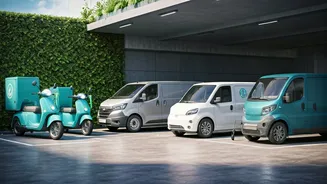
For the ultimate peace of mind, a growing number of companies in India now offer 24/7 Roadside Assistance (RSA) specifically for EVs. [28] This service provides a crucial safety net for the worst-case scenario: running out of charge far from a station. [29] Some RSA services include mobile charging, where a specially equipped van arrives to provide an emergency top-up, giving the driver enough power to reach the nearest charging facility. [10, 29] This on-demand service, offered by vehicle manufacturers like Tata Motors and independent startups, directly addresses the core fear of being stranded and ensures that help is just a phone call away. [28, 30]