

Understanding Lemongrass
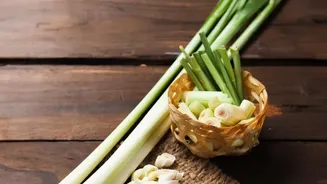
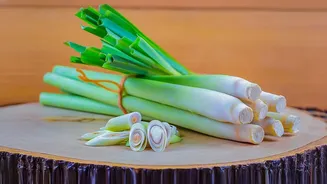
Native to tropical regions of Asia, lemongrass is a stalky grass that looks a bit like a woody spring onion. Its flavour is complex and delightful: citrusy without the sharp acidity of lemon, with notes of mint and ginger. This unique profile allows it to add
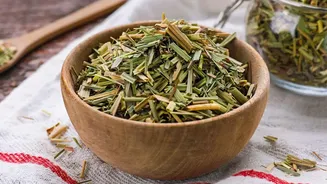
a bright, clean taste to dishes without overpowering other ingredients. It's a cornerstone of Southeast Asian cooking, particularly in Thai and Vietnamese cuisine, where it provides a fragrant base for everything from curries to marinades. When shopping, look for firm, fragrant stalks. Fresh lemongrass offers the most vibrant, minty flavour, while dried versions, which work well in long-simmered dishes, tend to have a woodier taste.
How to Prepare Lemongrass
Getting the most flavour out of lemongrass requires a little prep, but it's simple once you know how. For soups, stews, and broths, where you want to infuse the liquid, the goal is to release the aromatic oils without having to chew on tough pieces later. Start by trimming the very bottom of the stalk and peeling off any dry outer layers. Then, cut the stalk into 3- to 4-inch pieces. The most important step is to bruise these pieces by smacking them with the flat side of a chef's knife or a rolling pin. This action ruptures the cells and releases the fragrant oils. You can then toss these bruised stalks directly into your pot, remembering to fish them out before serving. For stir-fries or pastes, you'll want to use the tender inner core. Trim the top and bottom, peel away the tough outer layers, and then finely mince or slice the pale, tender part of the lower stalk.
The Ultimate Aromatic Vegetable Soup
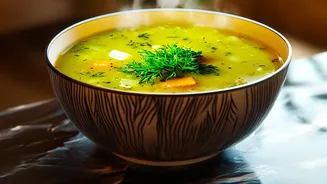
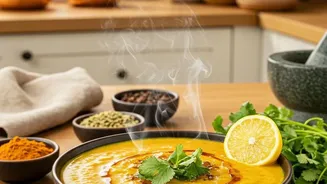
An aromatic vegetable soup is the perfect canvas for lemongrass. Instead of a rigid recipe, think of it as a flexible formula. The soul of the soup is its broth, built on a foundation of aromatics. Start by simmering bruised lemongrass stalks with other fragrant partners like sliced ginger and smashed garlic cloves in a vegetable or chicken broth. Coconut milk is a classic partner for lemongrass, its creaminess beautifully balancing the herb's tangy notes. Once your broth is fragrant, you can add your choice of vegetables. Hearty options like carrots, bell peppers, and mushrooms can be added early on, while delicate greens like bok choy or spinach should be stirred in at the end. For a more substantial meal, add protein like tofu or noodles. Finish the soup with a squeeze of fresh lime juice and a scattering of fresh herbs like cilantro to brighten everything up.
Beyond the Soup Bowl
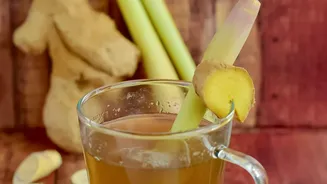
While soup is a fantastic start, the culinary journey with lemongrass doesn't end there. Its unique flavour profile makes it incredibly versatile. Finely minced lemongrass can be blended into marinades for chicken, pork, or shrimp, often combined with fish sauce, garlic, and sugar in Vietnamese-style preparations. It can be used to create compound butters to melt over grilled fish or steak. Lemongrass also shines in beverages and desserts. Steep stalks in hot water for a refreshing and soothing herbal tea, which can be enjoyed hot or cold. You can also create a lemongrassstinfused simple syrup by simmering it with sugar and water. This fragrant syrup can then be used to sweeten iced tea, lemonade, cocktails, or even drizzled over fruit or ice cream for a sophisticated dessert.