




The Surprising Science of Second-Day Hair
It might sound counterintuitive, but hair that hasn't been washed for a day or two is often the perfect canvas for intricate styling. Freshly washed and conditioned hair can be silky and slippery, causing strands to escape from updos and braids. After
about 24 hours, however, the scalp’s natural oils, known as sebum, begin to distribute through the hair. This adds a subtle amount of weight and texture, giving the hair what stylists call 'grip'. This natural hold helps strands cling together, making it far easier to create and maintain a complex style like a fishtail braid without it immediately falling apart. Your hair settles, moves more naturally, and loses the overly 'fluffy' look it can have right after a blow-dry.
Why Fishtails Thrive on Texture
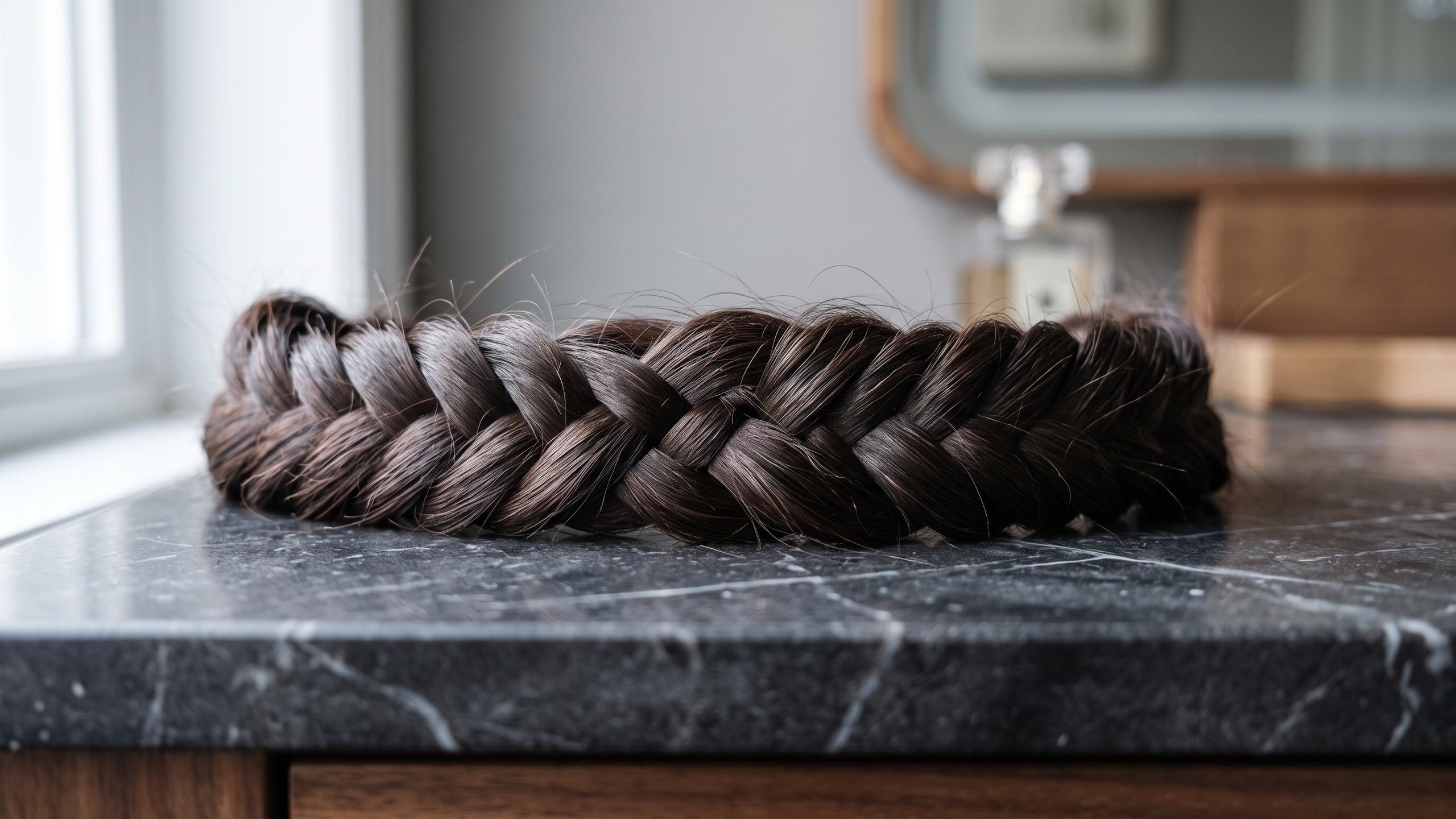
A fishtail braid, with its intricate, herringbone-like pattern, is different from a standard three-strand plait. It relies on weaving very small sections of hair back and forth. For the pattern to look defined and neat, each small section needs to stay in place as you cross it over. On slippery, clean hair, these tiny strands can easily loosen, leading to a braid that looks messy before you’ve even tied it off. The natural texture of second-day hair provides the friction needed to hold these small pieces securely, resulting in a tighter, more defined, and longer-lasting braid. It gives the finished style more dimension and fullness, turning a simple braid into a statement look.
Your Step-by-Step Fishtail Braid Guide
Ready to try it? This simplified two-strand technique is surprisingly easy to master.1. Prep and Divide: Gently brush your hair to remove any tangles. Divide your hair into two large, even sections. For a classic look, you can do this at the nape of your neck, or pull it all to one side for a side-swept braid.2. Start Weaving: Take a small, thin strand of hair—about a quarter to a half-inch wide—from the outer edge of the left section. Cross it over the top of the left section and tuck it underneath the right section. Essentially, you're adding it to the inside of the right section.3. Repeat on the Other Side: Now, do the exact same thing on the other side. Take a small, thin strand from the outer edge of the right section, cross it over the top, and add it to the inside of the left section.4. Continue Down: Keep repeating this crisscross pattern, alternating sides. Try to keep the strands you take of a consistent size for a uniform look. The smaller the strands, the more intricate and 'fish-like' the braid will appear.5. Secure and Finish: Once you reach the end, secure the braid with a hair tie. You can leave it sleek and tight, or gently pull on the edges of the braid to 'pancake' it, creating a fuller, more romantic and voluminous look.
Tips for a Flawless, Neat Finish
Even with the grip of second-day hair, a few flyaways are normal, especially if you have layers. For an ultra-neat look, you can apply a small amount of styling gel or pomade to your hands before you start braiding to keep sections smooth. Maintaining consistent, gentle tension as you braid is key to preventing loose spots or bubbles from forming. If you notice a section becoming loose, simply tighten your grip and adjust before continuing. When you're done, a light mist of hairspray can help lock everything in place for the entire day.
No Second-Day Hair? Fake It!
If you’re starting with freshly washed hair but still want that perfect fishtail, you can easily replicate the texture. The most effective tool is a good dry shampoo or a texturizing spray. Before you begin braiding, lightly spray the product from roots to ends and work it through with your fingers. This will absorb excess slipperiness and add instant grit, giving you that ideal second-day feel without the wait. These products not only help with grip but can also add a touch of volume, making your braid appear fuller and more substantial.