



Choose Fabrics Wisely
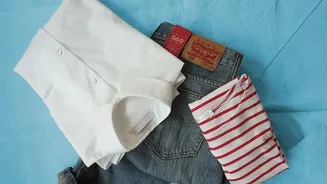
The secret to a light monsoon bag is not packing less, but packing smarter fabrics. Heavy materials like denim and pure cotton are your worst enemies; they absorb water, become heavy, and take days to dry. Instead, build your wardrobe around quick-drying,
breathable materials. Polyester blends, rayon, and crepe are excellent choices. They repel moisture, dry within hours, and don't cling uncomfortably in high humidity. Even cotton is viable if it's a blend with polyester or rayon, which makes it lighter and faster-drying while retaining comfort. Prioritise dark or earthy colours, as they are more forgiving with rain spots and mud splashes.
The Versatile Wardrobe Formula
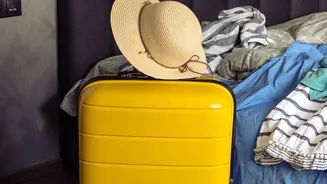
For a seven-day trip, you don't need seven distinct outfits. Adopt a capsule wardrobe approach by selecting pieces that can be mixed and matched. A good rule of thumb is the 3-to-1 ratio: pack three tops for every one bottom. For a week, this could look like four versatile tops (e.g., two quick-dry t-shirts, one nicer blouse, one kurta) and two bottoms (e.g., one pair of lightweight joggers or trousers and one pair of shorts or a skirt). Add one extra item like a simple dress or a co-ord set for variety. Every top should work with every bottom, creating multiple combinations from a few core items. This strategy prevents overpacking “just in case” items.
Layering is Your Best Friend
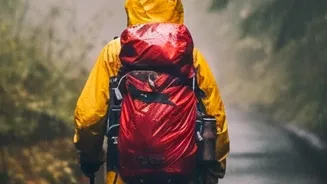
Monsoon weather can be unpredictable, with cool evenings following humid, rainy days. Layering is the most effective way to handle these temperature shifts without packing bulky items. A lightweight, water-resistant jacket or windcheater is non-negotiable. It protects you from rain and wind without taking up much space. Instead of a thick hoodie, opt for a light cardigan, a shrug, or even a versatile scarf or dupatta that can be styled in multiple ways. On travel days, wear your bulkiest items, such as your jacket and any heavier trousers or shoes, to free up precious weight and space in your bag.
Smart Packing Techniques
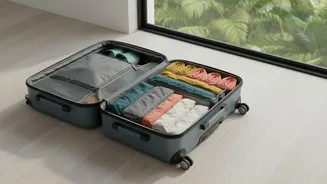
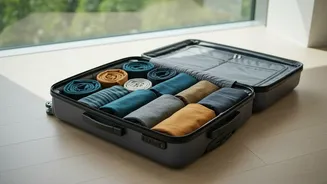
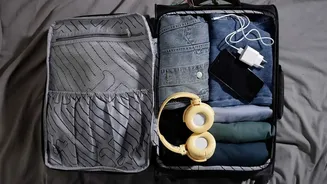
How you pack is as important as what you pack. Rolling your clothes instead of folding them is a proven space-saver. Tightly rolled garments can be packed more densely and are less prone to severe wrinkling. For even better organisation and compression, consider using packing cubes. These small pouches allow you to categorise your clothing (e.g., tops in one, bottoms in another) and compress them further, creating more room in your bag. They also make it easier to find what you need without unpacking everything. Place heavier items like your shoe bag and toiletries at the bottom of your suitcase near the wheels for better balance.
Footwear and Accessories
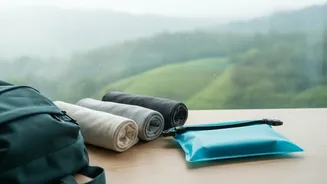
Shoes are often the heaviest and bulkiest items. For a week-long monsoon trip, you only need two pairs. The first should be a comfortable, water-resistant pair of walking shoes or sandals that you can wear for exploring. The second should be a pair of lightweight floaters or slippers suitable for relaxing indoors or on wet surfaces. Avoid packing leather or suede shoes, which get ruined by water. When it comes to toiletries, decant your liquids into smaller, travel-sized bottles. A compact, quick-dry towel is also a much better option than a heavy cotton one. Finally, a small, foldable umbrella is a must-have accessory.